|
Newsletter #147 for April 2026 |
|
|
|
|
 |
Tribal Leaders Urge Passage of Northeastern Arizona Water Rights Deal
|
|
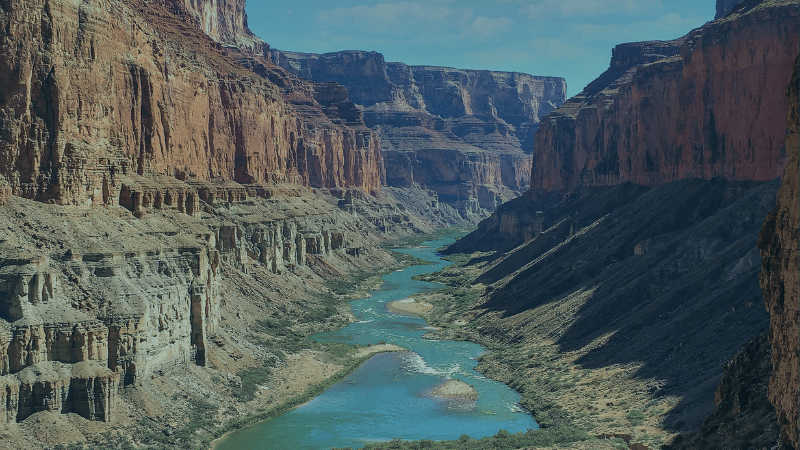
Arizona tribal leaders testified before the U.S. Senate Committee on Indian Affairs in support of legislation that would finalize long negotiated water rights for three tribes with land in northeastern Arizona. The Northeastern Arizona Indian Water Rights Settlement Act would resolve outstanding claims by the Navajo Nation, the Hopi Tribe, and the San Juan Southern Paiute Tribe, while authorizing roughly $5 billion in federal funding for drinking water infrastructure and delivery systems. Tribal leaders described the proposal as essential for securing reliable access to water and supporting long term community stability.
During the hearing, tribal officials emphasized that the settlement would do more than settle legal disputes. Hopi tribal leaders said it would protect their homeland, enable economic development, and ensure residents can meet basic needs. Supporters in Congress echoed those arguments and warned that delaying action could ultimately cost taxpayers more through continued litigation, while leaving tribal communities without reliable water access.
Federal officials largely backed the goals of the settlement but raised concerns about its overall cost. An Interior Department representative told lawmakers the administration supports the agreement in principle and wants to work with tribes and Congress to explore ways to achieve its objectives at a lower price. The measure also faces resistance from some Colorado River states because of fears it could set a precedent for transferring water from the Upper Basin to the Lower Basin.
Navajo Nation leaders pushed back on those concerns, arguing that the Nation’s unique geography straddling both basins makes the settlement a one-time case. They also noted that the agreement was crafted in coordination with federal agencies and fits within existing Colorado River management rules. The legislation must still be authorized by Congress before it can take effect.
Read More: Arizona tribal leaders testify in support of water settlement | KJZZ Phoenix |
|
|
|
|
 |
Register for our upcoming webinar! |
|
Lagoon Wastewater Systems: Practical Tools and Resources for Compliance
This webinar will provide an overview of common lagoon system challenges and best practices for improving compliance. It will include a review of publicly available resources for improving lagoon operations and demonstration of our search tools at WaterOperator.org to find additional free resources and training events.
This webinar series from WaterOperator.org covers topics relevant to wastewater operators, including funding, asset management, compliance, and water quality.
Certificates of attendance will be delivered upon request. Check with your certification body for acceptance criteria.
Recordings of our previous webinars:
|
| Register Now |
|
|
|
|
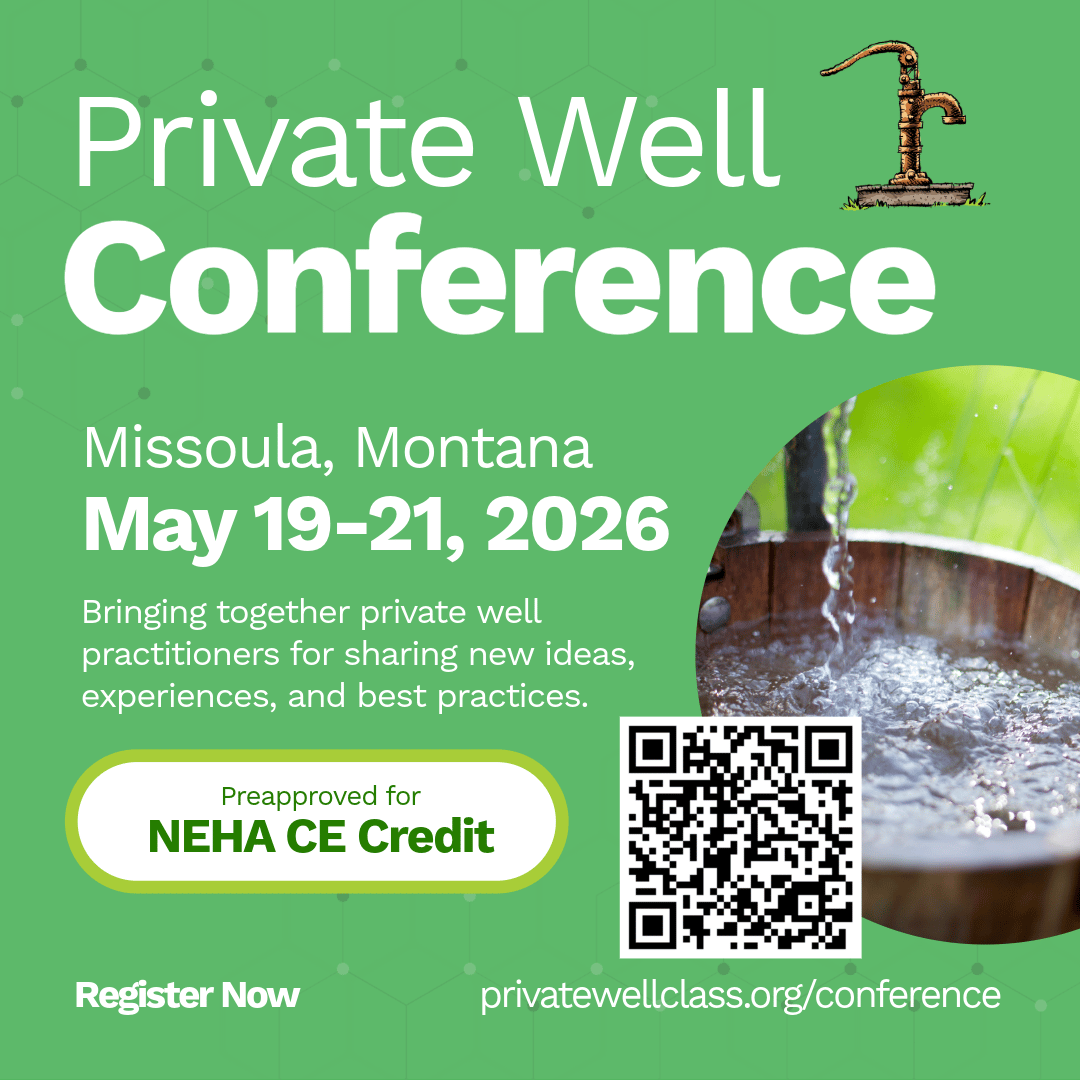 |
Join Us for the 2026 Private Well Conference! |
|
The 2026 Private Well Conference is the 6th national workshop hosted by our sister program, The Private Well Class, to bring together private well practitioners to share new ideas, experiences, and best practices to strengthen outreach, education, and research programs that support private well owners around the country.
-
Who: This conference is intended for private well professionals, including health department staff, lab personnel, cooperative extension educators, well drillers, environmental health professionals, researchers, technical assistance providers, and other private well stakeholders. Continuing education credit for EHP’s through NEHA and the Illinois LEHP program will be available for attending the conference.
- What: The Private Well Conference is a 2.5-day in-person, single track workshop with over 25 30-minute presentations, a drillers panel discussion, lightning talks, and most importantly, an opportunity to network with like-minded professionals.
- When: Tuesday, May 19 - Thursday, May 21, 2026.
- Where: Missoula, MT at the Holiday Inn Missoula Downtown by IHG. There is a room block at the federal rate, that closes April 20, 2026.
- How: Registration is free but required
|
| Learn More |
|
|
|
|
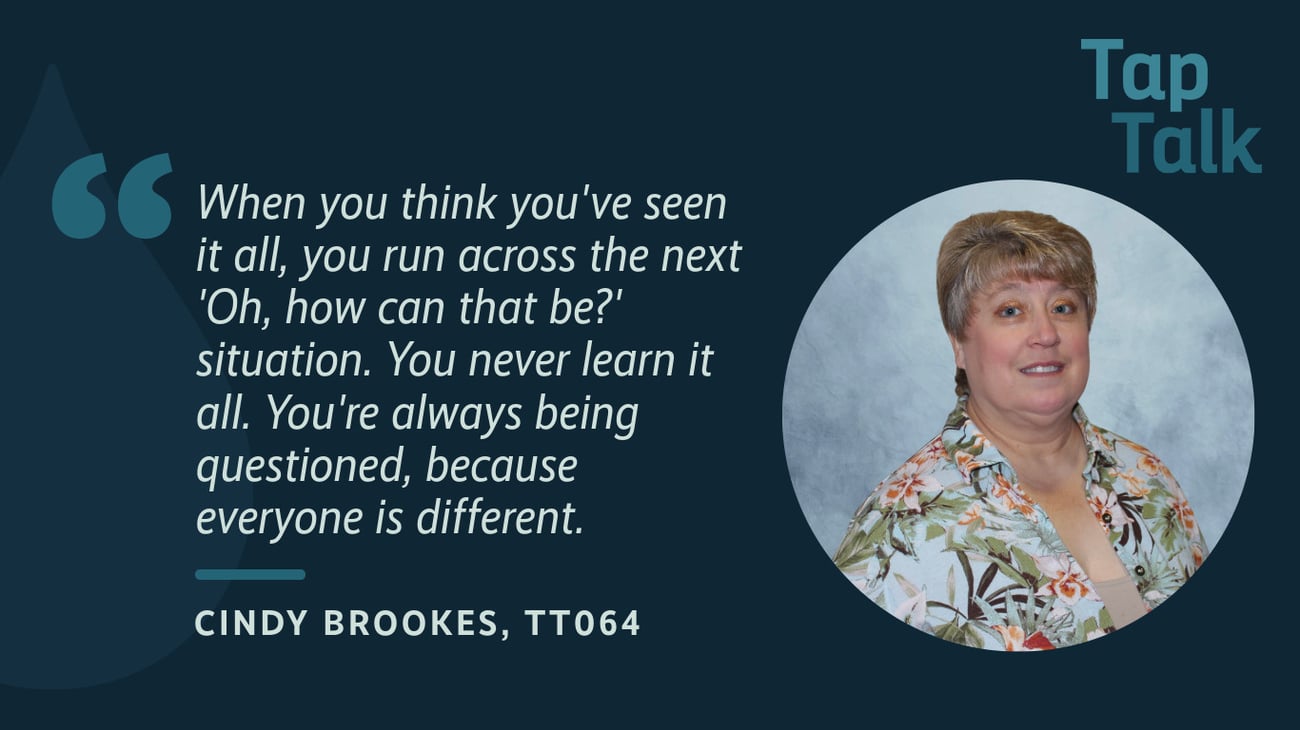 |
Tap Talk Episode 64
Lessons from RCAP’s Private Well Technical Assistance Network
In this episode, we bring you another private well-focused episode. Our guest is Cindy Brookes, a seasoned technical assistance provider at the Great Lakes Community Action Partnership, a division of RCAP. In this role, Cindy has assessed over 300 private wells and counseled well owners on how to proceed with their well challenges, and made significant use of the Private Well and Spring Assessment Tool that our team developed in conjunction with RCAP. Cindy tells Jennifer and Steve about the ins and outs of the job, as well as the importance of these assessments in the quest to more widely educate well owners.
|
|
|
|
|
|
|
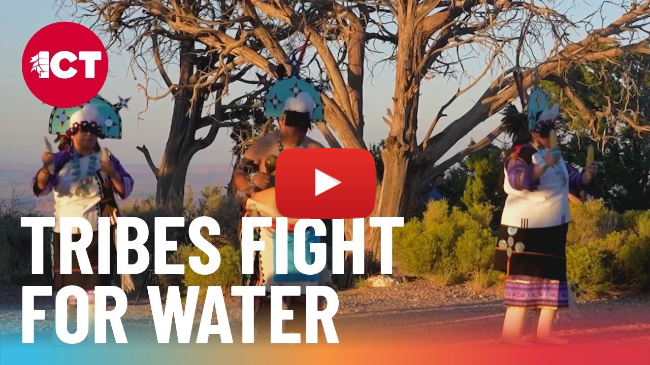
Tribal Nations Demand Seat at Table in Colorado River Water Debate
|
 |
|
"Tribal nations are calling for a stronger voice in ongoing negotiations over the future of the Colorado River, saying they’ve long been excluded from key water decisions. Leaders from the Colorado River Indian Tribes organization and other tribes want new operating guidelines to better reflect their water rights and needs as federal officials, including the Bureau of Reclamation, work toward an agreement."
Find more videos like this on Indian Country Today's YouTube channel.
|
|
|
|
|
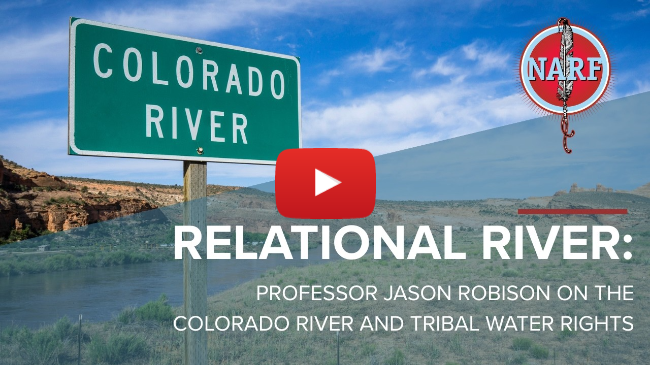
Relational River: Professor Jason Robison on the Colorado River and Tribal Water Rights
|
 |
|
"In this interview, I have the privilege of speaking with Professor Jason Robison of the University of Wyoming College of Law about his expertise with the Colorado River and tribal water management within the Colorado River Basin. We discuss a couple of his written works including the “Relational River,” which takes the viewpoint of water not as a commodity but rather, a shared community between sovereigns, and “Beyond Binary Co-Sovereignty: Native Nations & Water Compacts.” The latter focuses on challenging the traditional legal framework that recognizes Federal and State power while often excluding Native nations."
Find more videos like this on Native American Rights Fund's YouTube channel. |
|
|
|
|
Featured Events for Tribal Water Systems |
|
|
|
Navajo Nation | Auditing for Action: Understanding Water Loss using the AWWA Free Water Audit Software 6.1
April 16, 2026 | Gallup, NM
Environmental Finance Center Network
This free session focuses not just on completing the water audit, but “Auditing for Action” to ensure that you are getting the most out of your efforts and optimize your outcomes when completing a water loss audit. After all, just doing an audit won’t save water or money – taking action based on your results is the key to effective water loss control. We will cover the latest version of the FWAS (6.1) with a focus on developing solid data for all the inputs, interpreting audit results correctly and determining what to do next. |
|
|
|
Water Sampling, Contaminants & Communication
April 22, 2026 | Pocatello, ID
Rural Community Assistance Corporation
This free one-day training will be divided into 3 parts:
Water Quality Sampling
PFAS and Other Contaminants
Utility Communication – It Matters!
|
|
|
|
|
|
|
|
|
|
Recent Blog Posts at WaterOperator.org |
|
|
 |
|
Essential Safety Resources for Wastewater Operators
Read Here » |
|
|
 |
|
Preparing for LCRI Compliance: Key Insights from NRWA
Read Here »
|
|
 |
|
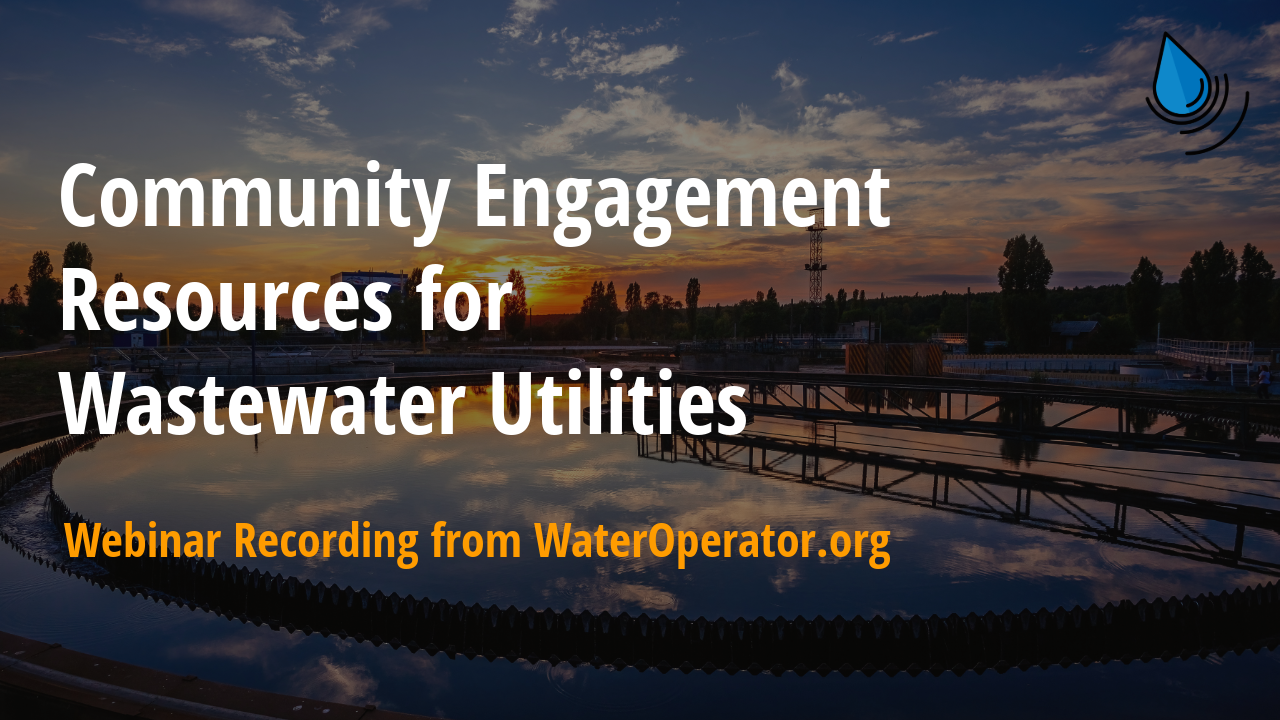
Community Engagement Resources for Wastewater Utilities
Read Here »
|
|
|
|
|
|
Groundwater & Well Care for Public Water Systems is a free online course from WaterOperator.org. Certificates are provided and the course is currently pre-approved for 2 hours continuing education credit in a number of states.
Click here to learn more. |
|
|
|
|
|
WaterOperator.org is a free service, grant-funded to support small community water and wastewater operators with comprehensive resources and information in one easy-to-use place. We also serve the 800+ training, primacy, and technical service organizations, by helping operators get to their information. We aren't selling or advertising anything. Call us at 1-866-522-2681 for assistance. |
|
|
|
|
|
Visit our other websites: |
|
|
|
|
|
|
|
View archive of past issues. | Click here to unsubscribe | Sent to: _t.e.s.t_@example.com
Illinois State Water Survey, 2204 Griffith Drive, Champaign, IL 61820, United States |
|
|


