|
Newsletter #130 for October 2026 |
|
|
|
|
Save the Date for the 2027 Private Well Conference:
May 25-27, 2027 in Asheville, North Carolina
|
 |
|
|
|
We are very pleased to announce the dates and location of the upcoming 2027 Private Well Conference: May 25-27 in Asheville, North Carolina! Whether you have been able to join us at past conferences or this may be your first time to attend, please save the date and consider enjoying all Asheville has to offer with us!
The Private Well Conference is specifically designed for well practitioners, to provide information and insights that can be taken home and used locally with the well owners they serve. We aim to support the thousands of professionals who work with well owners every day, including health department staff, lab personnel, cooperative extension educators, well drillers, environmental health professionals, researchers, and other private well stakeholders.
Over the next three to four weeks, we will provide additional updates on the conference hotel, the Call for Abstracts, attendee registration, and more. Stay tuned to this newsletter, specialized conference email blasts, our social media accounts, and our website for this information.
In the meantime, if you want to learn more about the conference and explore what past events had to offer, head to the Private Well Conference hub on our website, where you can review the agendas and session recordings from each of our previous six conferences.
We look forward to seeing you in Asheville! |
| Bookmark the Conference webpage » |
|
|
|
Steve Wilson to Feature in NEHA Webinars on Protecting Wells
|
 |
|
The National Environmental Health Association (NEHA) is hosting a two-part webinar series this month, designed to help rural communities strengthen private well water safety, improve emergency preparedness, and protect household drinking water.
On October 6, the session "Well Protected: Preventing Private Well Contamination Before It Starts" will explore common private well water contaminants and their health impacts, strategies for preventing contamination, and unique challenges rural communities face in maintaining safe private water supplies.
On October 27, the session "Well Prepared: Protecting Your Well Water When Disaster Strikes" will focus on preparing for and responding to extreme weather and other emergency events that can lead to private well system failures. Participants will learn practical strategies for protecting private wells before an event and safely restoring drinking water supplies afterward.
Our program director, Steve Wilson, will participate in both webinars! For the Well Protected session, he will support environmental health consultant Dr. Matthew Weinburke during the Q&A, and he will lead the Well Prepared session with support from Dr. Weinburke. Don't miss these sessions!
|
| Register for the October 6th webinar » |
|
|
| Register for the October 27th webinar » |
|
|
|
Find the US EPA's SepticSmart Activity Book at PrivateWellClass.Org |
|
|
|
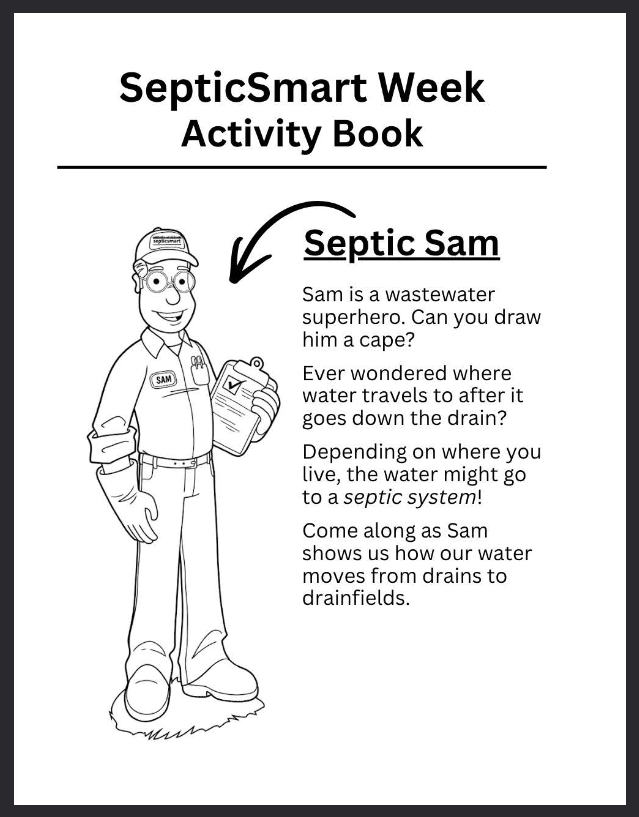
New for SepticSmart Week 2026, the US EPA released a SepticSmart Week activity book for children. The purpose of the activity book is to get kids interested in and educated on taking care of septic systems. The activity book features coloring pages, puzzles, a word search, and the SepticSmart Quick Tips.
The activity book is currently hosted on PrivateWellClass.org, through our partnership with the US EPA and RCAP. Links to the book can be found on the Private Well Class homepage as well as on the homepage of our sister site DecentralizedWastewater.org . We encourage you to download the book and use it for outreach to families and children!
|
| Download the activity book » |
|
|
|
|
|
|
|
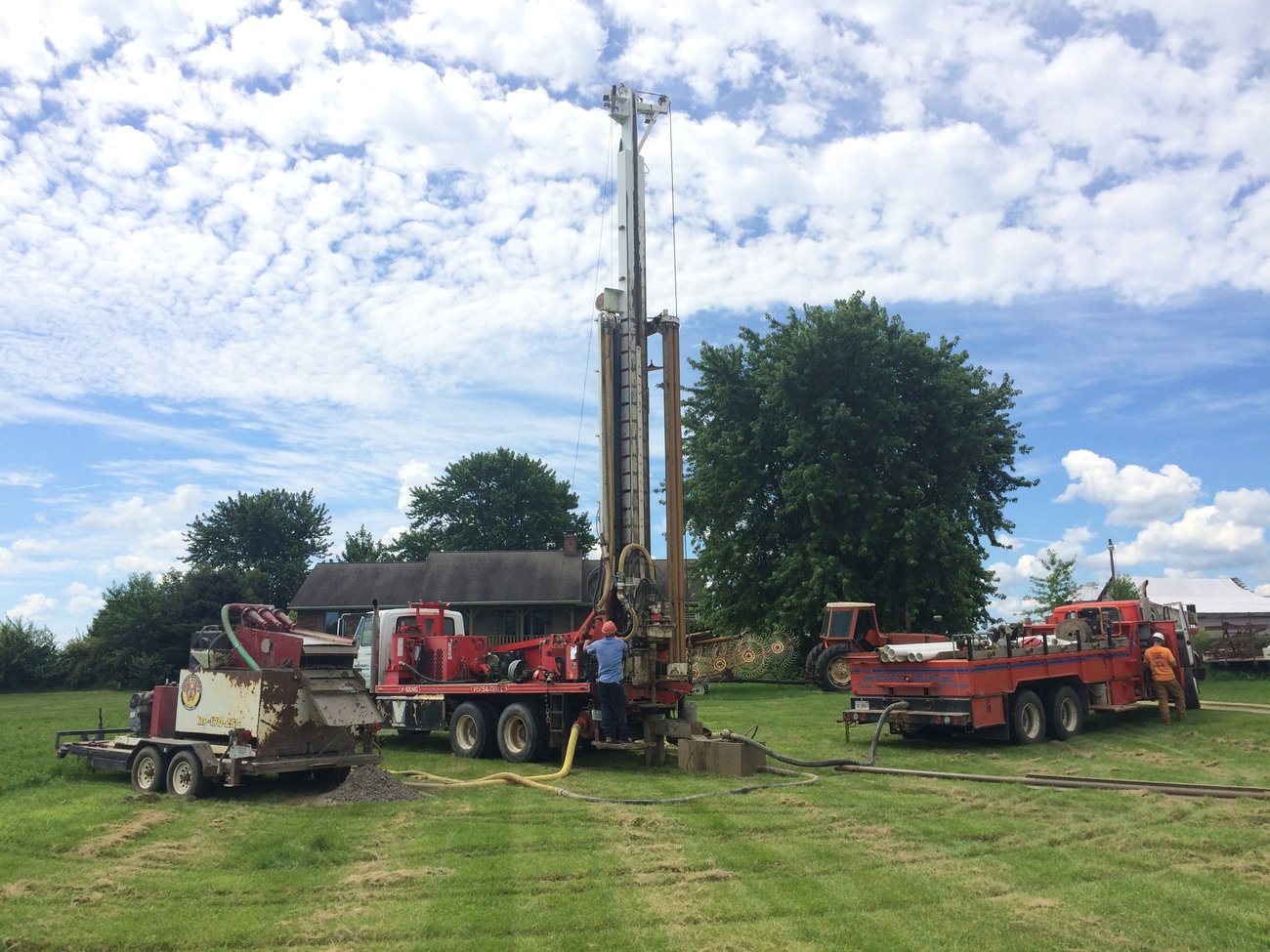
What key factors does an environmental health professional monitor when a water well is drilled to ensure safe construction?
Environmental health professionals (EHPs) are an essential part of the process of getting a new water well properly drilled. Read this article to learn what an EHP does during well drilling to make sure aquifers are not damaged and that wells last a long time.
For additional articles and resources for private well owners, explore our Private Well Help Center.
|
|
|
|
|
Upcoming Webinars & Recent Recordings |
|
|
|
What Real Estate Professionals Need to Know about Homes with Well Water
October 13, 2026 | 1 PM CT
Hosted by PrivateWellClass.org
In this free webinar training, learn about what real estate agents should know when selling homes with private wells, including well water quality, how wells work, and other basic well information.
Register »
We would love your support in distributing this information. Please feel free to share this link. |
|
|
|
Onsite Wastewater Systems:
Uses, Basics, and Advanced Systems
Recorded on September 24, 2026
This webinar reviewed onsite wastewater system management, types of onsite systems and their specific uses, how these systems work, and introduced a new Private Well Class lesson on onsite systems.
Watch Recording » |
|
|
|
Potential Impacts of Drought and Flooding on Private Wells
Recorded on September 23, 2026
This webinar taught ways to serve and support well owners, public health entities, and extension services that encounter impacts from drought and flooding events.
Watch Recording » |
|
|
|
Well Care 101 –
What You Need to Know to Protect Your Family
Recorded on September 15, 2026
In this free webinar training, attendees will learn about how to protect their health by learning the basics of well care. It will cover subjects such as how to determine well water is safe for drinking, simple best practices for well maintenance, and solutions to the most common well problems.
Watch Recording »
|
|
|
|
Is My Water Safe to Drink? – Common Questions about Private Wells
Recorded on August 12, 2026
This webinar went over the answers to common questions about private water wells, including how to get well water tested, what to do to take care of a well, and how to know if a well is susceptible to contamination.
Watch Recording »
|
|
|
|
|
|
Delaware to test and treat toxic PFAS in private wells free of charge
WHYY News
A new state initiative in Delaware is making it possible for residents to have their wells tested for PFAS chemicals, free of charge. Federal grants and funding from contamination settlements with chemical manufacturers such as DuPont, Chemours, and Corteva make up the initiative's funds. Led by the state's Departments of Natural Resources & Environmental Control and Health & Social Services, the initiative provides for free testing for 40 different types of PFAS chemicals; while residents may also qualify for additional to funding to install filtration systems.
|
| Read here » |
|
|
|
|
Partner Events & Workshops |
|
|
|
Virginia 2026 Drinking Water Clinics
October 7, 14, 28 | Various locations
Hosted by the Virginia Household Water Quality Program & Virginia Cooperative Extension
The Virginia Household Water Quality Program drinking water clinics typically run from February to November each year. Covering about 70 counties, these clinics provide homeowners a chance to have their well water testing at a reduced rate.
Find the full list of dates, locations, and registration information here. |
|
|
|
Texas Well Owner Network: Water screening for Bee County
October 7-8 | 8:30 am CT | Beeville, TX
Hosted by Texas Well Owner Network
At this well water screening event, residents can drop off water samples on October 7 and return on October 8 for a follow-up educational program. This program will cover water well basics, water well 101, septic systems, water quality, and the results of their samples. Each sample will cost a $15 fee.
Register here » |
|
|
|
Safe Drinking Water Clinic
October 13, 14, 26 | Various locations
Hosted by Penn State Extension
This series of in-person clinics are designed to empower private well and spring owners with the knowledge and tools to protect their water source, their property, and their health. Participants will have the opportunity to test their home’s drinking water and gain practical insights into protecting both their family and the shared groundwater resources beneath their feet.
The four clinics will take place in Washington, Emporium, Greensburg, and Butler.
Register here » |
|
|
|
Iowa Private Well Stewardship Program
October 13 | 6 pm CT | Washington, IA
Hosted by Iowa State University Extension
Iowa's Allamakee and Winneshiek County Extension office will host a free, one-hour learning session for private well owners. The program will help attendees understand their well's water quality and connect them with resources to manage their well. The session will cover how to test a well and who can help, common contaminants and factors that affect well water quality.
More information »
|
|
|
|
|
Tap Talk Season 8 Is Here! |
 |
|
|
|
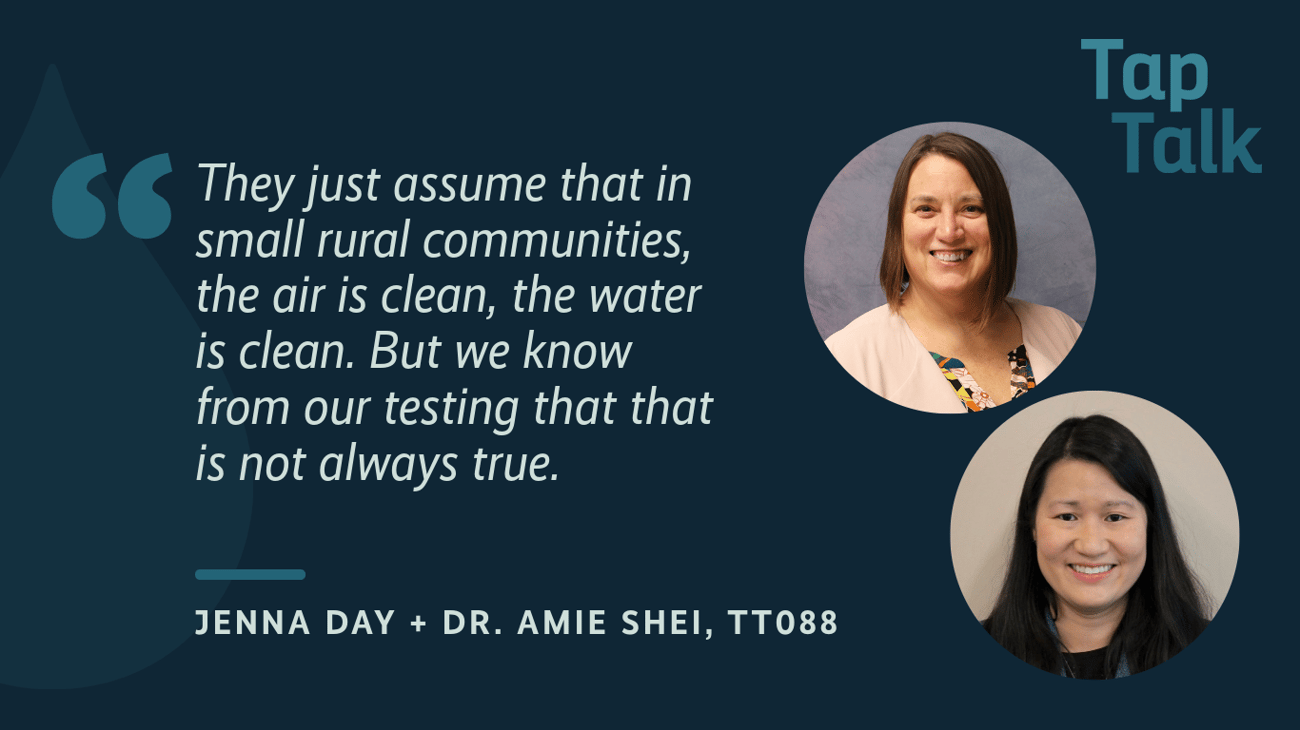
Season 8 of Tap Talk: The Drinking Water in Rural America Podcast debuted last month! The first three episodes focus heavily on workforce development in the municipal water and wastewater sector. We think these are wonderful conversations to listen to no matter where in the greater water industry you work, but if you prefer well-focused content... You're in luck! This morning we released our first well-centric episode of Season 8: "One in Three Wells: The Data Behind Massachusetts’ Private Well Push."
This episode welcomes back Dr. Amie Shei of The Health Foundation of Central Massachusetts, joined by Jenna Day of RCAP Solutions, to share what’s happened since we first discussed their private well project in TT041. They explain how sampling hundreds of wells grew into a statewide coalition, a funded MassDEP study, and a bill that would require private well testing when a property is sold.
Listen to Tap Talk at our website, linked below, or find the show on audio platforms such as Spotify, Apple Podcasts, iHeartRadio, Amazon Music, and Audible!
|
| Listen to TT088 at our website » |
|
|
|
|
|
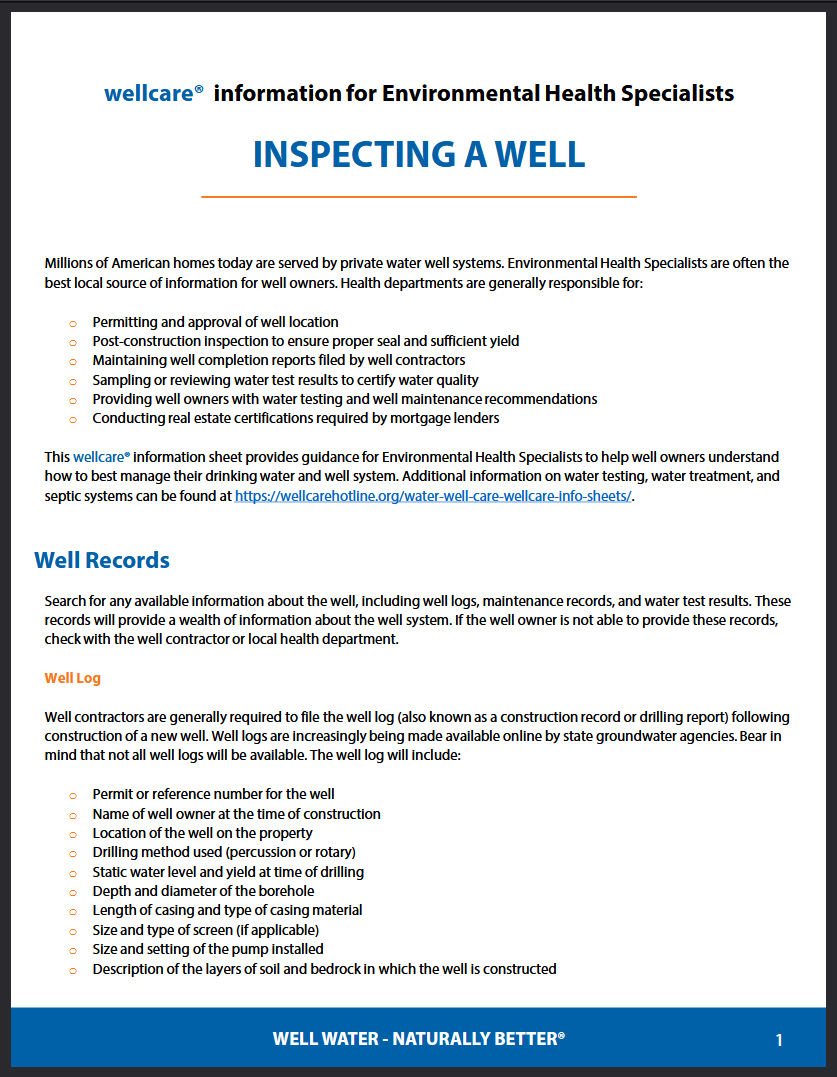
wellcare® Information for Environmental Health Specialists: Inspecting a Well
Water Systems Council
This information sheet aims to provide guidance for environmental health specialists to help well owners understand how to best manage their drinking water and well system. It covers the key well records to look for before an inspection as well as the most crucial components of the inspection process.
|
| See the document » |
|
|
|
|
Featured Video:
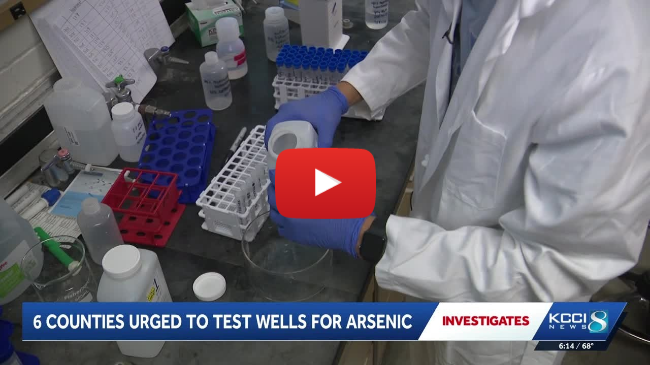
Why researchers say 6 Iowa counties need to test private wells for arsenic |
|
|
 |
|
This video, from KCCI News in Des Moines, is from the news station's investigative series and covers why Iowa water quality researchers are saying that well owners in six specific Iowa counties need to test their private wells for arsenic. Benton, Cedar, Floyd, Jones, Mitchell, and Plymouth Counties are the six counties in question.
|
| Watch the video » |
|
|
|
|
|
PrivateWellClass.org is a free, grant-funded service to support private well owners and the professionals that work with these wells. The program seeks to raise awareness of private well issues and help well owners understand their responsibilities to be a good steward of their well and water source. The Private Well Class, developed at the Illinois State Water Survey at the University of Illinois Urbana-Champaign, is a collaboration with the Rural Community Assistance Partnership with funding from the U. S. Environmental Protection Agency. Call us at 1-866-945-0699 for assistance. |
|
|
|
|
|
Visit our other websites: |
|
|
|
|
|
|
|
Click here to unsubscribe | Sent to: _t.e.s.t_@example.com
Illinois State Water Survey, 2204 Griffith Drive, Champaign, IL 61820, United States |
|
|