|
Newsletter #444 - October 6, 2026 |
|
|
|
|
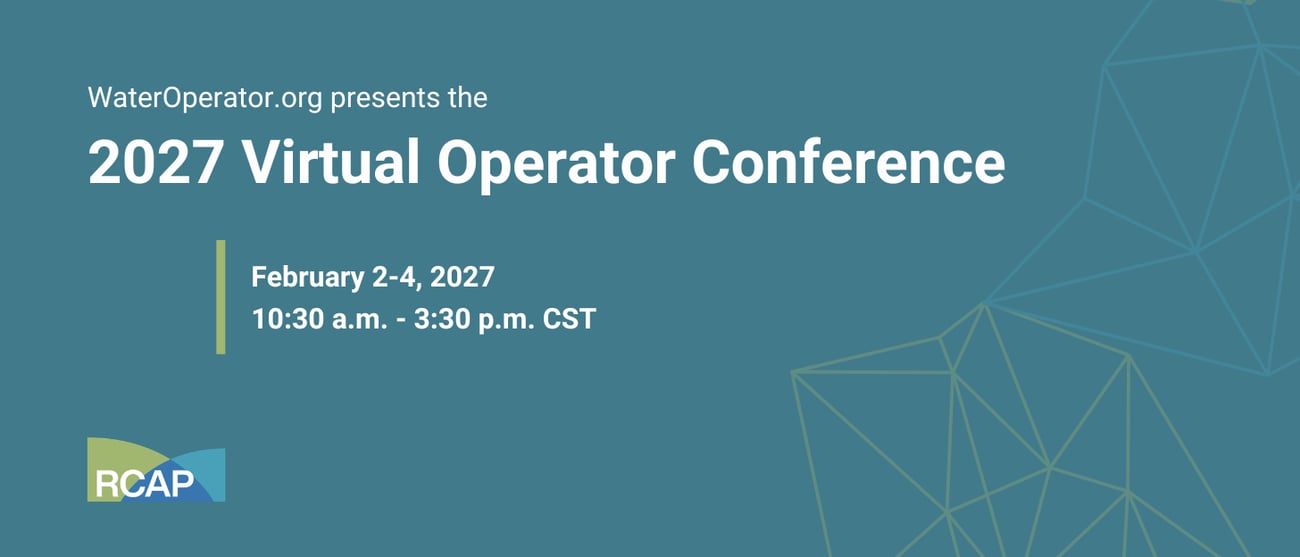 |
Now Open for Registration |
|
Our 4th annual Virtual Operator Conference on drinking water topics returns February 2-4, 2027. This is a free, 3-day online event with up to 12 contact hours of continuing education credit available, depending on your certification authority.
We have just begun the process of CEU pre-approval for the 2027 agenda, but here's what our 2026 event looked like:
-
Pre-approved in: Alaska, Arkansas, Colorado, Florida, Illinois, Indiana, Kentucky, Louisiana, Maine, Massachusetts, Michigan, Minnesota, Mississippi, Missouri, Montana, New Hampshire, New York, Ohio, Oklahoma, Oregon, Rhode Island, South Dakota, Tennessee, Texas, Utah, Vermont, Washington, Wisconsin, Wyoming
-
Acceptable in: Alabama, Arizona, California, Idaho, North Carolina, North Dakota, South Carolina, Virginia
|
|
|
|
|
 |
USDA Invests $40 Million in Rural Water and Wastewater Technical Assistance |
|
The U.S. Department of Agriculture Rural Development has announced $40 million in funding to support technical assistance and training for rural water and wastewater systems nationwide through its Water and Waste Disposal Technical Assistance and Training Grants program. The funding is designed to help rural communities strengthen utility operations, improve system management, train operators and board members, and prepare applications for critical infrastructure funding. According to Rural Utilities Service Administrator Karl Elmshaeuser, the investment will help ensure rural families continue to receive efficient, reliable water and waste disposal services while supporting broader efforts to strengthen rural economies.
Several national organizations will receive funding to deliver hands-on assistance to small and rural utilities. The National Rural Water Association (NRWA) received $22 million to provide support focused on operations, maintenance, and energy efficiency, while the Rural Community Assistance Partnership (RCAP) was awarded $11 million to work directly with rural communities, Colonias, and Tribal communities on training, asset management, and sustainable utility practices. In addition, the National Onsite Wastewater Recycling Association (NOWRA), a first-time recipient of USDA Rural Development funding, will receive $2.3 million to help communities address decentralized wastewater and septic system challenges where centralized sewer infrastructure is not practical or affordable.
The announcement also includes an additional $5.5 million for projects led by organizations headquartered in eight states, with support ultimately reaching small and remote water and wastewater systems across the nation. For rural utilities, these grants provide valuable access to technical expertise that can improve compliance, operational resilience, long-term planning, and infrastructure sustainability.
The current application window for the program closes December 31, 2026, offering another opportunity for eligible organizations to secure resources that strengthen local water and wastewater services.
For more information on USDA Rural Development investments in rural America, visit the Rural Data Gateway. For more information about USDA Rural Development programs, visit www.rd.usda.gov.
|
|
|
|
|
|
|
Featured Video |
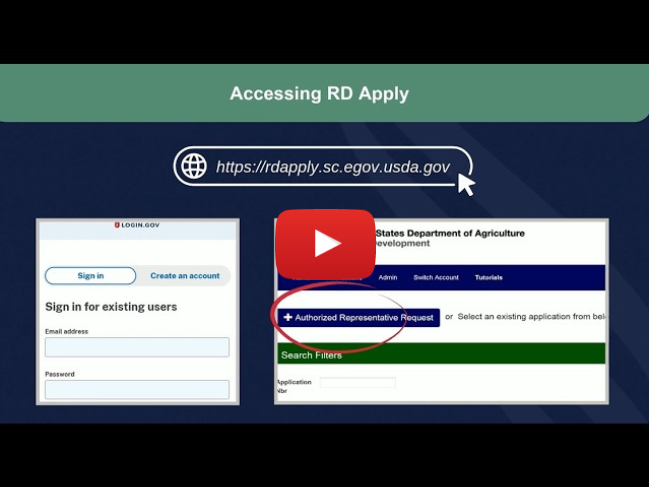 |
USDA Rural Development: RD Apply Overview
USDA Rural Development
"This video provides an overview of the application intake system for the USDA Rural Development Water and Environmental Programs.
This overview walks customers through the stages of gaining access to RD Apply, including the eAuthentication and Login.gov process.
It also share tips and best practices for completing the application process and monitoring your application until completion!
USDA is an equal opportunity provider, employer, and lender."
|
|
|
|
|
 |
Tap Talk |
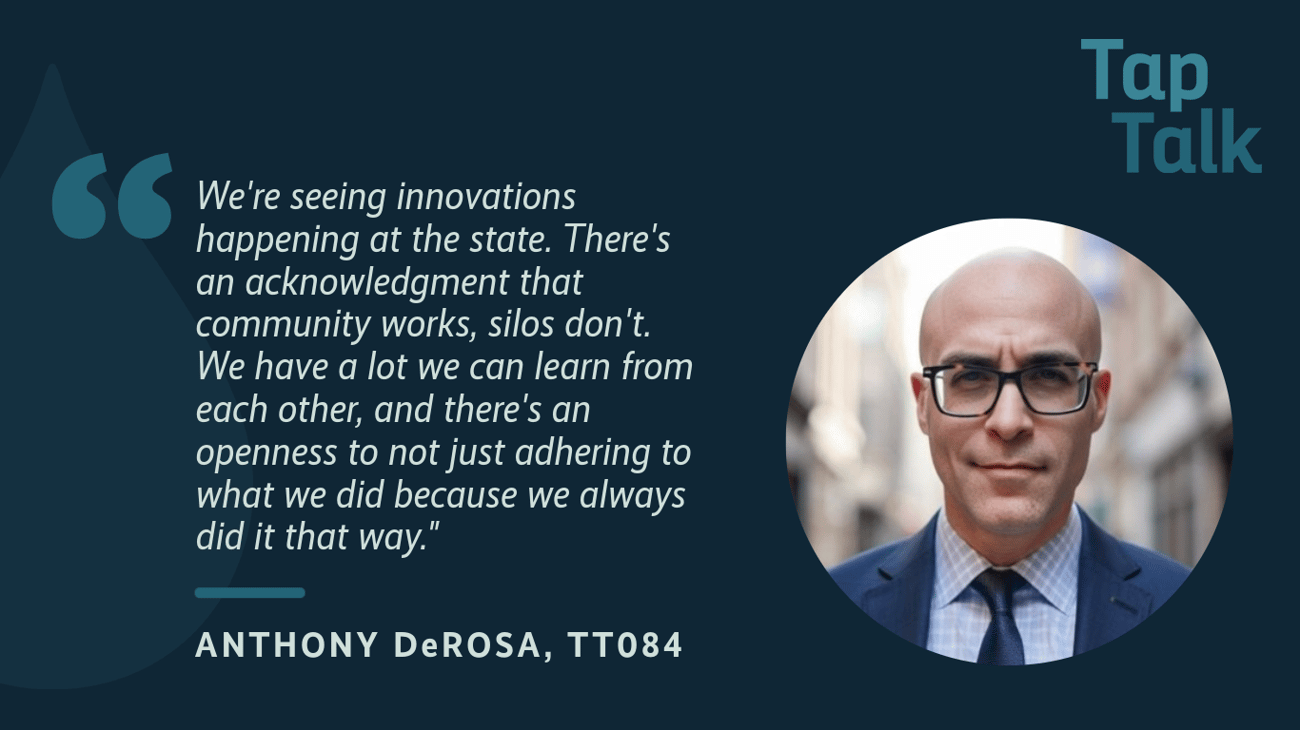
Leadership in Drinking Water Regulation: Adapting to Modern Needs (Part 2)
Today, we finish up Season 7 of Tap Talk with the final part of our conversation with Anthony DeRosa, the executive director of the Association of State Drinking Water Administrators (ASDWA). In this half of the conversation, Anthony discusses the changing approach of states to drinking water compliance and the challenges they face, the shifting culture of innovation and knowledge-sharing across the water sector, and some of the distinct difficulties that small systems deal with.
|
|
|
|
|
|
|
Featured Video |
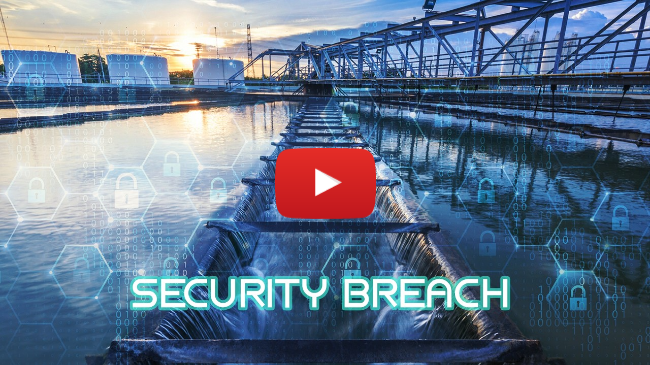 |
Water Treatment Hacks Reflect Larger OT Threats
IEN Magazine
"Although the need to defend the networks, data and endpoints of critical infrastructure dates back to the first time a PLC was connected to an HMI, the realization of how damaging such a compromise could be was probably Stuxnet.
And while we’ve progressed enough to typically spot an unknown or malicious player armed with a suspicious USB, the threat landscape has expanded, and the bad actors have evolved.
Combining those factors with a lack of funds, training, expertise and resources has opened the doors to ransomware groups and state-sponsored hackers to infiltrate, shutdown or compromise infrastructure operations across the globe, and more recently, across the United States.
These growing threats were recently on display when over 100 water treatment facilities across 12 states experienced temporary shutdowns. Here to discuss the rise in these attacks, and what they mean in the broader scope of industrial cybersecurity is Jen Sovada, General Manager for Public Sector initiatives at Claroty."
Topics Discussed:
-
The blocking and tackling of OT security that has become vital in defending critical assets on any plant floor.
-
How Watershed 250 is working to help utilities protect their OT infrastructure.
-
How the ongoing IT/OT divide is hurting new cybersecurity initiatives.
-
The proper implementation of strategies like micro-segmentation and artificial intelligence tools.
-
How Jen can still sleep at night despite all the challenges facing industrial cybersecurity.
|
|
|
|
|
Water Equation Scholarships Close November 6 |
|
The Water Equation Scholarships program supports students and operators at the beginning of their work in water. Scholarships are available through AWWA, corporate partners, and the Water Operator Continuing Education Fund.
The Water Operator Continuing Education Fund supports non-traditional education programs, including trade schools, certification programs, and community college coursework for water operators. To finalize your application, you will need to enter the code WOE.
The Water Operator Continuing Education Fund does not fund scholarships for undergraduate, graduate, or PhD programs. To apply for academic scholarships, visit the Water Equation Scholarships webpage. Water Equation offers 20+ merit-based science, technology, engineering, and math academic scholarships for higher degrees.
For questions about specific program eligibility, contact Margo Hatton (mhatton@awwa.org), CFRE – Senior Manager Development and Donor Relations.
Learn about more continuing education opportunities and section-specific scholarships available through your local AWWA section.
|
| Learn More |
|
|
|
|
Featured Video |
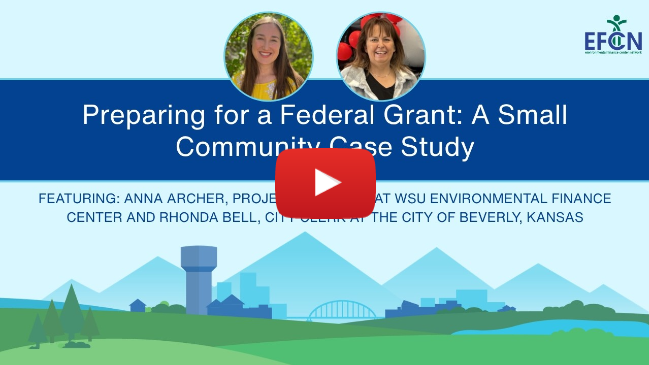 |
Webinar | Preparing for a Federal Grant: A Small Community Case Study
Environmental Finance Center Network
"Large federal grants can be transformative, but small communities often have limited staff and resources to manage complex funding opportunities. This webinar highlights how one small community is preparing for a major federal grant project by building partnerships, leveraging technical assistance, and coordinating with key stakeholders. Through this case study, viewers will gain practical strategies to strengthen local capacity, prepare for project implementation, and position their communities for long-term success."
|
|
|
|
|
|
|
|
Cybersecurity 103: Threat Landscape
October 8, 2026 | 1:00 PM ET
U.S. Environmental Protection Agency
This free training builds upon EPA’s Cybersecurity 102 Training for Water Systems, providing further details on cybersecurity threats facing the water sector. Participants will learn about state-sponsored threats, risks to Industrial Control Systems (ICS) and Supervisory Control and Data Acquisition (SCADA) systems, malware, and vulnerabilities within Human-Machine Interfaces (HMIs). The course also highlights real-world cybersecurity incidents impacting water systems, emphasizes the importance of staying informed on emerging threats, and outlines incident reporting processes and available cybersecurity resources to support preparedness and resilience. |
|
|
|
Cybersecurity 104: Cyber Hygiene & Resilience for Small Utilities
October 13, 2026 | 1:00 PM ET
U.S. Environmental Protection Agency
EPA's Office of Water Emergency Response and Cybersecurity (OWERC) provides cybersecurity training aimed at expanding cyber knowledge for the water sector. This free training will provide water and wastewater utilities with practical cybersecurity knowledge and actions relevant to the course topic, with an emphasis on improving cybersecurity preparedness, resilience, and overall cyber posture.
Course Objectives:
• Understand the basic concepts of cyber hygiene and cyber resilience.
• Identify essential cybersecurity practices, including strong passwords, multi-factor authentication, patching, backups, endpoint protection, and access management.
• Understand how to prioritize cybersecurity improvements when resources are limited.
• Develop a basic incident preparedness mindset and identify actions that can help utilities maintain operations during a cyber incident.
• Identify practical cybersecurity resources and next steps that can assist utilities in improving their cybersecurity posture. |
|
|
|
Cybersecurity Refresher Training for Water Systems
October 15, 2026 | 1:00 PM ET
U.S. Environmental Protection Agency
EPA's Office of Water Emergency Response and Cybersecurity (OWERC) offers this free refresher training to water and wastewater utilities to reinforce their foundational understanding of cybersecurity and how it applies to the water sector. |
|
|
|
|
|
|
|
|
|
|
Recent Blog Posts at WaterOperator.org |
|
|
 |
|
Turning Rural Water Infrastructure Funding into Lasting Results
Read Here » |
|
|
 |
|
Monitoring, Sampling, and Data Management for NPDES Compliance
Read Here » |
|
|
|
|
|
Groundwater & Well Care for Public Water Systems is a free online course from WaterOperator.org. Certificates are provided and the course is currently pre-approved for 2 hours continuing education credit in a number of states.
Click here to learn more. |
|
|
|
|
|
|
|
|
|
WaterOperator.org is a free service, grant-funded to support small community water and wastewater operators with comprehensive resources and information in one easy-to-use place. We also serve the 800+ training, primacy, and technical service organizations, by helping operators get to their information. We aren't selling or advertising anything. Call us at 1-866-522-2681 for assistance. |
|
|
|
|
|
Visit our other websites: |
|
|
|
|
|
|
|
Click here to unsubscribe | Sent to: _t.e.s.t_@example.com
Illinois State Water Survey, 2204 Griffith Drive, Champaign, IL 61820, United States |
|
|
|
|
|
|