|
Newsletter #443 - September 29, 2026 |
|
|
|
|
 |
October is Cybersecurity Awareness Month! |
|
The recent increase in cyberattacks targeting critical infrastructure has reinforced the growing importance of cybersecurity across the water and wastewater sector. As utilities continue to adopt connected technologies to improve operations, treatment processes, and system monitoring, they also face a growing threat landscape. Cybersecurity is no longer just an IT concern. It is a shared responsibility that requires awareness from every member of your organization. Taking prompt action against suspected cyber threats helps safeguard essential services, protect sensitive data, and ensure the continued delivery of clean water and wastewater treatment services to the communities we serve.
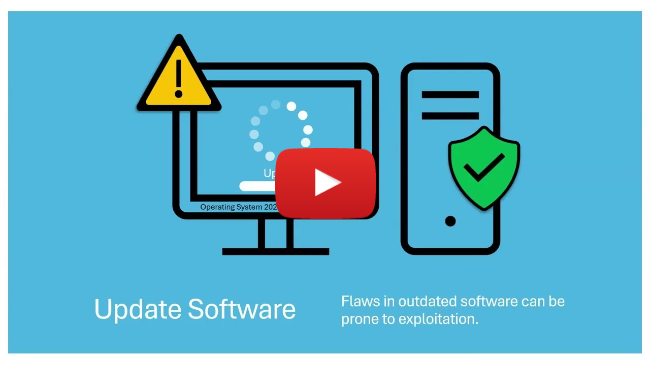
This October, the Cybersecurity and Infrastructure Security Agency (CISA), invites organizations to take proactive steps to strengthen their cyber defenses with the theme, "Securing the Next 250." This campaign emphasizes that organizations supporting critical infrastructure play a vital role in strengthening national resilience against cyber threats to ensure a secure digital future for the nation. For water and wastewater utilities, that means focusing on foundational cybersecurity practices such as training employees to recognize phishing attempts, requiring strong passwords and multifactor authentication, maintaining up-to-date software, backing up critical data, and preparing for potential disruptions through effective incident response planning.
CISA reminds us that no organization is too small to be a target and that every organization connected to critical infrastructure has a role to play in protecting essential services. Cybersecurity Awareness Month provides an opportunity to reinforce security best practices, engage employees in ongoing cybersecurity education, and evaluate where additional safeguards may be needed. By making cybersecurity a year-round priority, water and wastewater professionals can help strengthen operational resilience, reduce risk, and ensure reliable service for the customers and communities who depend on them every day.
This year, CISA has provided a toolkit to help organizations build their own Cybersecurity Awareness Month campaigns.
|
|
|
|
|
|
|
|
|
|
Cybersecurity 102: Operational Technology Basics
October 6, 2026 | 1:00 PM ET
U.S. Environmental Protection Agency
This free training builds upon EPA’s Cybersecurity 101 Training for Water Systems, offering deeper insights into cybersecurity for those with basic knowledge in the field as it applies to Operational Technology (OT). Whether you are an Information Technology (IT) professional or simply interested in protecting yourself online, this training equips you with practical skills to navigate today’s digital threats. |
|
|
|
Cybersecurity 103: Threat Landscape
October 8, 2026 | 1:00 PM ET
U.S. Environmental Protection Agency
This free training builds upon EPA’s Cybersecurity 102 Training for Water Systems, providing further details on cybersecurity threats facing the water sector. Participants will learn about state-sponsored threats, risks to Industrial Control Systems (ICS) and Supervisory Control and Data Acquisition (SCADA) systems, malware, and vulnerabilities within Human-Machine Interfaces (HMIs). The course also highlights real-world cybersecurity incidents impacting water systems, emphasizes the importance of staying informed on emerging threats, and outlines incident reporting processes and available cybersecurity resources to support preparedness and resilience. |
|
|
|
Cybersecurity 104: Cyber Hygiene & Resilience for Small Utilities
October 13, 2026 | 1:00 PM ET
U.S. Environmental Protection Agency
EPA's Office of Water Emergency Response and Cybersecurity (OWERC) provides cybersecurity training aimed at expanding cyber knowledge for the water sector. This free training will provide water and wastewater utilities with practical cybersecurity knowledge and actions relevant to the course topic, with an emphasis on improving cybersecurity preparedness, resilience, and overall cyber posture.
Course Objectives:
• Understand the basic concepts of cyber hygiene and cyber resilience.
• Identify essential cybersecurity practices, including strong passwords, multi-factor authentication, patching, backups, endpoint protection, and access management.
• Understand how to prioritize cybersecurity improvements when resources are limited.
• Develop a basic incident preparedness mindset and identify actions that can help utilities maintain operations during a cyber incident.
• Identify practical cybersecurity resources and next steps that can assist utilities in improving their cybersecurity posture. |
|
|
|
Cybersecurity Refresher Training for Water Systems
October 15, 2026 | 1:00 PM ET
U.S. Environmental Protection Agency
EPA's Office of Water Emergency Response and Cybersecurity (OWERC) offers this free refresher training to water and wastewater utilities to reinforce their foundational understanding of cybersecurity and how it applies to the water sector. |
|
|
|
Cybersecurity 201: AI and Emerging Technology Risks for Water Utilities
October 20, 2026 | 1:00 PM ET
U.S. Environmental Protection Agency
EPA's Office of Water Emergency Response and Cybersecurity (OWERC) provides cybersecurity training aimed at expanding cyber knowledge for the water sector. This free training will provide water and wastewater utilities with practical cybersecurity knowledge and actions relevant to the course topic, with an emphasis on improving cybersecurity preparedness, resilience, and overall cyber posture.
Course Objectives:
• Understand basic artificial intelligence and emerging technology terminology.
• Recognize how AI can be used by cyber attackers to increase the speed, scale, and effectiveness of cyber threats.
• Identify common AI-enabled phishing, social engineering, fraud, and misinformation risks.
• Identify low-risk and practical ways utilities can use AI while reducing cybersecurity risks.
• Understand the importance of AI governance, policies, rules, and guardrails.
• Identify immediate actions utilities can take to safely manage the use of AI. |
|
|
|
Cybersecurity 202: Zero Trust Fundamentals for Water Utilities
October 22, 2026 | 1:00 PM ET
U.S. Environmental Protection Agency
EPA's Office of Water Emergency Response and Cybersecurity (OWERC) provides cybersecurity training aimed at expanding cyber knowledge for the water sector. This free training will provide water and wastewater utilities with practical cybersecurity knowledge and actions relevant to the course topic, with an emphasis on improving cybersecurity preparedness, resilience, and overall cyber posture.
Course Objectives:
• Understand the basic concept of Zero Trust and why it is relevant to water utilities.
• Understand foundational Zero Trust principles, including explicit verification, least privilege, and assuming breach.
• Recognize how Zero Trust concepts can be applied to IT, OT, SCADA, remote sites, and vendor access.
• Identify practical, low-cost steps utilities can take to move toward a Zero Trust approach.
• Develop a basic roadmap for implementing Zero Trust practices over time. |
|
|
|
Water Cybersecurity Assessment Tool (WCAT) Training
October 27, 2026 | 1:00 PM ET
U.S. Environmental Protection Agency
In this free training, EPA's Office of Water Emergency Response and Cybersecurity (OWERC) will demonstrate how to use EPA’s Water Cybersecurity Assessment Tool (WCAT) to conduct cybersecurity assessments at water and wastewater systems. |
|
|
|
Cybersecurity Procurement Checklist Tool Training
October 28, 2026 | 1:00 PM ET
U.S. Environmental Protection Agency
In this free training, EPA's Office of Water Emergency Response and Cybersecurity (OWERC) will demonstrate how to use EPA’s Cybersecurity Procurement Evaluation Checklist for Drinking Water and Wastewater Systems to assess and compare cybersecurity-related vendors. |
|
|
|
Cybersecurity 203: Third-Party and Vendor Risk Management
October 29, 2026 | 1:00 PM ET
U.S. Environmental Protection Agency
EPA's Office of Water Emergency Response and Cybersecurity (OWERC) provides cybersecurity training aimed at expanding cyber knowledge for the water sector. This free training will provide water and wastewater utilities with practical cybersecurity knowledge and actions relevant to the course topic, with an emphasis on improving cybersecurity preparedness, resilience, and overall cyber posture.
Course Objectives:
• Understand why third-party and vendor cybersecurity risks can impact water utility operations.
• Identify vendors and third parties that have access to utility systems, data, and facilities.
• Recognize cybersecurity risks associated with vendor remote access, software, hardware, cloud services, and onsite access.
• Identify practical controls for managing vendor access and reducing supply chain risks.
• Understand basic vendor security expectations that can be incorporated into contracts, purchase orders, and vendor relationships.
• Identify initial steps utilities can take to improve vendor risk management. |
|
|
|
|
Featured Video |
 |
Protect Your Utility: Cybersecurity Tips for Water and Wastewater Systems
WSU Environmental Finance Center
"Protect Your Utility from Cybersecurity Incidents!
Join Michelle Dehaven, a Senior Program Manager at the Environmental Finance Center at Wichita State University, as she explains a few tips for keeping even the smallest system protected from random cybersecurity threats. In this video, Michelle helps you understand the potential impacts of a cybersecurity incident and how you can take simple steps to build a baseline of protection.
What You’ll Learn:
- What is Cybersecurity?
- The potential impacts of a cyber incident to a utility
- No-cost to low-cost ways to reduce risk
- Resources to help you build your risk and resilience plan
Whether you’re a small rural community or a large metropolis, being cyber aware is essential for protecting your operations and your community!
Do you have questions or need help with your utility's cyber-awareness, reach out to the EFCN for technical assistance and training support. Get help at: https://efcnetwork.org/get-help/
Links Mentioned:
|
|
|
|
|
 |
Missed our last webinar? Watch the recording! |
|
This webinar, recorded in September 2026, reviews publicly available resources for wastewater utilities that support emergency preparedness and resilience. The session also includes a demonstration of our free search tools at WaterOperator.org to find additional free resources and training events.
This webinar is part of a series that covers topics relevant to wastewater operators, including funding, asset management, compliance, and water quality.
For informational purposes only. We are unable to offer certificates for watching a video recording.
Recordings of our previous webinars:
|
|
|
|
|
 |
Tap Talk |
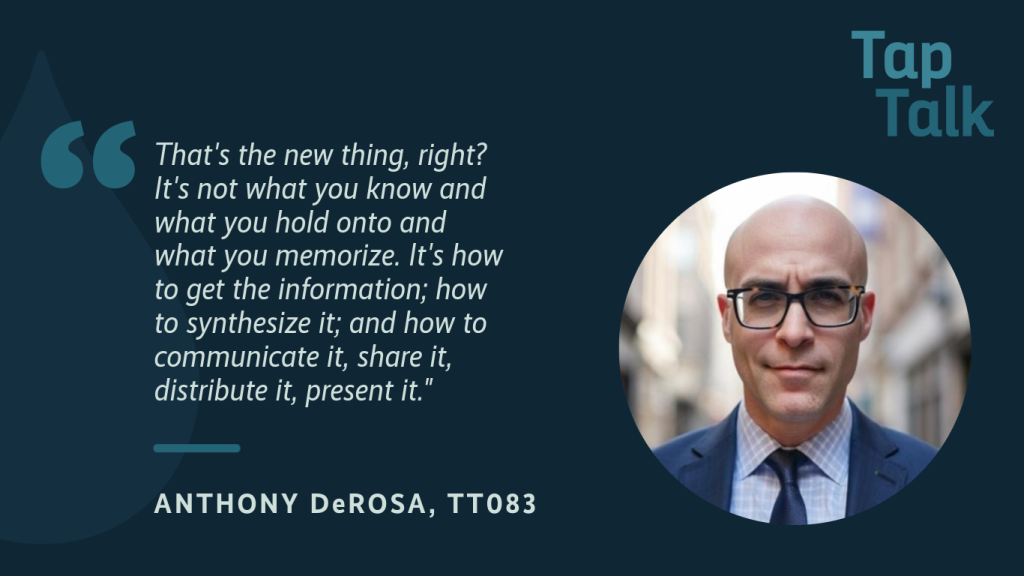
Leadership in Drinking Water Regulation: Adapting to Modern Needs (Part 1)
To conclude Season 7 of Tap Talk, we bring you a two-part conversation with Anthony DeRosa, the executive director of the Association of State Drinking Water Administrators (ASDWA). In Part 1 of the episode, Anthony tells Steve and Jennifer about the work ASDWA does to support drinking water regulators, the evolution of the organization over the time he has worked there, and his approach to leadership in this changing technological age.
|
|
|
|
|
|
|
Featured Video |
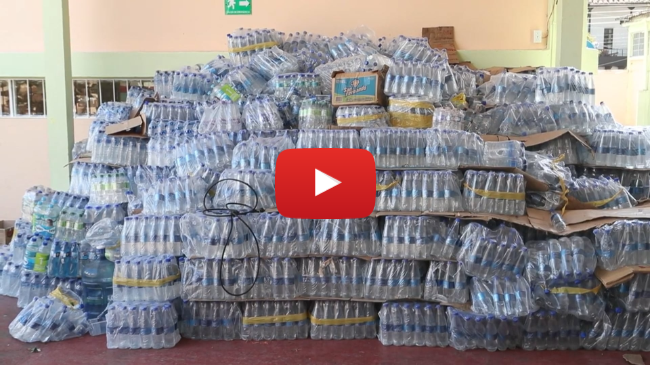 |
What is the WaterStep WOWCart?
WaterStep
"A brief introduction to WaterStep's WOWCart, a mobile water treatment and sanitation unit for use in disasters, or situations where municipal water is off line.
This technology can produce up to 10,000 gallons of safe water daily using only table salt and a 110v power source. It utilizes chlorination, ultraviolet disinfection, micro and carbon filtration. Carbon filtration can be used for removing petroleum products and other heavy chemicals as well, but it can also be swapped out for additional forms of filtration as needed."
Learn more about the Water-on-Wheels Mobile Water Treatment System:
|
|
|
|
|
Apply for AWWA Scholarships until November 6th |
|
The Water Equation Scholarships program supports students and operators at the beginning of their work in water. Scholarships are available through AWWA, corporate partners, and the Water Operator Continuing Education Fund.
The Water Operator Continuing Education Fund supports non-traditional education programs, including trade schools, certification programs, and community college coursework for water operators. To finalize your application, you will need to enter the code WOE.
The Water Operator Continuing Education Fund does not fund scholarships for undergraduate, graduate, or PhD programs. To apply for academic scholarships, visit the Water Equation Scholarships webpage. Water Equation offers 23 merit-based science, technology, engineering, and match academic scholarships for higher degrees.
For questions about specific program eligibility, contact Margo Hatton (mhatton@awwa.org), CFRE – Senior Manager Development and Donor Relations.
Learn about more continuing education opportunities and section specific scholarships available through your local AWWA section.
|
| Learn More |
|
|
|
|
|
|
|
|
In the News |
|
Cybersecurity News...
|
|
|
|
|
Recent Blog Posts at WaterOperator.org |
|
|
 |
|
Turning Rural Water Infrastructure Funding into Lasting Results
Read Here » |
|
|
 |
|
Monitoring, Sampling, and Data Management for NPDES Compliance
Read Here » |
|
|
|
|
|
Groundwater & Well Care for Public Water Systems is a free online course from WaterOperator.org. Certificates are provided and the course is currently pre-approved for 2 hours continuing education credit in a number of states.
Click here to learn more. |
|
|
|
|
|
|
|
|
|
WaterOperator.org is a free service, grant-funded to support small community water and wastewater operators with comprehensive resources and information in one easy-to-use place. We also serve the 800+ training, primacy, and technical service organizations, by helping operators get to their information. We aren't selling or advertising anything. Call us at 1-866-522-2681 for assistance. |
|
|
|
|
|
Visit our other websites: |
|
|
|
|
|
|
|
Click here to unsubscribe | Sent to: _t.e.s.t_@example.com
Illinois State Water Survey, 2204 Griffith Drive, Champaign, IL 61820, United States |
|
|
|
|