|
Newsletter #121 for January 2026 |
|
|
|
|
Announcing the Private Well Conference 2026 |
 |
|
|
|
The Private Well Conference is returning in 2026! The dates are set: Tuesday, May 19 – Thursday, May 21, 2026, in Missoula Montana at the Holiday Inn Downtown. Room block and registration information will be available soon.
This conference is specifically for well practitioners, providing information and insights that can be taken home and used locally with the well owners they serve. Most of the work providing outreach and education to well owners is done locally and this conference is geared to support the thousands of professionals who work with well owners every day, including health department staff, lab personnel, cooperative extension educators, well drillers, environmental health professionals, researchers, and other private well stakeholders.
Our Call for Abstracts is currently open. Submit yours here! »
Please stay tuned for more details in the coming weeks. The agenda is still being set, but will include presentations by experts from around the country with practical advice on understanding and solving today’s well owner issues. In the meantime, if you missed any of our past in-person or virtual Private Well Conferences, all of the presentations were recorded and are freely available to view here. These presentations, by private well experts from around the country, provide valuable advice and tools you can use to support well owners in your jurisdictions. |
| More information » |
|
|
|
10 Years of the Private Well Newsletter! |
|
|
|
Our Private Well Partner Newsletter has just completed its 10th year of monthly newsletters We began the Partner Newsletter in 2016, and we have been pleased to continue to provide news, information, and relevant material to private well partners for a full decade.
The new year, by the way, is also an excellent time for sanitarians and EHPs to enroll in our FREE Private Well Class!
|
| Read past newsletters here » |
|
|
|
|
|
Request Your Free "Is Your Well Water Safe?" Brochures |
|
|
|
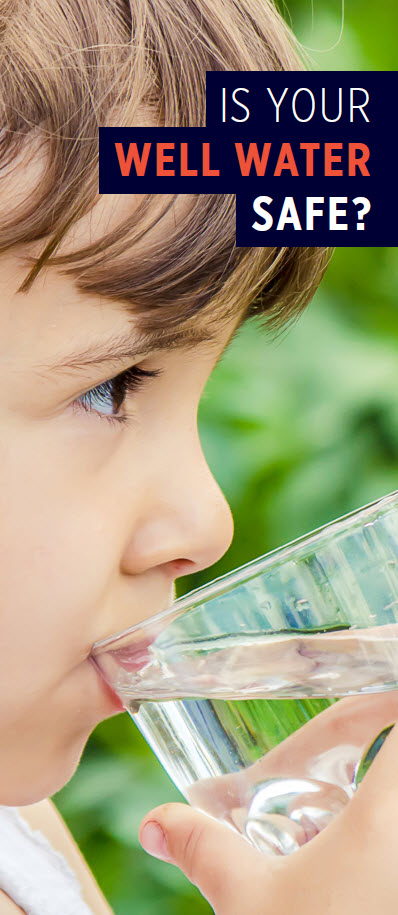
We are planning a 7th Printing of our “Is Your Well Water Safe?” brochure. If you would like to order copies, printed and delivered free of charge, please sign up. We have distributed over 90,000 brochures to stakeholders like you to provide to well owners you serve. These brochures are ideal for county and health departments, laboratories, extension offices, technical assistance providers, and other well stakeholders to provide basic guidance and to highlight your programs as a partner to the Private Well Class.
We look forward to working with you to re-supply your existing stock of brochures, or providing you with your very first batch! We're very grateful for the tremendous response these brochures have received and are so glad they are helpful in efforts to support private well owners.
You can request brochures at the form linked below. They are completely free and there is space left for you to add your own label as well. There are versions available in both English and Spanish. We expect to print and mail them right after the private well conference in May 2026. If you need copies of the current brochure before that, we have limited quantities available now. The new printing will include several updates to the brochure. |
| Submit a request » |
|
|
|
|
|
Tap Talk — Understanding PFAS and Private Wells (Part 2)
|
![Graphic for episode #66 of the Tap Talk podcast, featuring photos of guests Dr. Jackie MacDonald Gibson and Jenny Hoponick Redmon and the quote "Every single American should be able to turn on their tap and [have] water that is safe, affordable, and reliable. Bottled water is not a guarantee of that.".](https://content.app-us1.com/cdn-cgi/image/width=650,dpr=2,fit=scale-down,format=auto,onerror=redirect/lmplq/2025/11/05/b4b994e8-1a31-47b7-94fe-9a4ad886d3df.png "Graphic for episode #66 of the Tap Talk podcast, featuring photos of guests Dr. Jackie MacDonald Gibson and Jenny Hoponick Redmon and the quote \"Every single American should be able to turn on their tap and [have] water that is safe, affordable, and reliable. Bottled water is not a guarantee of that.\".") |
|
In this episode, we concluded a two-part series exploring PFAS and the chemicals' impact on private well users. Our conversation with Dr. Jacqueline MacDonald Gibson and Jennifer Hoponick Redmon dives further into their research efforts and potential applications. Together, these episodes offer important foundational understanding as well as new insight on PFAS exposure via well water. |
| 🎧 Listen here 🎧 |
|
|
From the Help Center |
|
|
|
Do I need to treat my well water, and what type of treatment should I use?
If you need help in deciding if you need treatment for you well water, visit this article at our Help Center. It includes list of common contaminants and popular treatment options.
For additional articles and resources for private well owners, explore our Private Well Help Center. |
|
|
|
|
Upcoming Webinars & Recent Recordings |
|
|
|
Well Care 101 –
What You Need to Know to Protect Your Family
January 14, 2026 | 1 PM CT
Hosted by PrivateWellClass.org
This free webinar will cover the basics of well care, including how to determine if well water is safe for drinking, best practices for well maintenance, and solutions to the most common well problems.
Register »
We would love your support in distributing this information. Please feel free to share this link. |
|
|
|
Is My Water Safe to Drink? –
Common Questions about Private Wells
February 4, 2026 | 1 PM CT
Hosted by PrivateWellClass.org
This free webinar will cover the answers to common well questions such as how to get well water tested, what to do to take care of a well, and if a well is susceptible to contamination.
Register »
We would love your support in distributing this information. Please feel free to share this link. |
|
|
|
Groundwater and Well Construction 101
Recorded on December 17, 2025
This webinar covered types of wells, well construction, the basic components of well systems, and water treatment options.
Watch Recording » |
|
|
|
How to Find Local Information and Help
Recorded on November 19, 2025
This webinar explained how to find local resources for well information and assistance, and addressed topics such as methods for finding well logs, records, and information about your well; finding well drillers, contractors, and financial help programs; and when to sample, what to sample for, and best practices to protect well systems.
Watch Recording »
|
|
|
|
|
|
Study links infant mortality to PFAS in well water and extreme preterm births
News Center Maine
A recent study conducted by a team from the University of Arizona concluded that there is a clear risk from PFAS exposure to pregnant mothers, due to an associated increase in infant mortality and extreme preterm births among mothers known to be exposed to PFAS in their drinking water. The study considered birth data from more than 11,000 mothers in New Hampshire that lived near 41 different known PFAS-contaminated sites. Babies born to these mothers were roughly three times as likely to die in their first year, be born before 28 weeks, or weigh under 2.2 pounds at birth.
|
| Read here » |
|
|
|
|
|
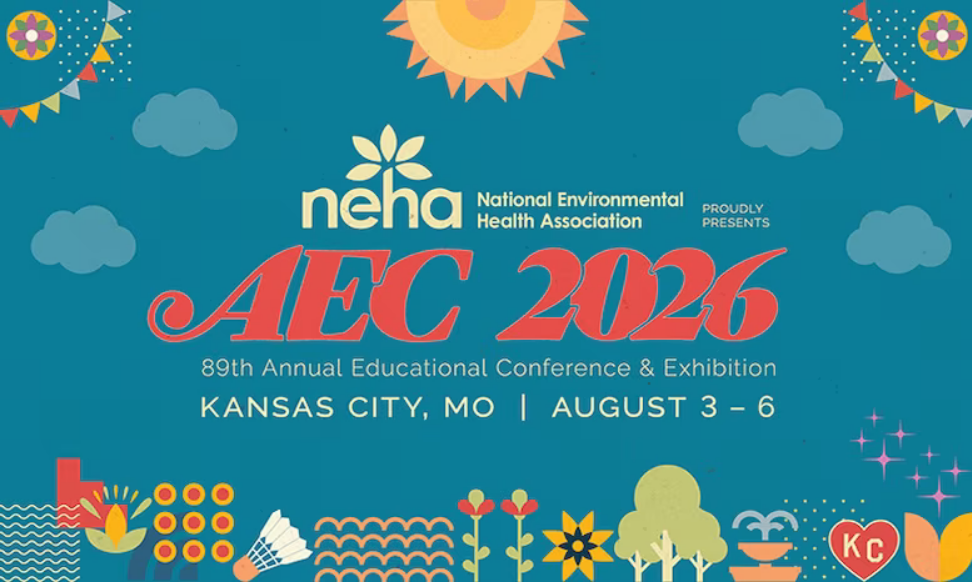
Early Bird Registration for NEHA's
Annual Exhibition & Conference 2026 Is Open!
|
 |
|
Registration is already open for this July's Annual Educational Conference & Exhibition from the National Environmental Health Association! This year's AEC will be held from August 3-6, 2026, in Kansas City, Missouri, at the Sheraton Kansas City Hotel at Crown Center.
This conference is an annual opportunity for the brightest minds in environmental health to connect and strengthen the professional field. Per NEHA:
"This year's theme, Woven Strong: The Environmental Health Tapestry, reflects how every thread, whether it's your expertise, your experiences, or your innovations, interlaces with others to create a stronger, more resilient future for public health."
Early bird pricing for registration is available until March 25, 2026.
|
| See more info and register » |
|
|
|
|
Partner Events & Workshops |
|
|
|
Solutions for Difficult Onsite Wastewater Systems
January 6-8 | Milford, MA
Hosted by RCAP Solutions & NOWRA
This event will comprise of two sessions: a two-day in-person training from January 6-7, which will expand the skills needed for septic system professionals to manage complex wastewater system designs and site constraints with confidence; and a "Train the Trainer" session on January 8.
Register here. |
|
|
|
Resolving Wastewater Treatment Challenges in Small Communities
January 13-15 | Indianapolis, IN
Hosted by GLCAP & NOWRA
This training course aims to provide decision-makers with the
information necessary to collaborate with engineers, soil
professionals, construction managers, and financial personnel
to get the best wastewater solution for their community. The event will comprise of two sessions: a general session from January 13-14, and a "Train the Trainer" session on January 15.
Register here. |
|
|
|
Decentralized Septic Systems
January 20 | 10:00 am PT | Sparks, NV
Hosted by RCAC
This four hour class is designed to provide attendees with valuable information on the operation and maintenance of onsite wastewater systems.
Register here. |
|
|
|
Webinar: Private Wells – Professionals, Stakeholders, and Well Owners (ME)
January 21 | 10:00 am ET | Online
Hosted by RCAC
Well maintenance and water quality is the responsibility of homeowners, and according to the Maine Geologic Survey, about half of Maine residents rely on private water wells for their drinking water. RCAP Solutions and Edgewater Strategies are hosting this free virtual training will discuss well construction, common problems with wells, extreme weather impacts and available resources for private well owners and professionals.
Register here. |
|
|
|
TreePeople Well Owners Training
January 26 | 6 pm PT | Online
Hosted by RCAC
Join this training to learn about well operations and maintenance, protecting groundwater, and troubleshooting issues with wells! RCAC will share recommendations for water quality testing, identifying appropriate treatment devices, and working with professionals when needed. This free training will provide the knowledge and resources to care for a well for years to come. The training will include local groundwater information in North LA county area.
Register here. |
|
|
|
Indiana Private Well Testing, Regulations, & More
January 28 | 9:30 am ET | Bloomington, IN
Hosted by the Great Lakes Community Action Partnership
This workshop for professionals can provide insight into how and why a private well program can improve public health.
GLCAP will cover considerations for testing, review examples of current Indiana regulations, and discuss how to establish a strong private well program.
Register here. |
|
|
|
|
|
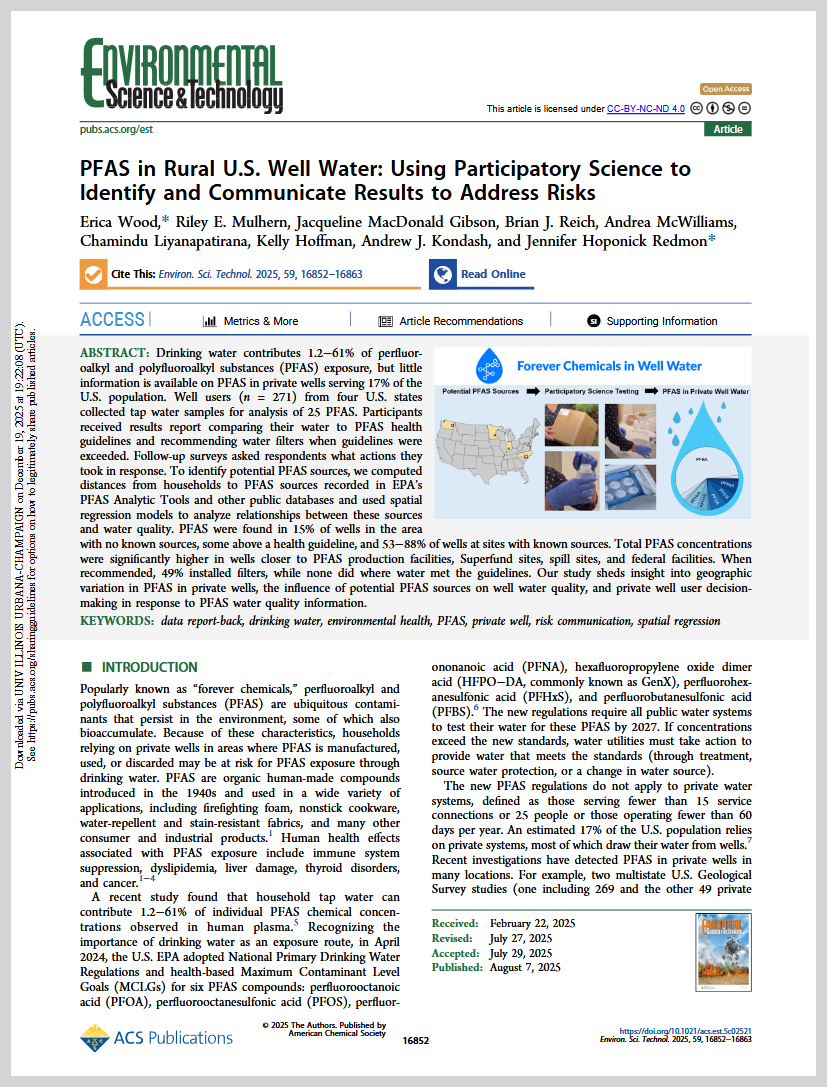
PFAS in Rural U.S. Well Water: Using Participatory Science to Identify and Communicate Results to Address Risks
Environmental Science & Technology
This study, authored by multiple private well/PFAS experts (including friends of our program and podcast guests Jacqueline MacDonald Gibson and Jennifer Hoponick Redmon), investigated wells in Washington, Minnesota, Indiana, and North Carolina for the presence of PFAS. The study examined geographic variance in PFAS in wells, the influence of PFAS sources on water quality, and how private well users made decisions in response to receiving information about PFAS in their water.
|
| View the document » |
|
|
|
|
Featured Video:
Tap Water Quality 101 — Contaminants in Private Well Water |
|
|
 |
|
This video, brought to you by Tap Score, investigates common myths surrounding well water and several common contaminants that are found in drinking water sourced from private wells. Questions include: What might be in your private well's water? Is it naturally cleaner than city water? |
| Watch the video » |
|
|
|
|
|
PrivateWellClass.org is a free, grant-funded service to support private well owners and the professionals that work with these wells. The program seeks to raise awareness of private well issues and help well owners understand their responsibilities to be a good steward of their well and water source. The Private Well Class, developed at the Illinois State Water Survey at the University of Illinois Urbana-Champaign, is a collaboration with the Rural Community Assistance Partnership with funding from the U. S. Environmental Protection Agency. Call us at 1-866-945-0699 for assistance. |
|
|
|
|
|
Visit our other websites: |
|
|
|
|
|
|
|
Click here to unsubscribe | Sent to: _t.e.s.t_@example.com
Illinois State Water Survey, 2204 Griffith Drive, Champaign, IL 61820, United States |
|
|