DecentralizedWastewater.org Newsletter for December 2025 |
|
|
|
|
|
Two Years of From the Trenches!
This newsletter is our final edition of 2025 — which means we've been sending out From the Trenches for two years now! We're happy to say that we grew the newsletter's reach over the course of 2025, and we're looking forward to expanding it even further in 2026.
So to that end, we would like to extend an invitation for you to share this email with your friends and colleagues in the industry, or anyone you know that follows news and information from all corners of the water and wastewater industry.
You might also bookmark and share these two handy links:
As always, any inquiries about DecentralizedWastewater.org or From the Trenches can be directed to info@decentralizedwastewater.org. Thank you for reading, and Happy New Year!
|
|
|
|
|
|
|
|
|
See You at the Michigan Onsite Wastewater Conference on January 6th! |
|
|
|
As we first shared last month, our team is excited to be a part of the Michigan Onsite Wastewater Conference next month! The 74th annual Michigan conference will take place from January 6-7 in East Lansing, and provide educational and networking opportunities for septic tank service providers, local health departments, engineers, and many others concerning industry trends, regulatory changes, and the latest technologies.
13.5 CSE credits will be available to attendees. Our team will present the session "Online Support and Resources for Onsite Wastewater Professionals" at 3:00 pm on January 6th, worth 1.0 CSE credit! We will also be exhibiting in the vendor hall, where we can answer any additional questions you have about DecentralizedWastewater.org!
Registration remains open at the price of $260 for full-conference attendance, and $160 for single day attendance. We hope to see you there! |
|
|
|
|
Seasonal Care for Septic Systems:
The Most Important Winter Tasks |
|
|
|
|
|
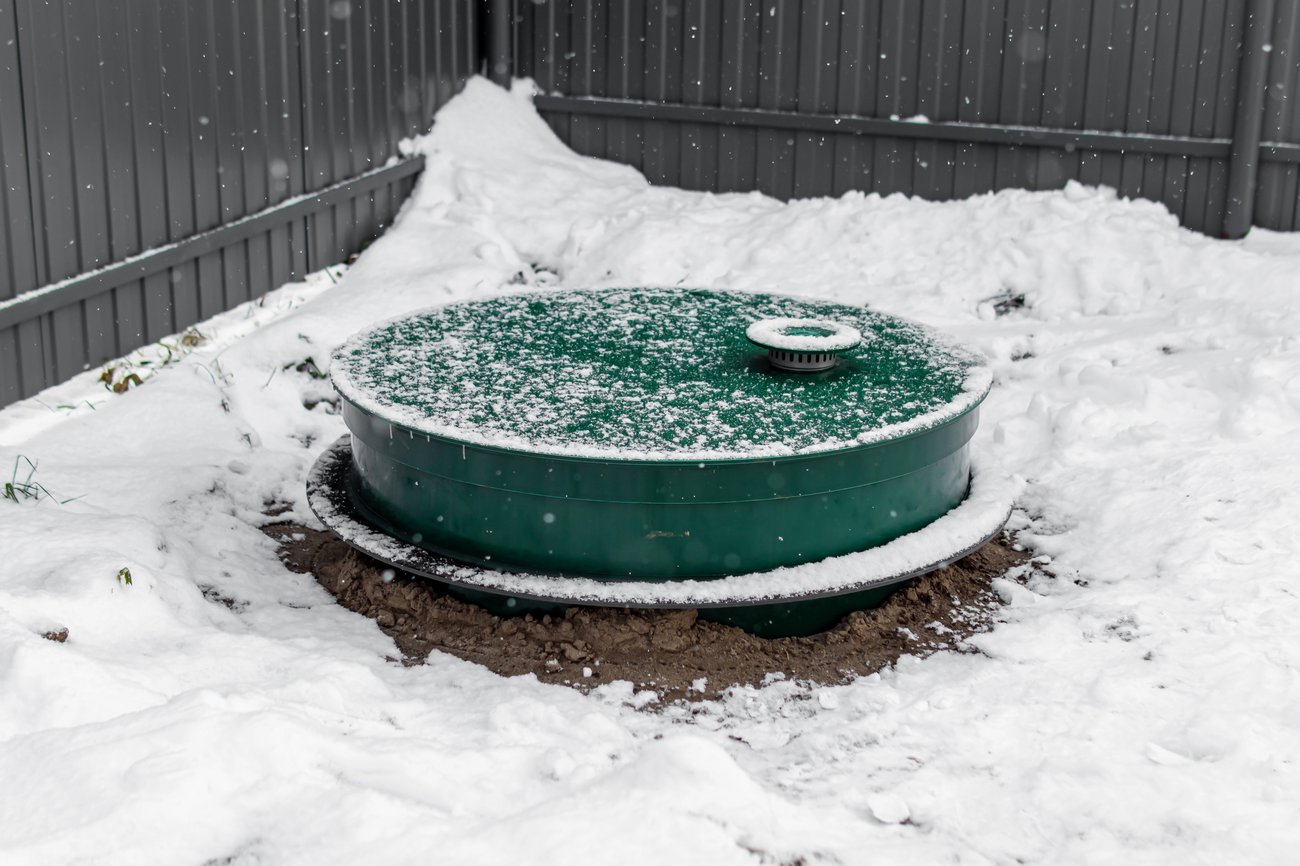
Winter, at least in areas where the season gets cold, is arguably the most critical season for homeowners to properly and diligently take care of their septic systems. Our latest blog post, a new installment in our 'Seasonal Care for Septic Systems' series, covers critical wintertime tasks for homeowners to ensure their systems remain in good condition.
We cover how to winterize a system, what happens when a system freezes, why to avoid pumping during the winter, and staying safe when working outside in extreme winter conditions. Take a look for important messages to provide septic users and the information on how to keep yourself safe for this winter!
|
| Read It Here » |
|
|
|
|
TT065 – Understanding PFAS and Private Wells (Part 1) |
|
|
![The promotional graphic for Tap Talk episode #65, featuring photos of guests Jackie MacDonald Gibson and Jenny Hoponick Redmon; and a quote: "One of the reasons [PFAS] are so slow to break down is exactly the reason they're so useful. They have a chain of carbons attached to fluorine, one of the strongest chemical bonds that exists.".](https://content.app-us1.com/cdn-cgi/image/onerror=redirect,width=650,dpr=2,fit=scale-down,format=auto/lmplq/2025/11/05/10229462-a6d2-4a5e-880b-8a60d6e032cb.png "The promotional graphic for Tap Talk episode #65, featuring photos of guests Jackie MacDonald Gibson and Jenny Hoponick Redmon; and a quote: \"One of the reasons [PFAS] are so slow to break down is exactly the reason they're so useful. They have a chain of carbons attached to fluorine, one of the strongest chemical bonds that exists.\".") |
|
In TT065, we kicked off a two-part series exploring PFAS — also known as “forever chemicals” — and their impact on private well users. Jennifer and Steve were joined by Dr. Jacqueline MacDonald Gibson and Jennifer Hoponick Redmon, two leading experts in environmental health and water quality. Together, they break down the science behind PFAS, discuss how these chemicals enter our water supplies, and share new research on exposure risks for private well users. The conversation explores the challenges, health implications, and ongoing efforts to protect drinking water in rural communities. |
| 🎧 Listen Here » |
|
|
|
|
|
|
Featured Webinars & Training |
|
|
|
Hidden Safety Factors in Onsite Wastewater – From Design to Installation: Including A Year in Review
December 17 | 1:00 pm ET | Infiltrator Water Technologies
Decentralized wastewater systems are built with multiple safety factors that enhance long-term performance and environmental protection. This presentation highlights these hidden safeguards and contrasts them with the vulnerabilities of centralized systems. It also features a “Year in Review” segment, addressing the questions submitted by Infiltrator webinar attendees over the past year.
Register here » |
|
|
|
Solutions for Difficult Onsite Wastewater Systems
January 6-8 | Milford, MA | RCAP Solutions & NOWRA
This event will comprise of two sessions: a two-day in-person training from January 6-7, which will expand the skills needed for septic system professionals to manage complex wastewater system designs and site constraints with confidence; and a "Train the Trainer" session on January 8.
Register here » |
|
|
|
Resolving Wastewater Treatment Challenges in Small Communities
January 13-15 | Indianapolis, IN | GLCAP & NOWRA
This training course aims to provide decision-makers with the
information necessary to collaborate with engineers, soil
professionals, construction managers, and financial personnel
to get the best wastewater solution for their community. The event will comprise of two sessions: a general session from January 13-14, and a "Train the Trainer" session on January 15.
More info and register here » |
|
|
|
Decentralized Septic Systems
January 20 | 10:00 am PT | Sparks, NV | RCAC
This four hour class is designed to provide attendees with valuable information on the operation and maintenance of onsite wastewater systems.
Register here » |
|
|
|
|
Highlights from Pumper Magazine |
|
|
|
System Evaluation: A Small Crack in a Septic Tank Could Mean Big Problems
"No detail is too small to include on an inspection report." Author Todd Stair writes that in the case of a small tank crack, this is for two reasons: The next person to see the crack could make a big deal of it, and because small cracks can get bigger. (In winter, they are also a freezing risk). Read more at Onsite Installer for advice on how to handle "small" issues likes this during inspections!
|
| Read Here » |
|
|
|
|
|
Top Internet Questions About Septic Systems - Answered!
Make It Clear: Why You Can't Just Flush and Forget
Last month over at Orenco's Make It Clear podcast, the show's team dove into most common septic system questions asked on the Internet. Such as: how they work, what not to flush, how to spot trouble early — all the usual stuff! Listen real stories, expert advice, and even some humor in this exploration of keeping septic systems as healthy as can be.
|
| Listen Here » |
|
|
|
|
| Installation Keys - Cold Weather Focus
This 76-slide presentation by Dr. Sara Heger of the University of Minnesota Water Resources Center focuses on the installation of septic systems in cold weather. It emphasizes that proper installation in cold weather is even more essential, as is using good material and techniques. Sub-topics include media specifications, keeping soil conditions natural, and cold climate considerations.
|
| See It Here » |
|
|
|
|
|
|
|
Visit our other websites: |
|
|
|
|
|
|
|
Click here to unsubscribe | Sent to: _t.e.s.t_@example.com
Illinois State Water Survey, 2204 Griffith Drive, Champaign, IL 61820, United States |
|
|