|
Newsletter #122 for February 2026 |
|
|
|
|
Join Us in Missoula for the Private Well Conference 2026!
|
 |
|
|
|
The 2026 Private Well Conference will be the sixth national workshop hosted by The Private Well Class to bring together private well practitioners to share new ideas, experiences, and best practices. We aim to strengthen outreach, education, and research programs that support private well owners around the country.
- Who: This conference is intended for private well professionals, including health department staff, lab personnel, cooperative extension educators, well drillers, environmental health professionals, researchers, technical assistance providers, and other private well stakeholders. Continuing education credit for EHPs through the National Environmental Health Association and the Illinois LEHP program will be available for those attending the conference.
- What: The Private Well Conference is a 2.5-day in-person, single track workshop with over 25 30-minute presentations, a drillers panel discussion, lightning talks, and most importantly — an opportunity to network with like-minded professionals.
- When: Tuesday, May 19 to Thursday, May 21, 2026.
- Where: Missoula, Montana, at the Holiday Inn Missoula Downtown by IHG. There is a room block at the federal rate, that will close April 20, 2026.
- How: Registration is free but required.
|
| More info » |
|
|
| Register now » |
|
|
| Reserve your hotel room » |
|
Abstract Submissions: Presentations should be focused on lessons learned, successful and novel ideas, how to’s, and takeaway messages that give attendees practical information that they can bring home and use in their daily responsibilities involving private well owners and their stakeholders. If you are interested in presenting at this unique event, focused on supporting the professionals that work with well owners every day, please submit an abstract! More information on topics of interest and other details are available on the abstract submission page.
The deadline to submit an abstract is 5pm CST on Wednesday, February 11, 2026.
(Note: This date is updated from the date listed in our January announcement!) |
|
|
| Submit an abstract » |
|
Please share our conference information page or this newsletter with any private well professionals that might be interested in attending the conference!
Registration is required. Registration closes April 20, 2026. |
|
|
|
|
|
From RCAP Rural Matters:
Understanding Private Wells and Their Importance
|
|
|
|
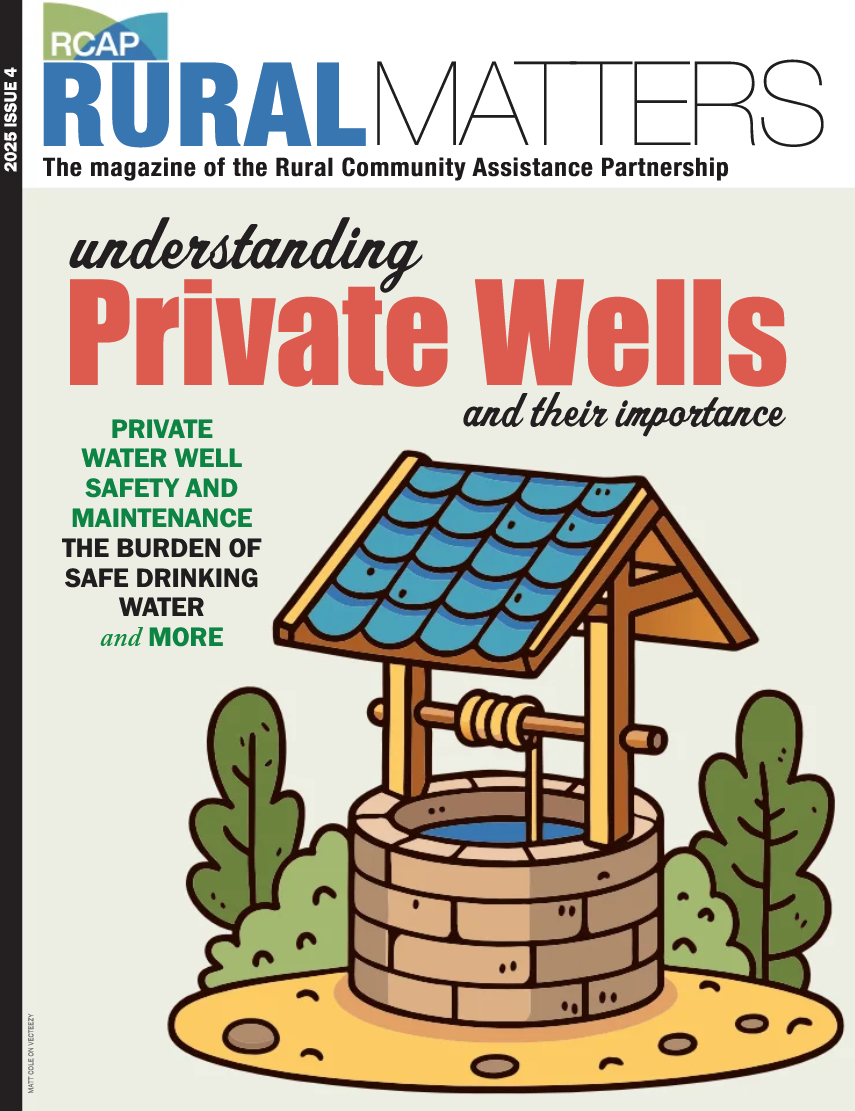
Do you follow the Rural Community Assistance Partnership’s Rural Matters magazine? The magazine highlights challenges and opportunities facing the rural communities RCAP works with, offers new ways of tackling rural issues, and shares updates from RCAP regional partners. In the last edition of 2025, Rural Matters focused heavily on private wells and their importance; covering well safety and maintenance, the burden of safe drinking water, and more. Rural Matters is free to read online. Check out 2025 Issue #4 on wells at the link below!
|
| Read here » |
|
|
|
|
|
Tap Talk — The Value of Well Data in Serving Well Owners |
 |
|
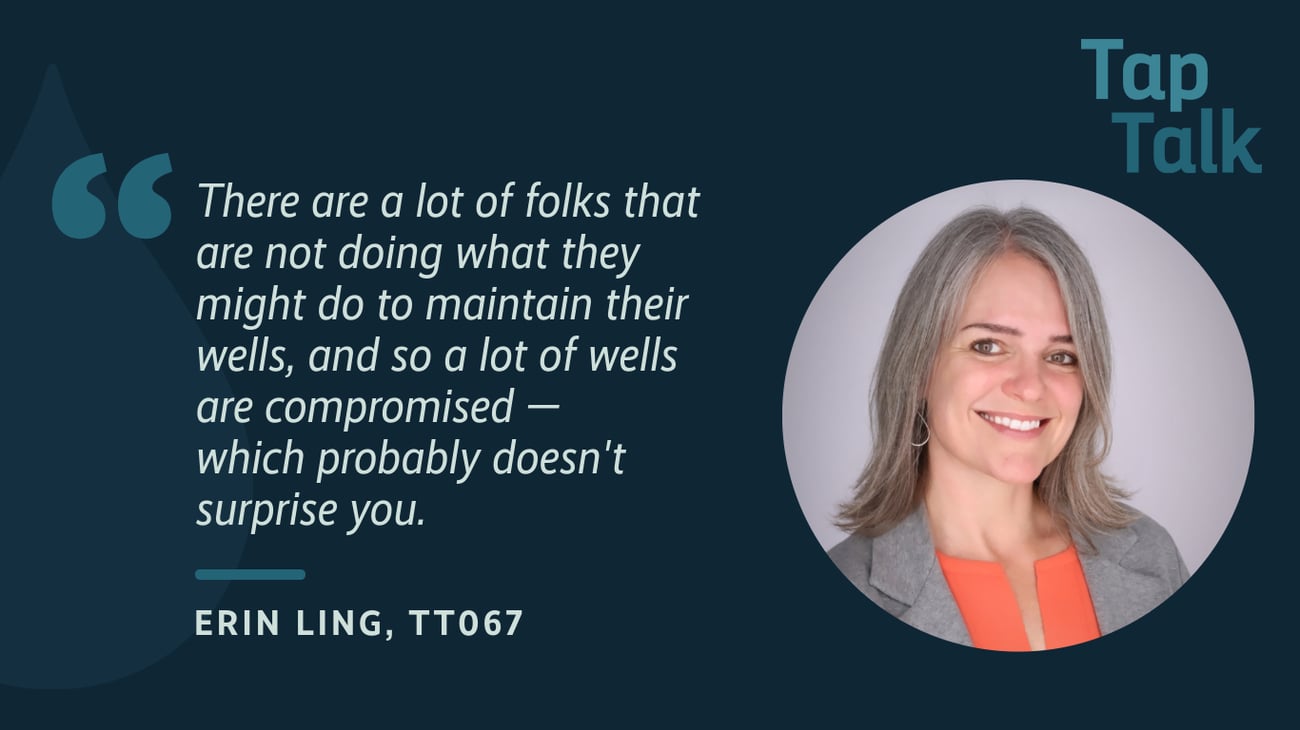
In TT067, we were pleased to welcome guest Erin Ling, a senior extension specialist at Virginia Tech University who coordinates the Virginia Household Water Quality Program (VAHWQP). The unique program provides a wealth of services to well owners in Virginia, including affordable testing, educational programming & workshops, water quality data collection & publication, and youth outreach for high school students. In particular, Erin emphasizes the value of the program’s data on Virginia’s private wells, and discusses with Steve and Jennifer how other states might learn from Virginia’s model.
|
| 🎧 Listen here 🎧 |
|
|
From the Help Center |
|
|
|
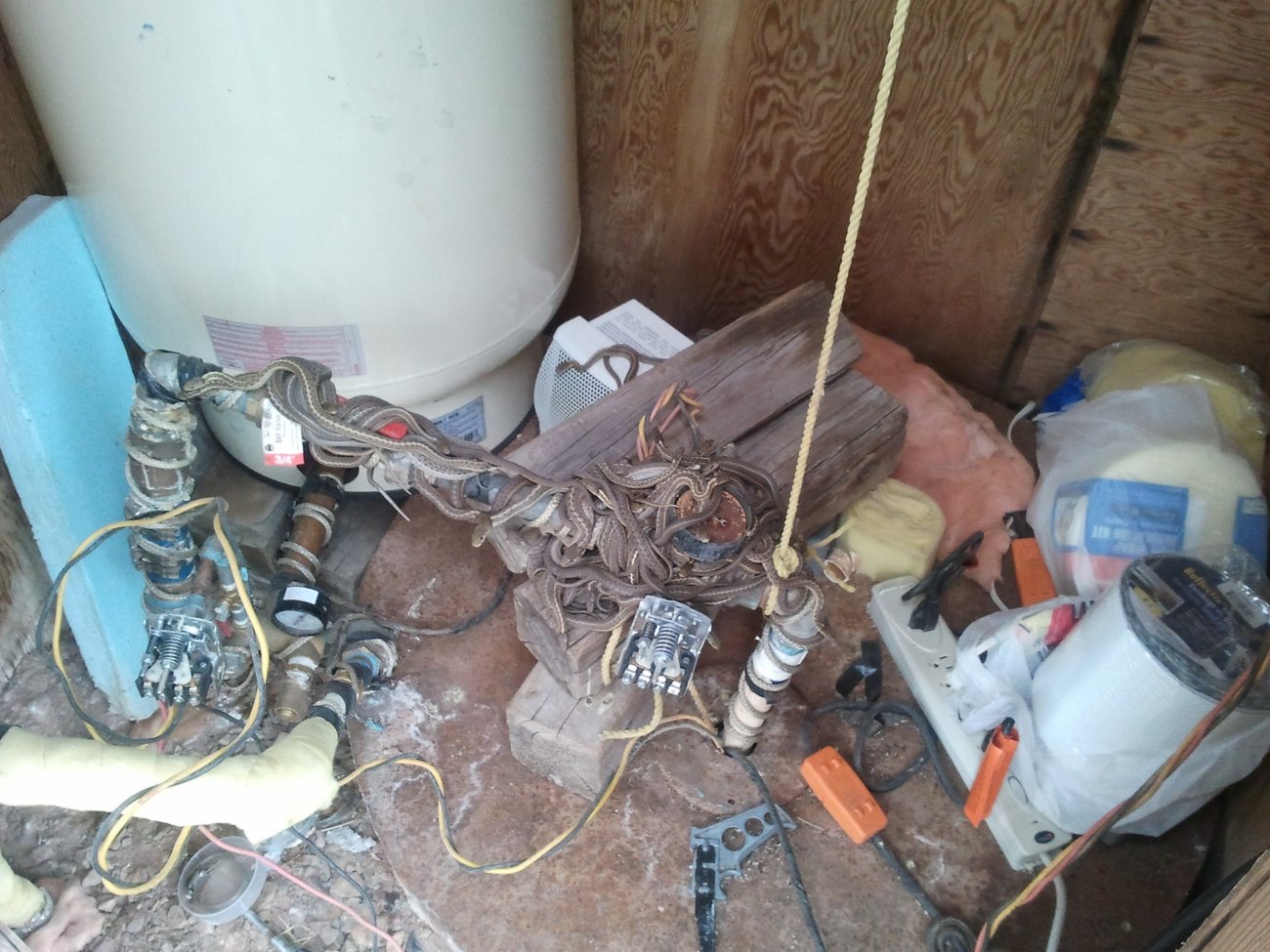
How do I get rid of frogs, snakes, or other animals living in my well?
If you've ever struggled with live or dead animals found in a well, visit this article at our Help Center. Insects, rodents, and lizards are common, but wells have been known to attract frogs, snakes, bats, and even bigger animals like raccoons on occasion!
For additional articles and resources for private well owners, explore our Private Well Help Center. |
|
|
|
|
Upcoming Webinars & Recent Recordings |
|
|
|
Is My Water Safe to Drink? –
Common Questions about Private Wells
February 4, 2026 | 1 PM CT
Hosted by PrivateWellClass.org
This free webinar will cover the answers to common well questions such as how to get well water tested, what to do to take care of a well, and if a well is susceptible to contamination.
Register »
We would love your support in distributing this information. Please feel free to share this link. |
|
|
|
Outreach Strategies for Working with Private Well Owners
March 4, 2026 | 1 PM CT
Hosted by PrivateWellClass.org
This free webinar will answer questions such as how to effectively engage private well owners, how to develop an outreach program to well owners, and best practices for managing a well owner program.
Register »
We would love your support in distributing this information. Please feel free to share this link. |
|
|
|
Well Care 101 –
What You Need to Know to Protect Your Family
Recorded on January 14, 2026
This webinar covered the basics of well care, including how to determine if well water is safe for drinking, best practices for well maintenance, and solutions to the most common well problems.
Watch Recording »
|
|
|
|
Groundwater and Well Construction 101
Recorded on December 17, 2025
This webinar covered types of wells, well construction, the basic components of well systems, and water treatment options.
Watch Recording » |
|
|
|
|
|
Michigan’s Other Water Crisis:
PFAS’s Prevalence in Private Wells
Inside Climate News
While Michigan has been considered to be "ahead of the curve" when it comes to testing city water for PFAS and other forever chemicals, the state's private wells pose an entirely different challenge. There are over one million private wells in Michigan (the highest number of any state in the nation), upon which 2.6 million residents rely for water. While the state was able to require PFAS testing and mitigation in public water systems, all of these wells are a major gap in Michigan's ability to protect each Michigander.
|
| Read here » |
|
|
|
|
|
Request Your Free "Is Your Well Water Safe?" Brochures |
|
|
|
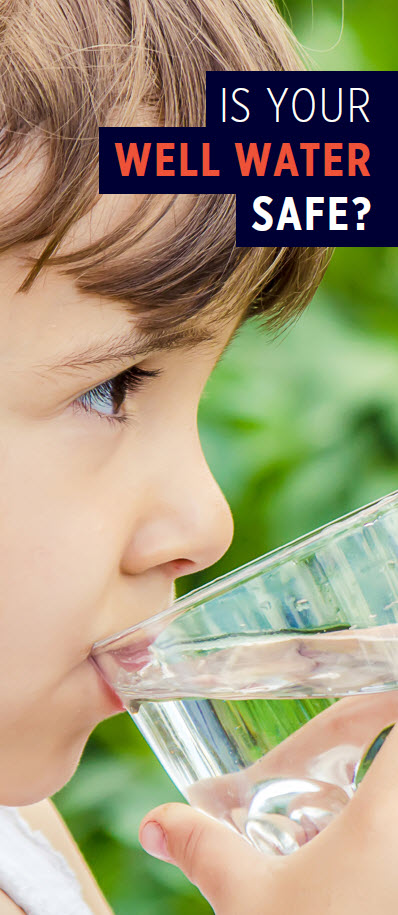
We are planning a seventh printing of our “Is Your Well Water Safe?” brochure. If you would like to order copies, printed and delivered free of charge, please sign up. We have distributed over 90,000 brochures to stakeholders like you to provide to well owners you serve. These brochures are ideal for county and health departments, laboratories, extension offices, technical assistance providers, and other well stakeholders to provide basic guidance and to highlight your programs as a partner to the Private Well Class.
We look forward to working with you to re-supply your existing stock of brochures, or providing you with your very first batch, and we are very grateful for the tremendous response these brochures have received and are so glad they are helpful in efforts to support private well owners.
You can request brochures at the form linked below. They are completely free and there is space left for you to add your own label as well. There are versions available in both English and Spanish. We expect to print and mail them right after this year's Private Well Conference in May. If you need copies of the current brochure before that, we have limited quantities available now. The new printing will include several updates to the brochure.
|
| Submit a request » |
|
|
|
|
Partner Events & Workshops |
|
|
|
Texas Well Water Screenings
February 2-3: Bastrop and Lee counties
February 9-10: Briscoe and Hall counties
Hosted by Texas Well Owner Network
TWON has two upcoming water well screening events for residents of Bastrop & Lee counties (Sample drop-off February 2; results meeting February 3) and Briscoe & Hall counties (Sample drop-off February 9; results meeting February 9).
Find further information on times, locations, and sampling instructions at the event listings below:
Bastrop/Lee || Briscoe/Hall
|
|
|
|
Septic System Workshop
February 16 | 10:00 am CT | Texas A&M – Kingsville
Hosted by Texas Well Owner Network
This free workshop will focus on best practices for operating and maintaining home septic systems; primarily for residents of Jim Wells, Duval, Nueces, and Kleberg counties. Texas A&M AgriLife wastewater specialists will be available to answer attendees’ questions about septic systems. Participants will also learn about a grant program providing a limited number of free septic system pump-outs to homeowners in the Petronila Creek and San Fernando Creek watersheds.
Register by calling the Kleberg-Kenedy Extension Office at 361-595-8566.
More information.
|
|
|
|
Private Well: Disaster Recovery Webinar
February 18 | 12 pm CT | Online
Hosted by Midwest Assistance Program
This free webinar will assist stakeholders and well owners by providing them with post-emergency and disaster recovery guidance.
Register here. |
|
|
|
Virginia Drinking Water Clinics
February 25 | Various locations
Hosted by the Virginia Household Water Quality Program & Virginia Cooperative Extension
The Virginia Household Water Quality Program drinking water clinics typically run from February to November each year. Covering about 70 counties, these clinics provide homeowners a chance to have their well water testing at a reduce rate.
For 2026, the first clinics will be held on February 25 in Augusta, Bath, Highland, Rockbridge, and Rockhingham counties.
Find the preliminary list of dates, locations, and registration information here.
|
|
|
|
|
|
1. Winter Well Care at a Glance
2. Protect Your Well, Your Water, and Your Wallet This Winter
Wellowner.org
In the wake of brutal winter weather affecting such a large portion of the country, it's a good time to consider how extreme cold and winter storms can impact private wells. Wellowner.org has two helpful webpages to point well users towards to help them understand what they can do to protect their wells and their drinking water when severe winter weather hits!
|
| Winter Well Care at a Glance » |
|
|
| Protect Your Well, Your Water, and Your Wallet This Winter » |
|
|
|
|
Featured Video:
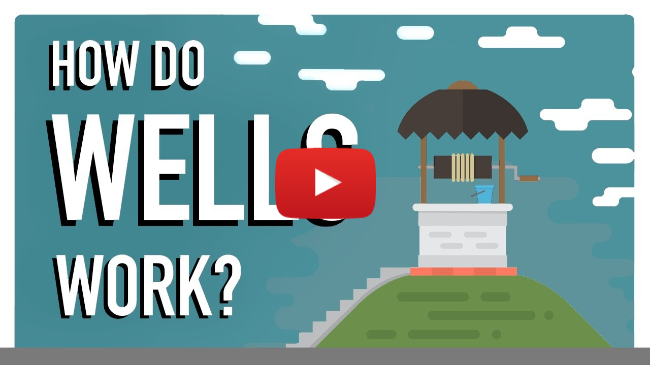
How Do Water Wells Work?
|
|
|
 |
|
This video, brought to you by Concerning Reality, explains the very basics of how water wells function, which they correctly note are some of the most essential components to developing a sustainable society! For when we run into someone who doesn't understand the first thing about a well, this video is a place to point them to help them start. |
| Watch the video » |
|
|
|
|
|
PrivateWellClass.org is a free, grant-funded service to support private well owners and the professionals that work with these wells. The program seeks to raise awareness of private well issues and help well owners understand their responsibilities to be a good steward of their well and water source. The Private Well Class, developed at the Illinois State Water Survey at the University of Illinois Urbana-Champaign, is a collaboration with the Rural Community Assistance Partnership with funding from the U. S. Environmental Protection Agency. Call us at 1-866-945-0699 for assistance. |
|
|
|
|
|
Visit our other websites: |
|
|
|
|
|
|
|
Click here to unsubscribe | Sent to: _t.e.s.t_@example.com
Illinois State Water Survey, 2204 Griffith Drive, Champaign, IL 61820, United States |
|
|