DecentralizedWastewater.org Newsletter for August 2026
|
|
|
|
|
|
SepticSmart Week Is One Month Away
|
 |
|
SepticSmart Week is one month away! This year’s event is the 14th annual SepticSmart Week, and will run from September 14-18, 2026. The week provides a prime opportunity for septic system stakeholders nationwide to educate others about the necessity of properly caring for and maintaining septic systems.
You’ll see homeowner education events, sponsored workshops, septic-focused social media, and hopefully plenty of proclamations from government entities recognizing the occasion throughout the week. Head to the SepticSmart Week hub at the US EPA website to learn more about participating, find educational materials, and start to make a plan for what you can do during SepticSmart Week.
You can also check out our SepticSmart blog posts from previous years: "Septic System Disasters: Cautionary Tales from the Tank" and "Getting Ready for SepticSmart Week." And be sure to keep an eye out for new SepticSmart content from us too!
|
|
|
|
|
|
|
|
|
Register for the 2026 Onsite Wastewater Mega-Conference |
|
|
|
|
|
Registration for this October’s Onsite Wastewater Mega-Conference is now open — For both attendees and exhibitors! Early bird rates are available through September 20.
This year, the National Onsite Wastewater Recycling Association (NOWRA), National Association of Wastewater Technicians (NAWT), and the State Onsite Regulators Association (SORA) are putting the event on in Westminster, Colorado, with the help of the Colorado Professionals in Onsite Wastewater (CPOW). The conference, scheduled for October 25-28, is a great chance to get high quality education and training, network with peers across the country, and stay up-to-date on developments in the onsite/decentralized industry.
|
|
|
| Register to attend the conference with NOWRA » |
|
|
|
|
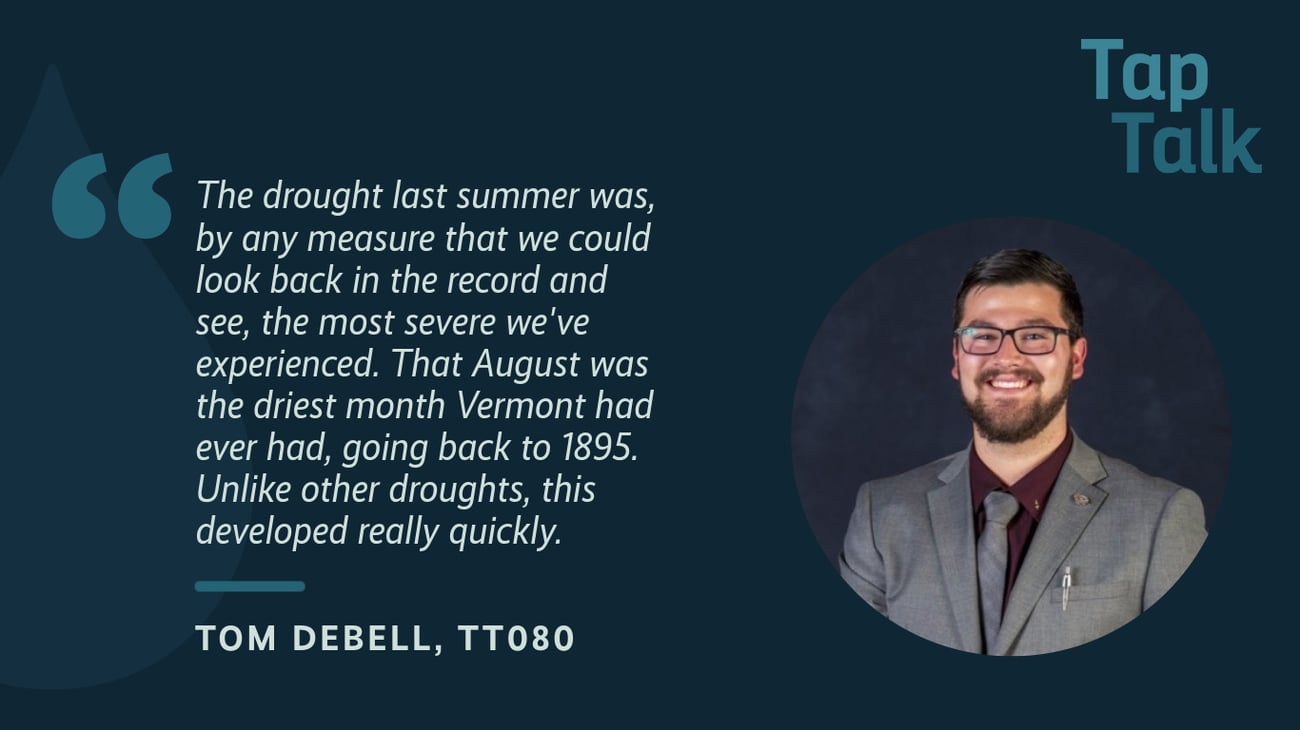
TT080 – What We Can Learn from Vermont's Flash Drought |
|
|
 |
|
For the 80th episode of Tap Talk, we were pleased to talk with Tom DeBell, an environmental health engineer at the Vermont Department of Health. Tom told Steve and Jennifer about the intense flash drought that Vermont (and other northeastern states) experienced in the summer of 2025, particularly how the drought impacted private well users in the state. They also discussed the steps that the health department took to help well owners maintain their wells and educate the public on obtaining adequate water supplies during the water crisis.
|
|
|
|
|
|
|
Visit Our Team at the Illinois State Fair
|
|
|
 |
|
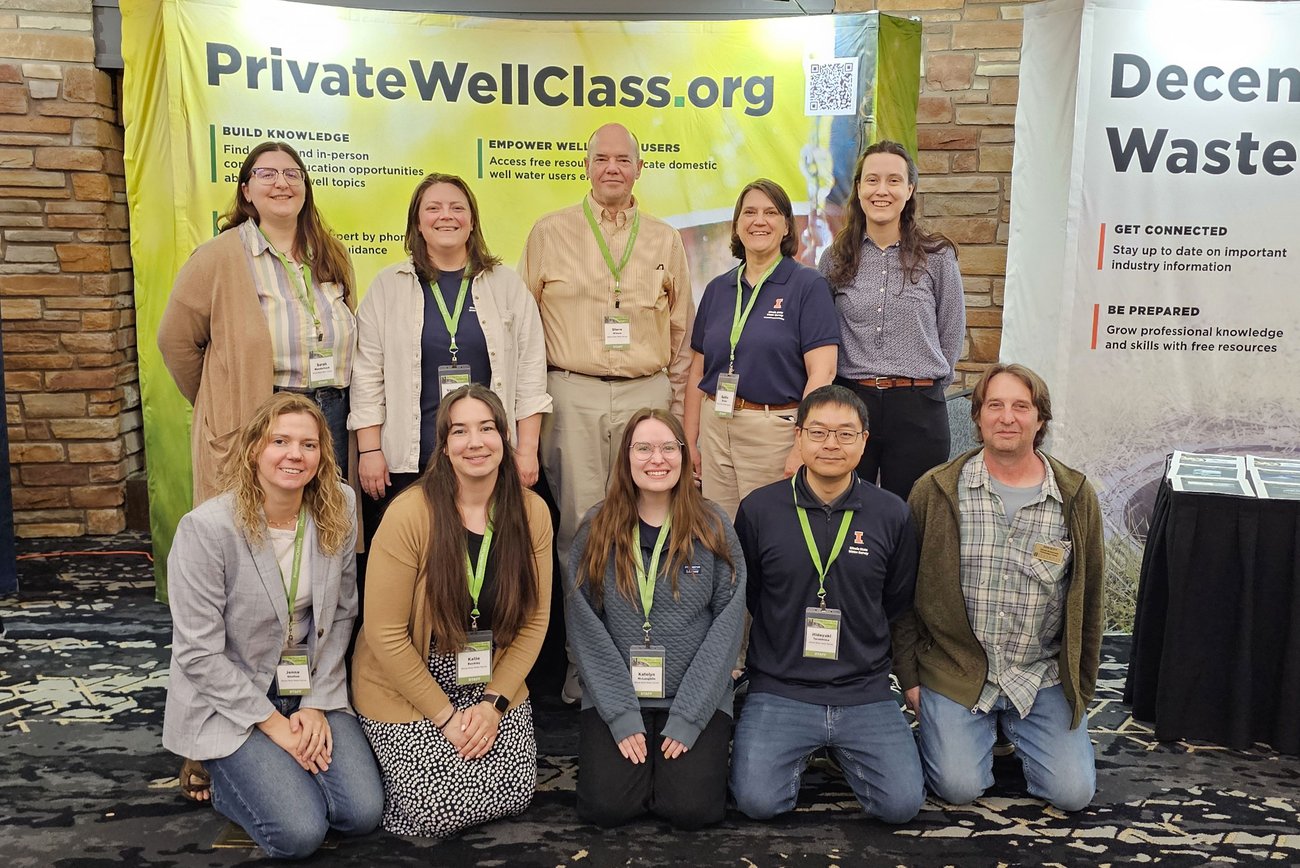
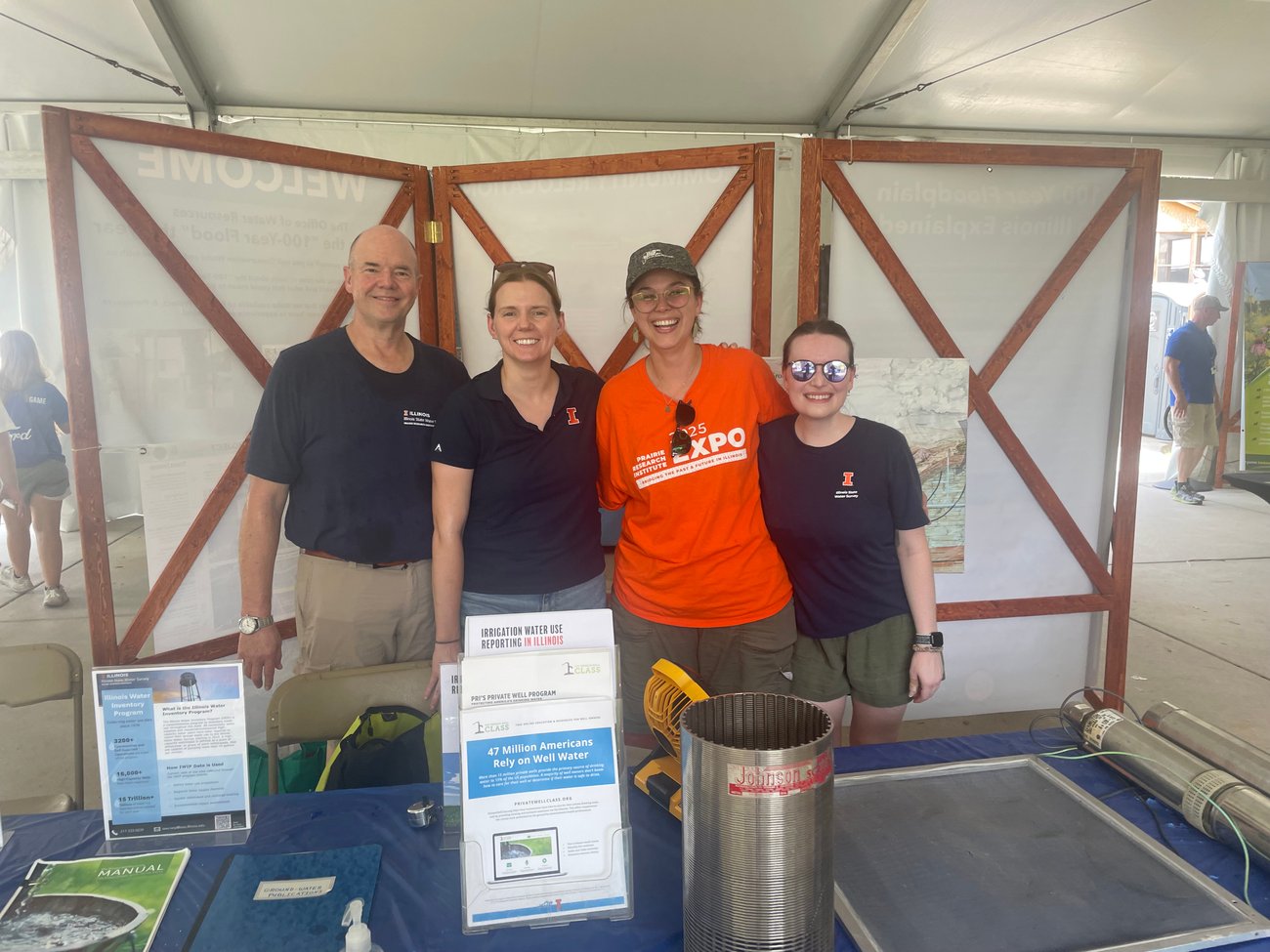
Private Well Class Program Director Steve Wilson, Illinois State Water Survey Director Jenna Shelton, and Private Well Class staff Erin Huggett & Katelyn McLaughlin at the 2025 Illinois State Fair in Springfield, Illinois.
For our fellow Illinois residents and homeowners:
The Illinois State Fair kicked off last week, and our Private Well Class/DecentralizedWastewater.org team is working it as we have done for many years! Come visit us in the fair’s Conservation World this weekend (August 21-23) from 10 am - 7 pm. We will primarily have information about our private well outreach programs, as well as our groundwater flow and private well pump models to educate and entertain all visitors. However, we will be happy to talk septic systems with homeowners who might have questions about how their well and septic impact each other.
We’re looking forward to seeing you there this weekend! |
| Buy tickets for the State Fair at Illinois.gov » |
|
|
|
|
|
|
Featured Webinars & Training |
|
|
|
Rainwater Harvesting:
Overview and Solutions for Capturing Rainwater
August 19 | 1:00 pm ET | Infiltrator Water Technologies (IWT)
Rainwater harvesting is the process of collecting and storing rainwater for reuse, reducing reliance on conventional water sources. It helps conserve water and promote sustainable water management. This webinar will provide an overview of the benefits of rainwater harvesting, system design and necessary components to support those designs.
Register to attend with IWT »
|
|
|
|
Septic System Basics for Homeowners
August 20 and August 27 | 5:00 pm CT | Communities Unlimited
Join these webinars to learn how septic systems work and how proper maintenance can help prevent costly repairs while protecting public health and the environment. Participants will gain a basic understanding of septic system components, including the septic tank and drain field, recognize common causes and warning signs of system failure, and learn practical maintenance tips to keep their systems operating efficiently.
Register to attend on 8/20 »
Register to attend on 8/27 »
|
|
|
|
Private Well and Septic System Webinar Series
September 1 (English) | 2:00 pm ET
September 3 (Spanish) | 2:00 pm ET
University of Florida Extension
At this installment of Florida Extension's four-part webinar series on wells and septic, attendees will learn how septic systems work, the differences between conventional and nitrogen-reducing systems, routine maintenance practices, what should and should not go into a system, and how to help extend the life of a septic system.
Register to attend the webinar series with Florida Extension »
|
|
|
|
Basic Pump Systems
September 3 | 9:00 am PT | Orenco Systems
There’s a lot to consider when using a pump in a wastewater application. Even a “basic” pump system isn't necessarily quite so basic. In this webinar, Orenco will look at different pumping applications and the various parts of a pumping system and also give you some tips for a successful installation.
Register to attend with Orenco »
|
|
|
|
Supporting Decentralized Wastewater Systems: Funding and Technical Assistance
September 3 | 1:00 pm ET | Environmental Finance Center Network
In this webinar, EFCN will explore two innovative programs supporting onsite wastewater system owners in maintaining and repairing their systems, and discuss the methods communities have used to fund these programs.
Register to attend with EFCN » |
|
|
|
Septic-Smart for Homeowners
September 16 | 6:00 pm ET | RCAP Solutions
This webinar will cover basics of wastewater biology, soils, components of a conventional system, operation & maintenance, and innovative/alternative systems.
Register to attend with RCAP Solutions » |
|
|
|
Matching the Solution to the Site
September 16 | 1:00 pm ET | Infiltrator Water Technologies (IWT)
This presentation challenges the one-size-fits-all approach to septic design by emphasizing that every site has unique characteristics that must drive system selection. It highlights the importance of aligning system components with site conditions, regulations, and available technologies. Attendees will explore a range of solutions, from conventional systems to advanced treatment units (ATUs) and combined treatment and dispersal (CTD) systems. This webinar provides practical insights to help designers and installers select effective, site-appropriate systems.
Register to attend with IWT »
|
|
|
|
|
Highlights from Onsite Installer Magazine
|
|
|
|
Evaluating the Condition of Septic Tanks Just Got Easier
In this article, a septic professional explores how he and his coworkers have used 360 cameras to create a new inspection methodology for evaluating the inside of septic tanks. They have found that using cameras makes conditions assessments easier and more accurate; and allows for a clearer view of tank interiors than the traditional mirror-and-spotlight method. Improved visual inspection capabilities can help wastewater professionals better identify tank defects and overall system condition.
|
| Read at Onsite Installer Magazine » |
|
|
|
|
|
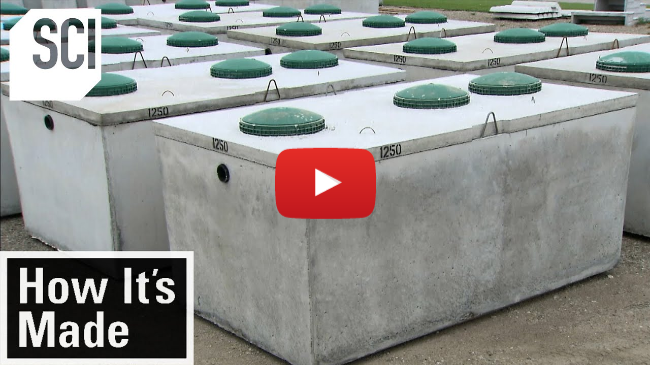
How It's Made: Septic Tanks
Science Channel
This five-minute video, from the Science Channel's popular How It's Made TV series, explains how a concrete septic tank is manufactured: from welding a steel rebar cage and assembling the mold to pouring, vibrating, and curing the concrete. After the tank and lid are removed from their forms and sealed together, the finished tank is labeled, transported, and installed underground at a customer's home.
|
| Watch on YouTube » |
|
|
|
|
|
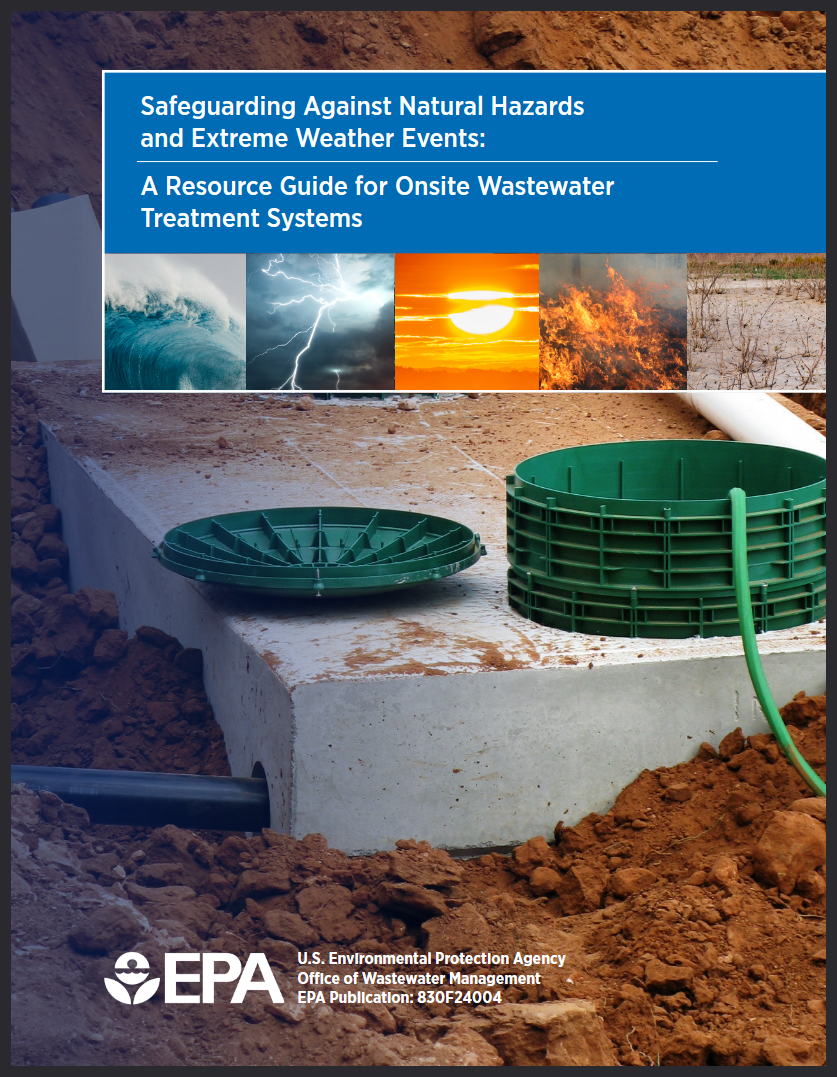
Safeguarding Against Natural Hazards and Extreme Weather Events: A Resource Guide for Onsite Wastewater Treatment Systems
US Environmental Protection Agency
This 32-page guidance document explains how natural hazards and extreme weather — including flooding, sea level rise, drought, extreme temperatures, and wildfires — can impair septic systems through saturated drainfields, reduced treatment performance, and infrastructure damage, creating risks to public health and water quality. It also provides practical resilience and adaptation strategies, including planning, infrastructure, policy, monitoring, and outreach approaches that communities and regulators can use to better protect and manage onsite wastewater treatment systems under changing environmental conditions.
|
| Read the document » |
|
|
|
|
|
|
|
Visit our other websites: |
|
|
|
|
|
|
|
Click here to unsubscribe | Sent to: _t.e.s.t_@example.com
Illinois State Water Survey, 2204 Griffith Drive, Champaign, IL 61820, United States |
|
|