|
Newsletter #125 for May 2026 |
|
|
|
|
The Private Well Conference Kicks Off in 18 Days! |
 |
|
|
|
|
 |
|
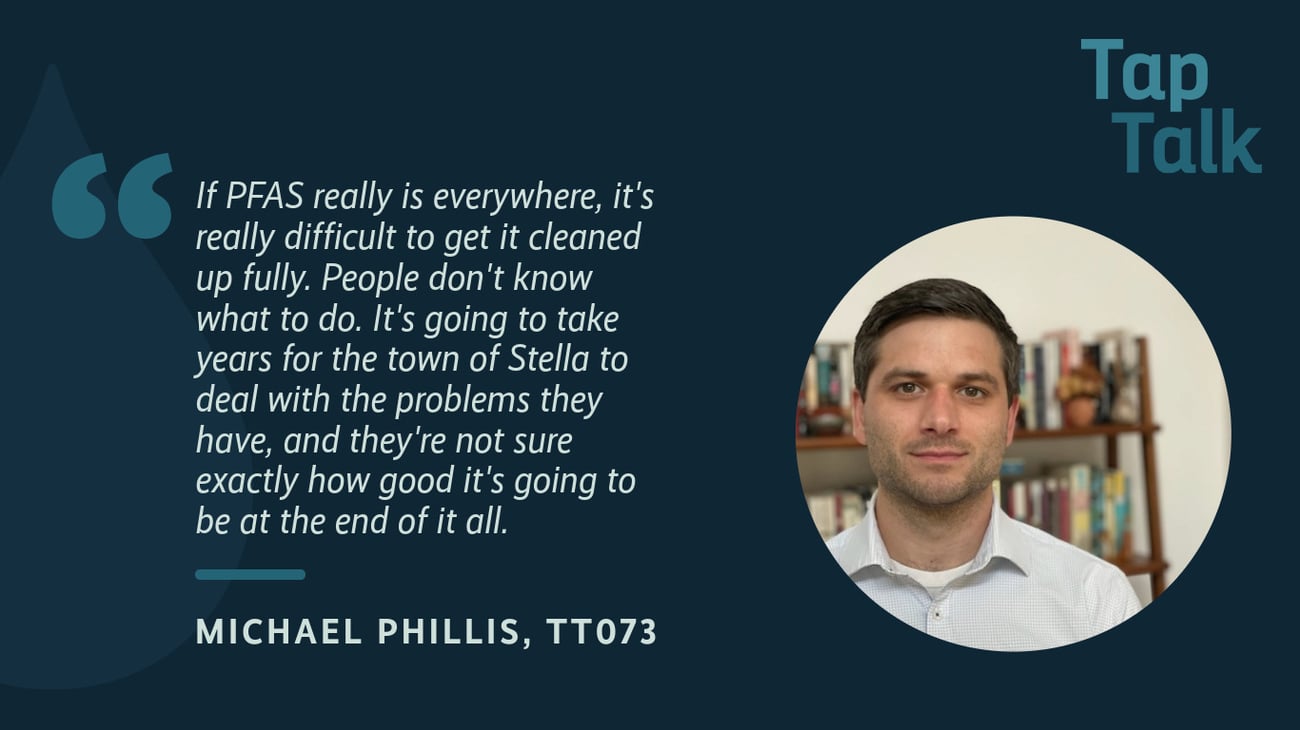
Tap Talk: The Drinking Water in Rural America Podcast has returned for Season 7! In the first episode of the new season, we welcomed Michael Phillis (a water & environment reporter for the Associated Press) to the show. Michael tells Jennifer & Steve about how he got into environmental reporting, the importance and range of stories about water, and the experience of co-reporting the recent long-form investigation “A crisis emerges across the US as ‘forever chemicals’ quietly contaminate drinking water wells." This story centers the well contamination crisis in Stella, Wisconsin, a town of ~600 people in northern Wisconsin, where some well water tests have found PFAS concentration levels of 375 times the federal limit for drinking water connected to a nearby paper mill.
|
| 🎧 Listen here 🎧 |
|
|
|
|
|
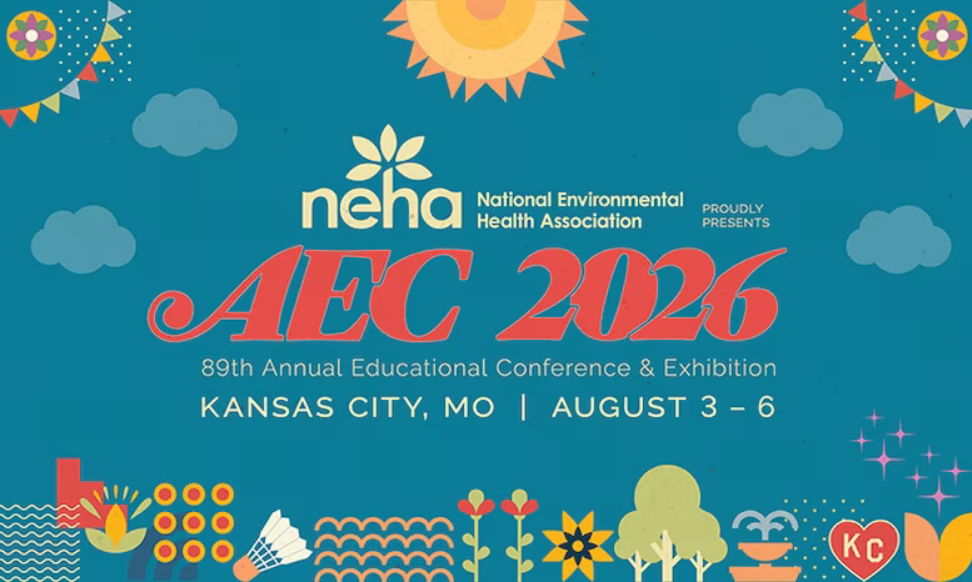
Three Months Until NEHA's Annual Educational Conference & Exhibition 2026
|
 |
|
Registration remains open for this August's Annual Educational Conference & Exhibition from the National Environmental Health Association! This year's AEC will be held from August 3-6, 2026, in Kansas City, Missouri, at the Sheraton Kansas City Hotel at Crown Center.
This conference is an annual opportunity for the brightest minds in environmental health to connect and strengthen the professional field. Per NEHA:
"This year's theme, Woven Strong: The Environmental Health Tapestry, reflects how every thread, whether it's your expertise, your experiences, or your innovations, interlaces with others to create a stronger, more resilient future for public health."
The Private Well Class will be in attendance with a booth in the exhibit hall and the presentation "What's In Your Well Water: Determining What Contaminants to Test For" on Wednesday, August 5, at 9 am. Make sure to connect with us!
In-person and virtual registration options are available. NEHA is also seeking abstracts for poster presentations for the conference until May 8, 2026. |
| More information » |
|
|
From the Help Center |
|
|
|
|
|
|
Upcoming Webinars & Recent Recordings |
|
|
|
Groundwater and Well Construction 101
May 13, 2026 | 1 PM CT
Hosted by PrivateWellClass.org
This free webinar will provide an opportunity to ask questions about types of wells and well construction, the basic components of a well system, and water treatment options.
Register »
We would love your support in distributing this information. Please feel free to share this link. |
|
|
|
How to Find Local Information and Help
June 10, 2026 | 1 PM CT
Hosted by PrivateWellClass.org
In this webinar you’ll learn how to find local resources for well information and assistance. The webinar will address topics such as methods for finding well logs, records, and information about your well; finding well drillers, contractors, and financial help programs; and when to sample, what to sample for, and best practices to protect your well system.
Register »
We would love your support in distributing this information. Please feel free to share this link.
|
|
|
|
What Environmental Health Professionals Need to Know about Homes with Well Water
Recorded on April 15, 2026
This webinar explained groundwater, well construction, water quality, and well care best practices for environmental health professionals and others who serve well owners.
Watch Recording » |
|
|
|
Outreach Strategies for Working with Private Well Owners
Recorded on March 4, 2026
This webinar answered questions such as how to effectively engage private well owners, how to develop an outreach program to well owners, and best practices for managing a well owner program.
Watch Recording » |
|
|
|
|
|
Nitrate is quietly polluting rural drinking wells. How researchers are working to help
MPR News
Nitrate pollution of rural water wells continues to be a contamination challenge. Particularly across the Midwest and Great Plains, the large-scale use of fertilizer on farm fields and at livestock facilities is increasing the pace of nitrate pollution. Researchers are testing wells across the region and working on efforts to communicate the vulnerability of different aquifers and the price of groundwater pollution so that the public can better understand the extent of the issue.
|
| Read here » |
|
|
|
|
Partner Events & Workshops |
|
|
|
Understanding Septic Systems from Basic to Best Practices
May 5 | 5 pm ET | Online
Hosted by RCAP Solutions
Attendees at this webinar can learn the basics of how decentralized septic systems work and what to do to keep one running safely and efficiently. This free training walks homeowners through system components, everyday maintenance tips, common myths, what to do in an emergency, and when advanced treatment technologies may be needed.
Register here. |
|
|
|
From Problem to Plan: Understanding and Financing Your Well and Septic Components
May 5 | 6 pm CT | Online
Hosted by Communities Unlimited
This free online training will cover the responsibility and unexpected costs of owning private wells and/or septic systems. Attendees will learn how to identify common problems and risks, understand options for repairs or upgrades, and access to affordable financing designed specifically for rural homeowners.
Register here. |
|
|
|
Virginia 2026 Drinking Water Clinics
May 6 & 13 | Various locations
Hosted by the Virginia Household Water Quality Program & Virginia Cooperative Extension
The Virginia Household Water Quality Program drinking water clinics typically run from February to November each year. Covering about 70 counties, these clinics provide homeowners a chance to have their well water testing at a reduced rate.
Find the full list of dates, locations, and registration information here. |
|
|
|
Texas Well Water Screenings
May 7-8: Bowie, Cass, Morris, and Red River counties
May 19-20: Kerr County
May 20-22: Sutton, Kimble, Real, Edwards, Uvalde, & Kinney counties
Hosted by Texas Well Owner Network
TWON has three upcoming water well screening events for residents of various Texas counties. Find further information on times, locations, and sampling instructions at the individual event listings:
May 7-8 || May 19-20 || May 20-22
|
|
|
|
Understanding & Maintaining Your Private Well
May 12 | 5:30 pm PT | Yakima, WA
Hosted by RCAC
At this free training, participants will learn why regular water testing is important, what to test for, and how to interpret results. RCAC will also discuss practical steps to take to protect a well from potential sources of contamination and to maintain safe, reliable drinking water.
Register here. |
|
|
|
Understanding & Maintaining Your Septic System
May 12 | 6:30 pm PT | Yakima, WA
Hosted by RCAC
At this free training, homeowners can learn how to operate and maintain their septic systems to protect community health and the environment. Identification of potentials problems, drain field protection, and proper waste disposal will also be covered.
Register here. |
|
|
|
Private Wells & Environmental Health Professionals Webinar
May 21 | 2:00 pm MT | Online
Hosted by RCAC
This 2-hour webinar is designed for partners and stakeholders to learn how to conduct private well assessments while providing technical assistance, education, and outreach to private well owners. Participants will learn how assessments and water quality testing can help identify potential risks and ensure private well owners have safe drinking water.
Register here. |
|
|
|
Private Water Supply Education and Water Testing
May 27 | 1 pm ET | Online
Hosted by Penn State University Extension
This webinar is designed for people who manage a private drinking water supply. Penn State Extension will cover how to test and protect a well or spring and when water treatment might make sense. They will also discuss well and spring system inspection and maintenance so attendees will know how to protect families, properties, and the groundwater we share.
Register here. |
|
|
|
Best Practices for EHS Professionals: Outreach & Education for Private Well Owners
June 3 | 9 am PT | Online
Hosted by RCAC
This training is directed towards environmental health professionals and provides an overview of private wells and the importance of proper care. It will cover an introductory to well components, treatment techniques and guidelines on well maintenance. It will also dive into conducting private well assessments and providing outreach and education to users of private wells.
Register here. |
|
|
|
|
Save the Date for SepticSmart Week 2026! |
|
|
|
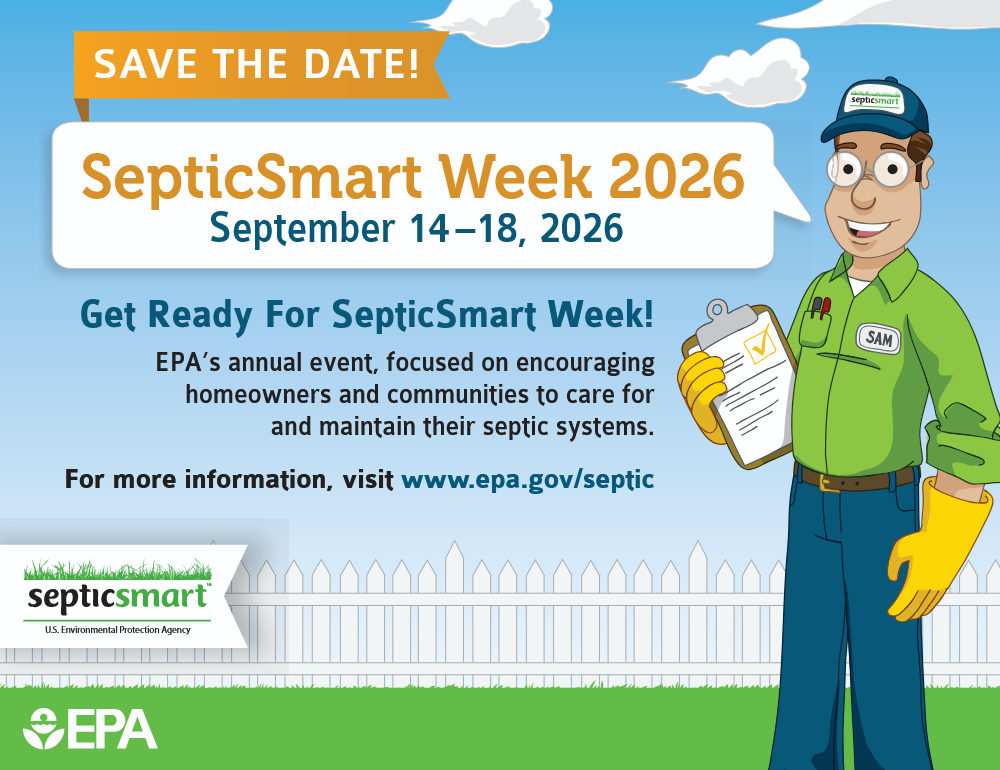
This year's SepticSmart Week is just over four months away! It's never too early to start planning for this yearly opportunity to call attention to the necessity of properly caring for septic systems. Homeowner education events, training workshops, and social media campaigns are key components of the week's events.
Make sure to mark September 14-18 on your calendar! Keep an eye on the US EPA's Septic Systems homepage, as well as other sources like NOWRA and DecentralizedWastewater.org, for more information and ideas on how you can participate.
|
|
|
|
|
|
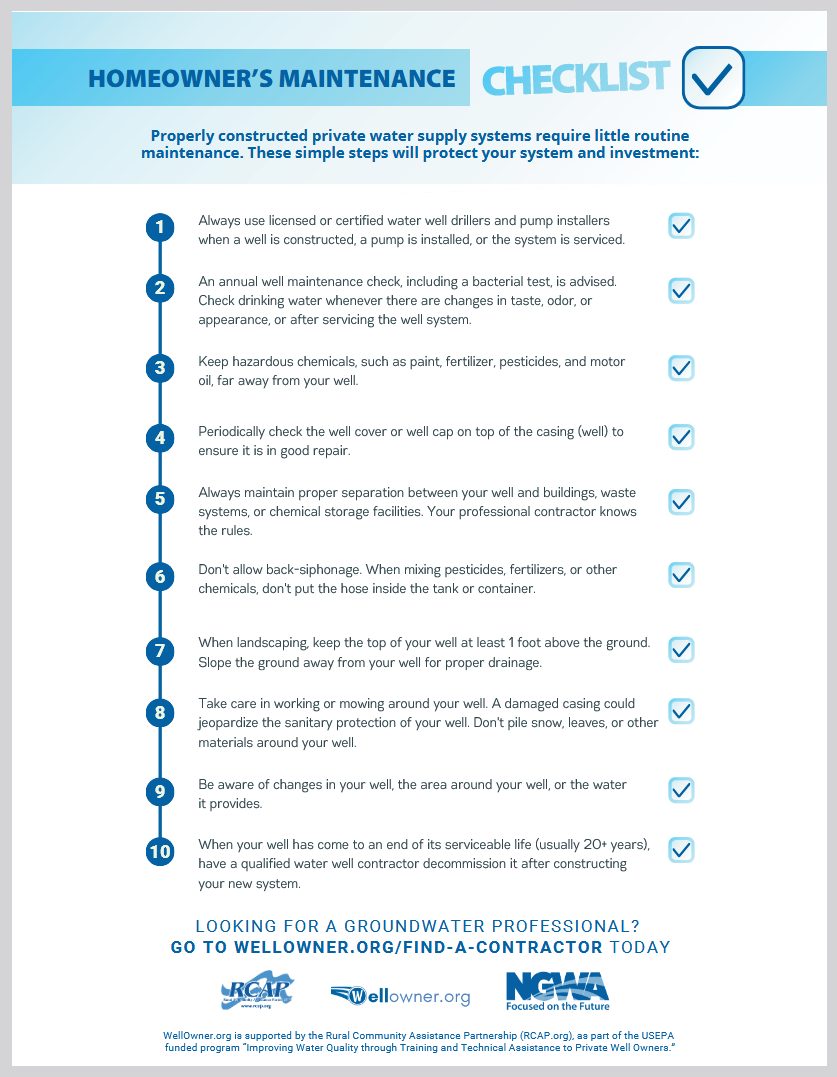
Homeowner’s Maintenance Checklist
Wellowner.org
This new checklist from Wellowner.org provides a simple list of basic maintenance tasks for well owners to follow so that they may keep their wells in good order. Good basic maintenance practices helps to reduce risks to well owners' water supplies and prevent costly, inconvenient repairs.
|
| View the checklist » |
|
|
|
|
Featured Video: Lead In Well Water
|
|
|
 |
|
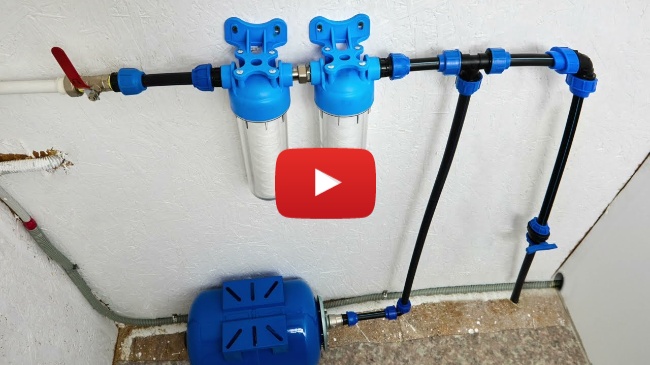
This video, brought to you by the Rural Community Assistance Partnership, demonstrates what private well owners can do to protect themselves against lead in their well water, how to identify whether there is lead present in the well water, and how to reduce lead levels if they are indeed present.
|
| Watch the video » |
|
|
|
|
|
PrivateWellClass.org is a free, grant-funded service to support private well owners and the professionals that work with these wells. The program seeks to raise awareness of private well issues and help well owners understand their responsibilities to be a good steward of their well and water source. The Private Well Class, developed at the Illinois State Water Survey at the University of Illinois Urbana-Champaign, is a collaboration with the Rural Community Assistance Partnership with funding from the U. S. Environmental Protection Agency. Call us at 1-866-945-0699 for assistance. |
|
|
|
|
|
Visit our other websites: |
|
|
|
|
|
|
|
Click here to unsubscribe | Sent to: _t.e.s.t_@example.com
Illinois State Water Survey, 2204 Griffith Drive, Champaign, IL 61820, United States |
|
|