|
Newsletter #126 for June 2026
|
|
|
|
|
Wrapping Up the Private Well Conference 2026
|
 |
|
|
|
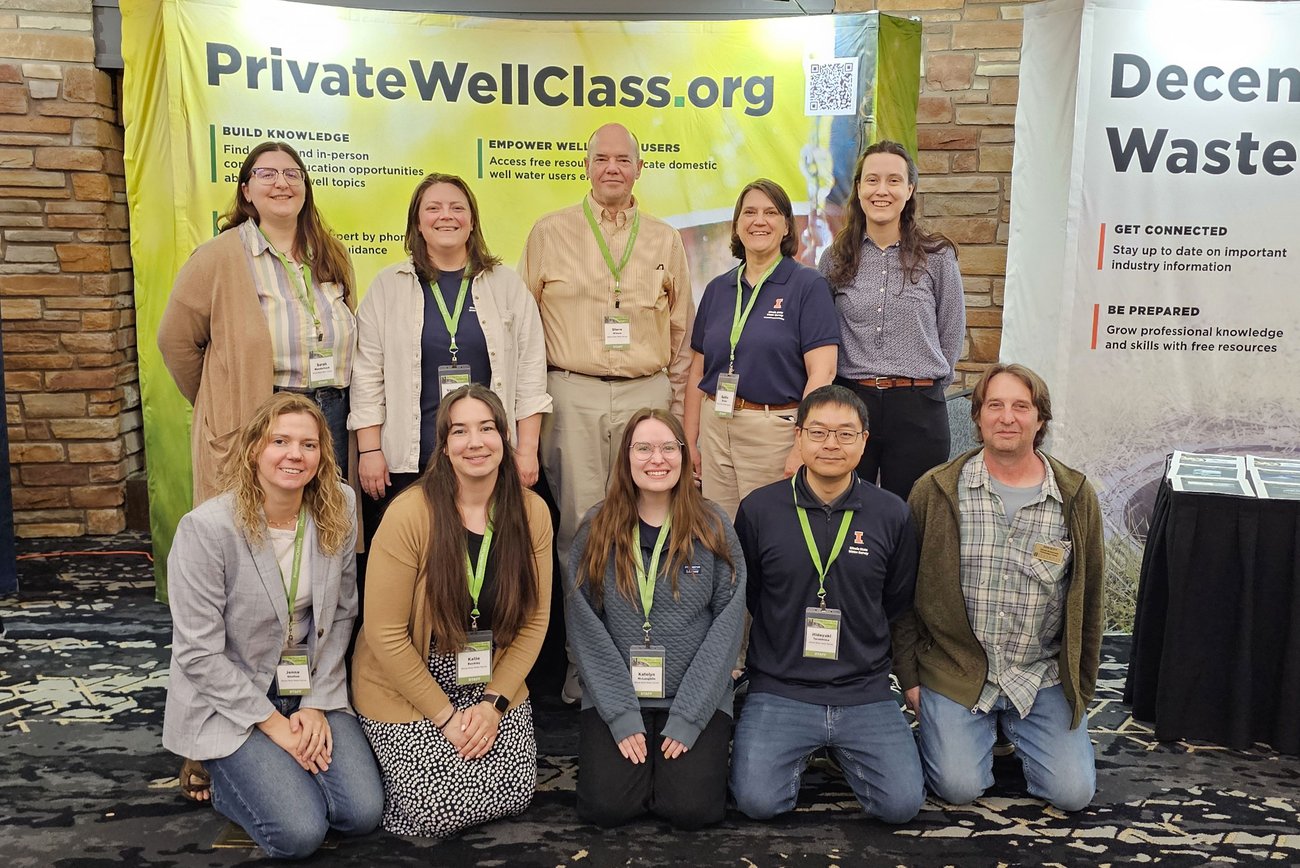
We would like to extend a huge thank you to everyone who attended, presented, and moderated at our Private Well Conference 2026 last month! The conference featured 27 speakers, 12 lightning talk presenters, and 94 attendees from 29 states!
Our team was thrilled at the conference's success and the opportunity to put on the event in Missoula. We are already planning and considering new locations for the Private Well Conference 2027, so keep an eye on these newsletters and our social media for word on next year’s event.
Another thing to look out for: This year’s presentations will be posted on our YouTube channel to view in full later this summer. In the meantime, if you’re seeking any further information on a presentation, speaker, or topic from this conference, send us an email at info@privatewellclass.org.
Once again, thank you from our whole team, and see you next year! |
|
|
|
Last Call for 'Is Your Well Water Safe?' Brochure Orders
|
 |
|
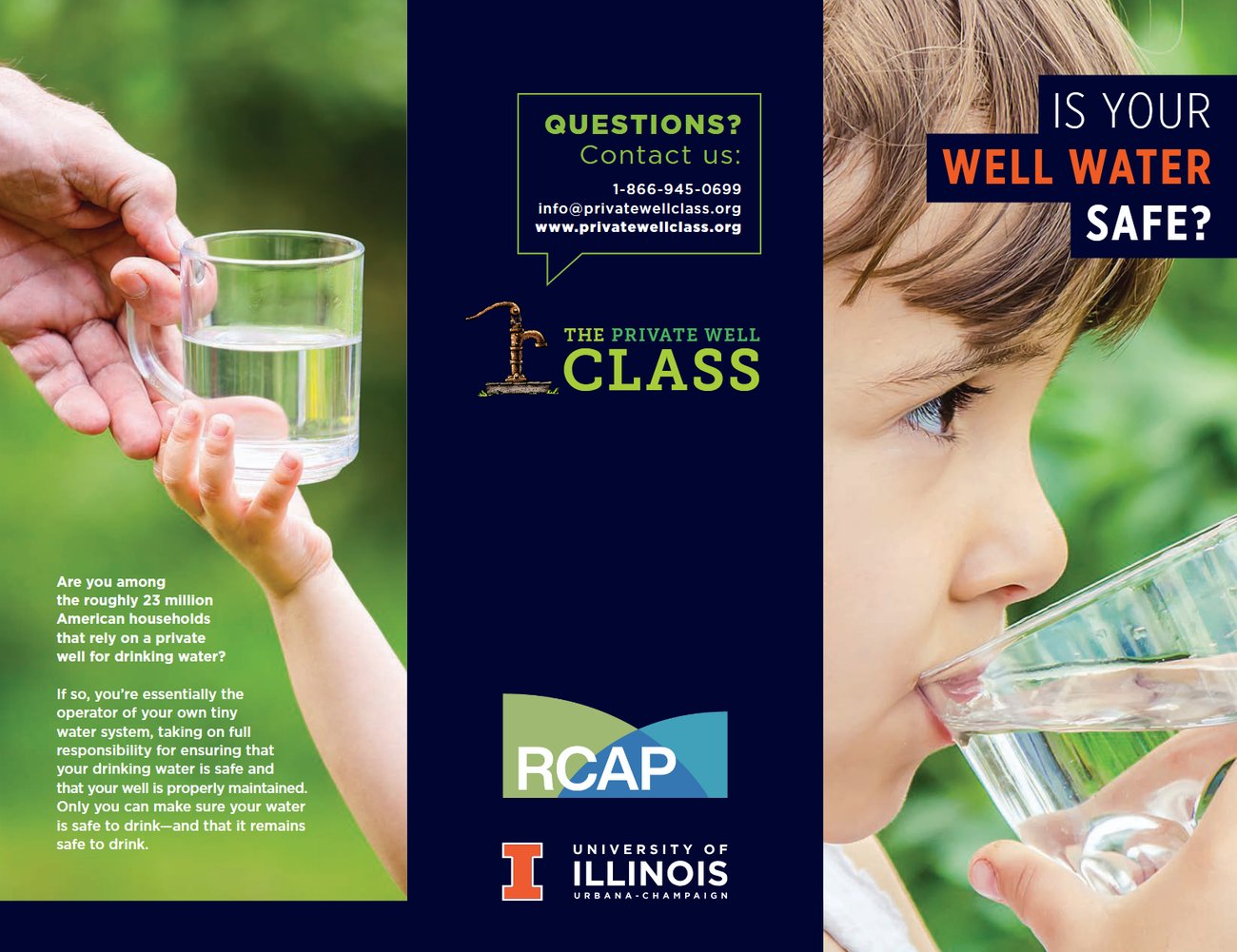
This is the last call for the latest round of orders for FREE copies of our "Is Your Well Water Safe?" brochures!
These brochures are appropriate for county and state health departments, laboratories, extension offices, technical assistance providers, and other well stakeholders to hand out directly to the well owners they work with and serve.
Both English- and Spanish-language versions of the brochures are available. They are completely free, and are meant to provide basic guidance to well owners in addition to highlighting your programs as a partner to the Private Well Class.
You can request brochures at the form linked below. We expect to mail the orders later this spring.
|
| Order your brochures at our request form » |
|
|
|
TT074 – Mitigating Legionella Risks in Water Systems:
Lessons from a Microbiologist
|
|
|
 |
|
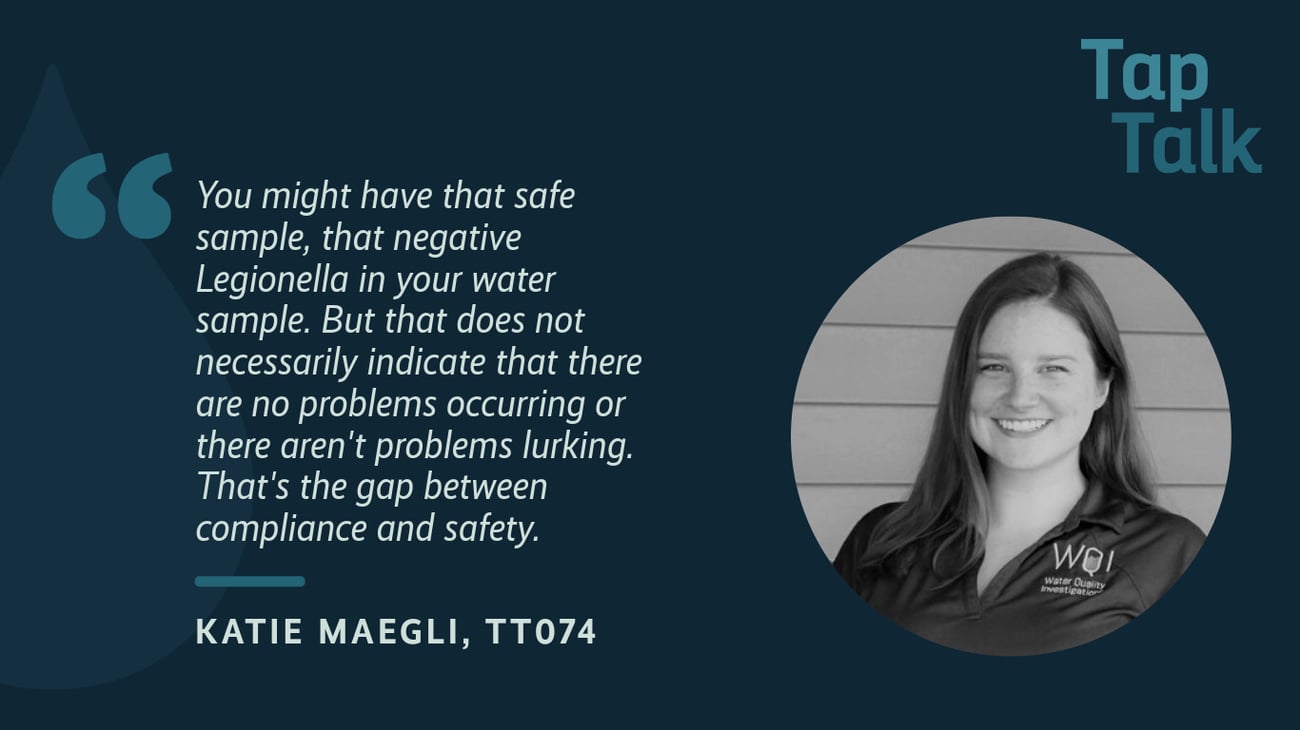
For the second episode of Tap Talk Season 7, we welcomed Katie Maegli of Water Quality Investigations to Tap Talk! WQI is a private water testing lab in southern Wisconsin, where Katie serves as the lab’s microbiologist with specializations in buildings’ water systems and Legionella management. This conversation dives deep into Legionella; from where the bacteria is commonly found, the regulatory guidelines that help reduce Legionella risk, the actions individuals can take to avoid Legionella growth in their wells, health impacts from Pontiac fever and Legionnaires’ disease, and the complexities of accurate testing of Legionella.
|
|
|
|
|
|
|
|
|
Upcoming Webinars & Recent Recordings |
|
|
|
How to Find Local Information and Help
June 10, 2026 | 1 PM CT
Hosted by PrivateWellClass.org
In this webinar you’ll learn how to find local resources for well information and assistance. The webinar will address topics such as methods for finding well logs, records, and information about your well; finding well drillers, contractors, and financial help programs; and when to sample, what to sample for, and best practices to protect your well system.
Register »
We would love your support in distributing this information. Please feel free to share this link. |
|
|
|
Septic Systems 101
July 9, 2026 | 1 PM CT
Hosted by PrivateWellClass.org
In this free webinar training, you'll learn about septic system management as part of a larger strategy to protect the water in your private well.
Register »
We would love your support in distributing this information. Please feel free to share this link. |
|
|
|
Groundwater and Well Construction 101
Recorded on May 13, 2026
This webinar answered questions about types of wells and well construction, the basic components of a well system, and water treatment options.
Watch Recording »
|
|
|
|
What Environmental Health Professionals Need to Know about Homes with Well Water
Recorded on April 15, 2026
This webinar explained groundwater, well construction, water quality, and well care best practices for environmental health professionals and others who serve well owners.
Watch Recording »
|
|
|
|
|
|
As a Colorado Aquifer Runs Low, Dangerous Heavy Metals Threaten Rural Communities’ Drinking Water
Inside Climate News
Residents of Colorado's San Luis Valley who rely on private wells are facing multiple challenges to the future of their groundwater supply and the safety of their water. Megadrought, aquifer overuse, and record-low snowpack all threaten the availability of groundwater in the area. But these factors also increase the concentrations of heavy metals in the water, which while present for decades, are now also causing clear changes in well users' drinking water.
|
| Read here » |
|
|
|
|
Partner Events & Workshops |
|
|
|
Best Practices for EHS Professionals: Outreach & Education for Private Well Owners
June 3 | 9 am PT | Online
Hosted by RCAC
This training is directed towards environmental health professionals and provides an overview of private wells and the importance of proper care. It will cover an introductory to well components, treatment techniques and guidelines on well maintenance. It will also dive into conducting private well assessments and providing outreach and education to users of private wells.
Register here.
|
|
|
|
Virginia 2026 Drinking Water Clinics
June 3, 10, & 24 | Various locations
Hosted by the Virginia Household Water Quality Program & Virginia Cooperative Extension
The Virginia Household Water Quality Program drinking water clinics typically run from February to November each year. Covering about 70 counties, these clinics provide homeowners a chance to have their well water testing at a reduced rate.
Find the full list of dates, locations, and registration information here.
|
|
|
|
Protect Your Water: Well Care & Emergency Readiness
June 9 | 1 pm MT | Online
Hosted by RCAC
This training introduces private well owners to the essentials of maintaining safe and reliable drinking water in Idaho. Participants learn basic well care, water quality, and emergency preparedness practices. The training also covers climate impacts and natural disasters that can affect water supply and quality. Attendees gain information and resources to prepare for emergencies and protect their well systems long term.
Register here. |
|
|
|
Train-the-Trainer: Private Wells
June 9 | 1 pm AKST | Online
Hosted by RCAC
This training will focus on the core elements of private well assessment and testing: System operation, common hazards, proper sampling, and testing. The focus is on not only helping attendees understand the material, but also preparing them to effectively teach it to others.
Register here. |
|
|
|
Water Wise:
Private Wells, Rainwater Harvesting, and Water Smart Lawns
June 11: Floresville, Texas
June 12: Leming, Texas
Hosted by Texas Well Owner Network (TWON)
TWON has two upcoming events where attendees can both learn about rainwater harvesting and water conservation for their lawns, and also have their well water screened for free.
June 11 || June 12 |
|
|
|
Well Water Screenings: South Texas
June 22-26 | Various locations
Hosted by Texas Well Owner Network (TWON)
TWON has nine upcoming water well screening events for residents of various areas in Texas from June 22-26. Find further information on times, locations, and sampling instructions at the TWON's website, linked below.
More information »
|
|
|
|
Septic System Basics for Homeowners
June 23 | 1 pm CT | Online
Hosted by Communities Unlimited
This training provides homeowners with a clear understanding of how septic systems work and how to care for them. The training covers best practices for everyday use including what to avoid putting down drains, water conservation strategies, and how to recognize early warning signs of septic system problems.
Register here. |
|
|
|
Private Water Supply Education and Water Testing
June 24 | 1 pm ET | Online
Hosted by Penn State University Extension
This webinar is designed for people who manage a private drinking water supply. Penn State Extension will cover how to test and protect a well or spring and when water treatment might make sense. They will also discuss well and spring system inspection and maintenance so attendees will know how to protect families, properties, and the groundwater we share.
Register here.
|
|
|
|
|
Funding Support for Well Testing in Minnesota
|
|
|
|
In Minnesota, the state department of health (MDH) has issued a Request for Proposals (RFP) for the Private Well Protection Grant they have received from the Clean Water Fund. Eligible entities may request funding that will support activities to promote and provide well water testing within Minnesota communities.
The RFP will close on July 17. Head to the MDH website for more information (including eligibility requirements and application instructions) and to find dates for upcoming online Q&A sessions.
For an example of activities the funding may support, read this recent press release from the Horizon Public Health Department, which is now offering test kits at 50% off!
|
|
|
|
|
|
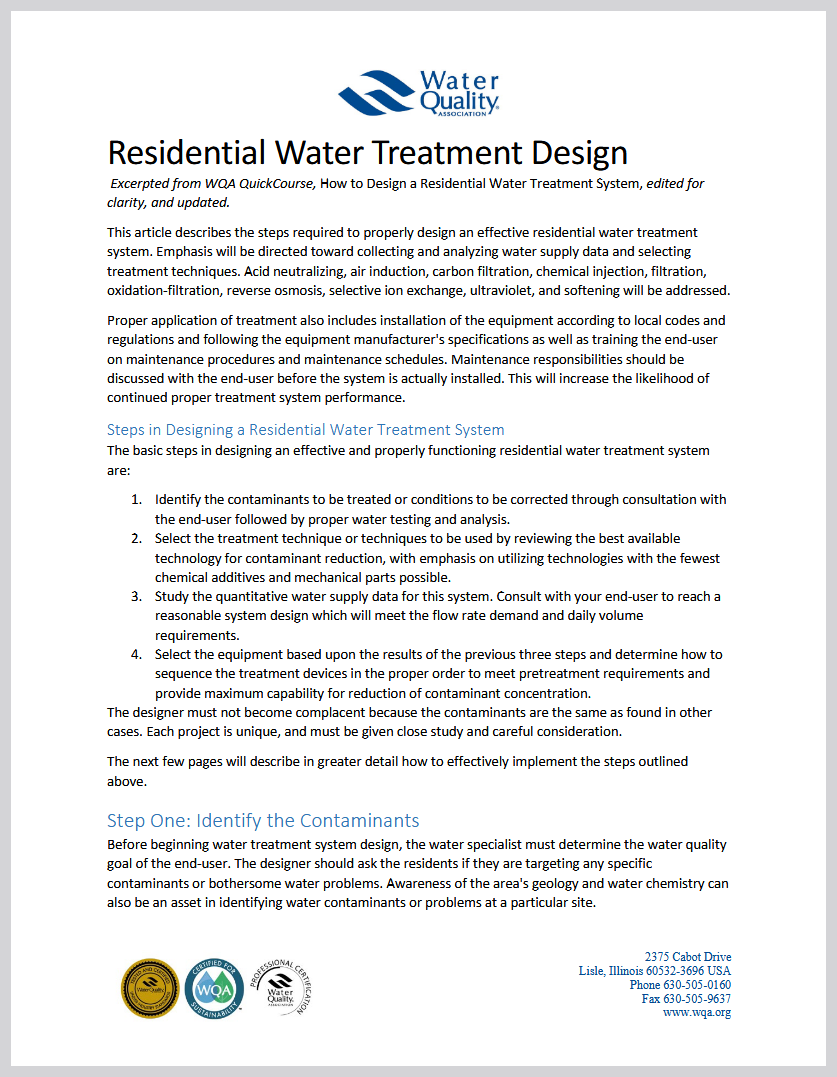
Residential Water Treatment Design
Water Quality Association
This article, excerpted from the Water Quality Association's QuickCourse "How to Design a Residential Water Treatment System," covers collecting and analyzing water supply data and selecting treatment techniques for homes with a private well. Topics including acid neutralizing, air induction, carbon filtration, chemical injection, filtration, oxidation-filtration, reverse osmosis, selective ion exchange, UV, and softening are also covered.
|
| View the article » |
|
|
|
|
Featured Video: Groundwater Well Monitoring Abandonment
|
|
|
 |
|
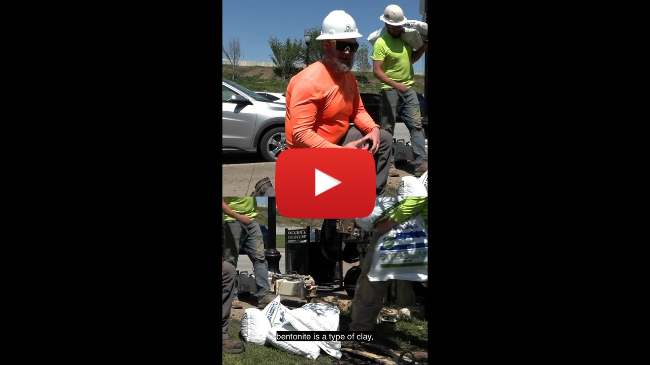
This video, brought to you by the Louisville Metro TV, documents the process of abandoning and decommissioning the groundwater monitoring well in the former manufacturing/industrial area of Louisville that now holds Slugger Field. This well was an essential part of the remediation of the site and the protection of the groundwater. While monitoring wells are not the same as drinking water wells, the principles and steps of properly abandoning the wells are still valuable to understand!
|
| Watch the video » |
|
|
|
|
|
PrivateWellClass.org is a free, grant-funded service to support private well owners and the professionals that work with these wells. The program seeks to raise awareness of private well issues and help well owners understand their responsibilities to be a good steward of their well and water source. The Private Well Class, developed at the Illinois State Water Survey at the University of Illinois Urbana-Champaign, is a collaboration with the Rural Community Assistance Partnership with funding from the U. S. Environmental Protection Agency. Call us at 1-866-945-0699 for assistance. |
|
|
|
|
|
Visit our other websites: |
|
|
|
|
|
|
|
Click here to unsubscribe | Sent to: _t.e.s.t_@example.com
Illinois State Water Survey, 2204 Griffith Drive, Champaign, IL 61820, United States |
|
|