|
Newsletter #428 - March 19, 2026 |
|
|
|
|
 |
Cybersecurity Risks Rising for Water Utilities |
|
Water-sector leaders should be aware of the cybersecurity guidance coming from U.S. EPA, CISA, FBI, NIST, and WaterISAC in light of the current conflict in the middle east. Cyberattacks, on‑site intrusions, and AI‑driven risks are accelerating, and utilities of all sizes are being targeted. The agencies highlighted real‑world incidents, emerging vulnerabilities, and the urgent need for stronger cyber hygiene, faster reporting, and smarter use of automation in a threat briefing on February 26, 2026. Water Online provided a list of resources from this briefing with links to no‑cost tools, assessments, and training resources that are available to help utilities boost resilience immediately.
Upcoming Cybersecurity Webinars from U.S. EPA
Cybersecurity 102 Training | Register
April 1, 2026 | 1:00 - 2:30 PM ET
Cybersecurity 103 Training | Register
April 8, 2026 | 1:00 - 2:30 PM ET
-
This training builds on EPA’s Cybersecurity 102 Training for Water Systems, providing further details on cybersecurity threats facing the water sector. Participants will learn about state-sponsored threats, risks to Industrial Control Systems (ICS) and Supervisory Control and Data Acquisition (SCADA) systems, malware, and vulnerabilities within Human-Machine Interfaces (HMIs). The course also highlights real-world cybersecurity incidents impacting water systems, emphasizes the importance of staying informed on emerging threats, and outlines incident reporting processes and available cybersecurity resources to support preparedness and resilience.
Water Sector Cybersecurity Vulnerability Snapshot Quarterly Webinar | Register
April 9, 2026 | 2:00 - 3:00 PM ET
Cybersecurity Refresher Training | Register
April 15, 2026 | 1:00 - 2:00 PM ET
-
This refresher training to water and wastewater utilities will reinforce their foundational understanding of cybersecurity and how it applies to the water sector. This training will cover topics from Cybersecurity 101, Cybersecurity 102, and Cybersecurity 103 trainings.
Cybersecurity Procurement Checklist Tool Training | Register
April 29, 2026 | 1:00 - 2:30 PM ET
Building Cyber Resilience Using EPA’s Water and Wastewater Cybersecurity Incident Response Plan Template | Register
April 30, 2026 | 1:00 - 2:30 PM ET
-
EPA invites water sector professionals to learn about its new Drinking Water and Wastewater Systems Cybersecurity Incident Response Plan Template. This fully customizable template is designed to help all utilities prepare for, respond to, and recover from cybersecurity incidents affecting both information technology (IT) and operational technology (OT) systems. In this webinar you will receive instructions on how utility personnel can access, tailor, and operationalize the plan to meet system-specific needs.
Water Cybersecurity Assessment Tool Training | Register
May 13, 2026 | 1:00 - 2:30 PM ET
Further Resources & Reading...
|
|
|
|
|
 |
Try our free, self-paced cybersecurity course! |
|
In just one hour, course participants will learn about water sector threats, basic cybersecurity measures, incident response, system resilience, and valuable resources, with the goal of fostering a culture of cybersecurity within their organizations.
Regardless of the size of the water system, this course empowers everyone, from field workers to office staff, to contribute to maintaining a reliable and resilient water system.
This course was developed with MassDEP funding through a partnership with UMass. The course content was created by Andrew Hildick-Smith. Please note that Massachusetts operators should take this version of the course.
All students will receive a 1-hour class certificate, but these programs have proactively issued continuing education approval:
- New York DEC (wastewater)
- New York DOH (drinking water)
- New Hampshire DES (drinking water)
|
| Check It Out! |
|
|
|
|
 |
There's still time to register for our upcoming webinar! |
|
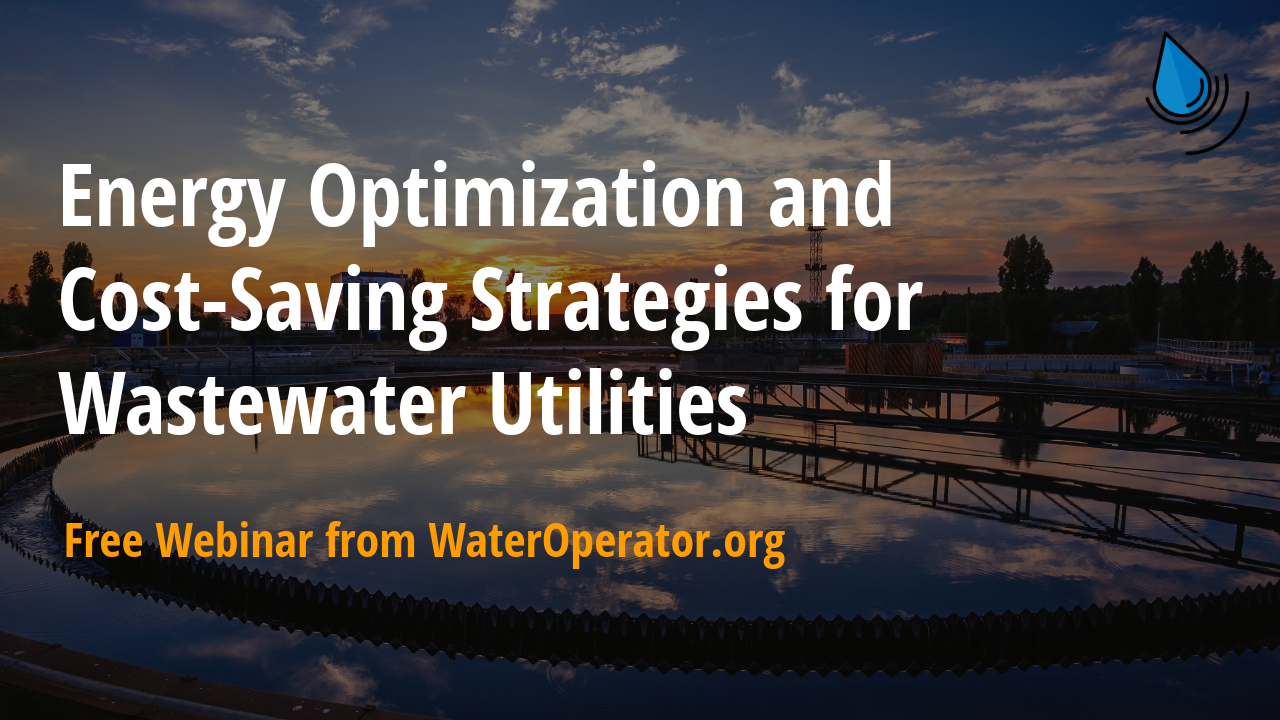
Energy Optimization and Cost‑Saving Strategies for Wastewater Utilities
March 31, 2026 | 10:00 AM CDT
This webinar will provide an overview of energy efficiency best practices to reduce operational costs at wastewater facilities. It will include a review of publicly available resources to explore cost-saving improvements and demonstration of our search tools at WaterOperator.org to find additional free resources and training events.
This webinar series from WaterOperator.org covers topics relevant to wastewater operators, including funding, asset management, compliance, and water quality.
Certificates of attendance will be delivered upon request. Check with your certification body for acceptance criteria. |
| Register Now |
|
|
|
|
Featured Video |
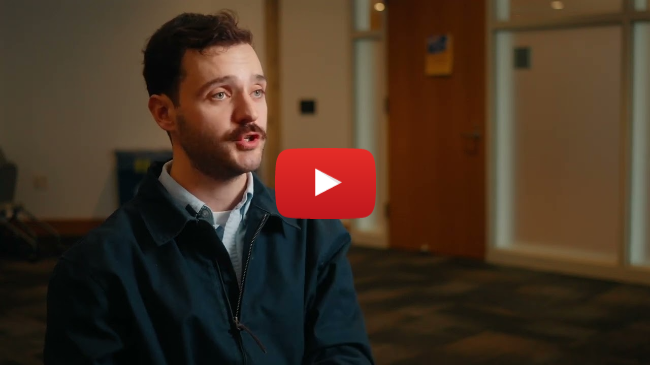 |
Lead Removal Stalled? Blame the Communication Gap
waterloop
"Replacing lead service lines isn’t just a construction project — it’s a communication challenge.
Chris Casey of Boswell Inc shares insights from the front lines of New Jersey’s lead service line replacement work, where utilities are working to remove lead pipes under the state’s 10-year mandate.
One of the biggest lessons? Residents have questions. Lots of them.
While routine utility work might involve a handful of customer interactions each day, lead service line replacement projects can generate dozens of questions from residents — about the process, the timeline, and what the final result will look like.
Chris explains how project teams are helping utilities manage that surge in public interest by creating direct lines of communication, meeting residents in person, and hosting community Q&A sessions before construction begins.
The goal is simple: build trust, answer questions, and keep projects moving forward.
Behind the scenes, Casey and his team also work closely with utilities to review records and identify locations where lead lines may already have been replaced through past projects or emergency repairs — ensuring resources are focused where they’re needed most.
It’s a reminder that replacing lead pipes isn’t just about engineering — it’s about public engagement, coordination, and transparency."
|
|
|
|
|
Community-Led Regional Partnerships Can Help Strengthen Rural Water Systems |
|
Rural utilities across the country are facing mounting pressures from aging infrastructure, workforce shortages and rising operational demands. A new white paper from the National Rural Water Association (NRWA) and the Rural Community Assistance Partnership (RCAP) reveals how voluntary, community-driven regional partnerships are emerging as a powerful strategy to strengthen long-term sustainability while preserving local identity and control.
Drawing on decades of field experience and national system data, the analysis highlights proven partnership models, opportunities for federal policy support and why regionalization succeeds when communities lead the way. If you work with small and rural water systems and have an interest in protecting the long‑term interests of the community you serve, this paper is a must read!
Explore the full white paper to learn how collaborative solutions can help utilities thrive. |
|
|
|
|
Featured Video |
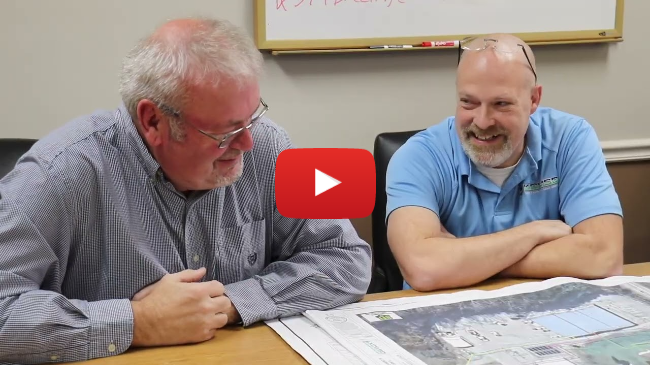 |
Recovering From a Disaster in Kentucky | An RCAP Narrative
Rural Community Assistance Partnership - RCAP
"After a devastating storm near the Kentucky and Tennessee border in 2022, the communities had to rebuild homes, businesses, churches, and infrastructure. RCAP and the Great Lakes Community Action Partnership worked together with the communities to provide bottled water, technical assistance, FEMA applications, and much more. This video showcases the teamwork required to recover from the losses of a natural disaster."
|
|
|
|
|
Applications are due March 31st! |
|
The WEF Operator Scholarship provides funding up to $5,000 dollars for individuals who are seeking water sector operator education, training, or certification to enter the industry or to advance their knowledge, skills, abilities or license.
Application Requirements and Criteria:
-
Individuals seeking an entry-level operator’s license
-
Or, an entry or experienced operator seeking professional development in the following areas:
-
Completed online application including a brief essay on your experience and career goals.
Applications are open until March 31, 2026, and will close at 11:59 PM ET |
| Learn More |
|
|
|
|
|
|
|
Lagoon Viability and Maximization of Performance Through Optimization & Maintenance
March 24, 2026 | 1:00 PM ET
Rural Community Assistance Partnership
This free webinar will include strategies for saving your municipal lagoon, a comparison of operational costs versus the sticker shock often associated with mechanical treatment plants, and affordable polishing treatment options that can help communities meet regulatory standards. |
|
|
|
Building Drought and Wildfire Resilience for Water Sector Utilities: Technical Assistance and Resources from EPA SWIFT
March 25, 2026 | 1:00 PM ET
U.S. Environmental Protection Agency
In this free webinar, learn about the SWIFT technical assistance process, explore online tools for understanding and assessing system risk to these hazards, and review resources for identifying resilient infrastructure projects. SWIFT’s experts can provide hands-on technical assistance to help your utility build resilience to drought and wildfire hazards through risk-informed project planning and investment. |
|
|
|
|
|
|
|
|
|
|
Recent Blog Posts at WaterOperator.org |
|
|
 |
|
Essential Safety Resources for Wastewater Operators
Read Here » |
|
|
 |
|
Preparing for LCRI Compliance: Key Insights from NRWA
Read Here » |
|
 |
|
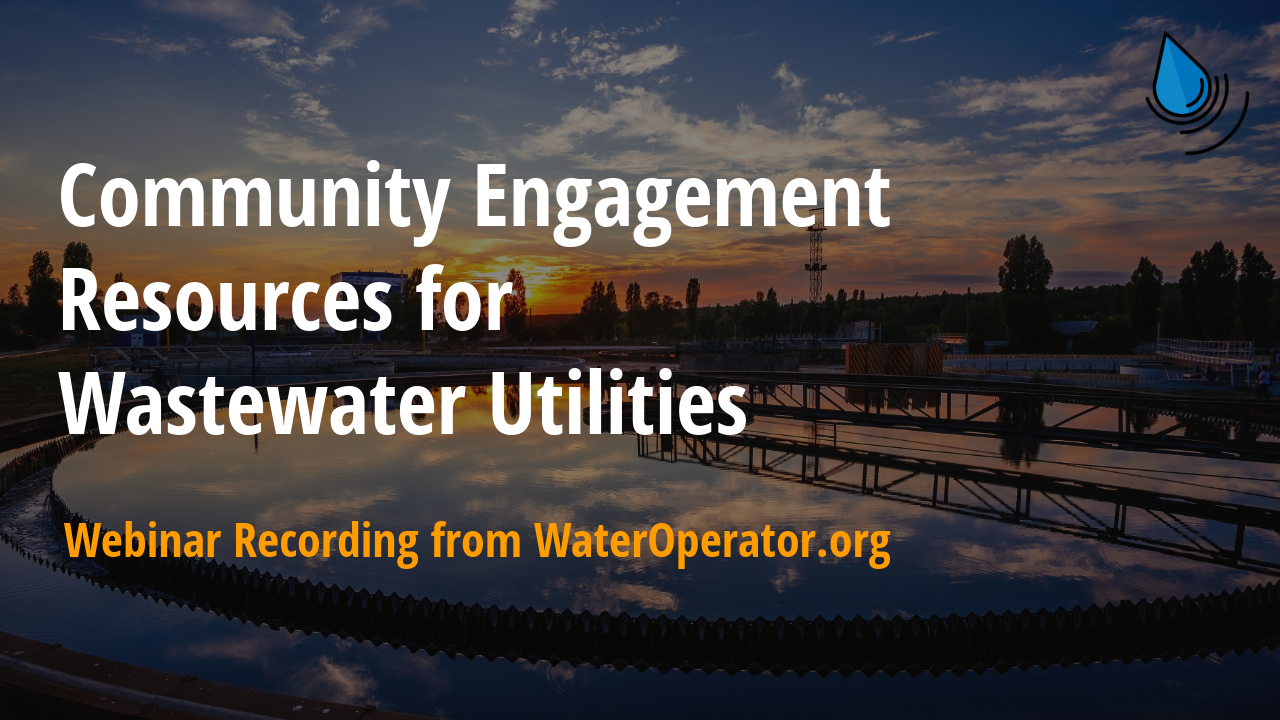
Community Engagement Resources for Wastewater Utilities
Read Here » |
|
|
|
|
|
Groundwater & Well Care for Public Water Systems is a free online course from WaterOperator.org. Certificates are provided and the course is currently pre-approved for 2 hours continuing education credit in a number of states.
Click here to learn more. |
|
|
|
|
|
|
|
|
|
WaterOperator.org is a free service, grant-funded to support small community water and wastewater operators with comprehensive resources and information in one easy-to-use place. We also serve the 800+ training, primacy, and technical service organizations, by helping operators get to their information. We aren't selling or advertising anything. Call us at 1-866-522-2681 for assistance. |
|
|
|
|
|
Visit our other websites: |
|
|
|
|
|
|
|
Click here to unsubscribe | Sent to: _t.e.s.t_@example.com
Illinois State Water Survey, 2204 Griffith Drive, Champaign, IL 61820, United States |
|
|
|
|