|
Newsletter #148 for May 2026 |
|
|
|
|
 |
EPA to Invest $90 Million to Strengthen Water Infrastructure for Tribes and Rural Communities |
|
The U.S. Environmental Protection Agency (EPA) has announced a $90 million investment to strengthen drinking water and wastewater infrastructure in tribal nations and rural communities across the country. The funding will accelerate critical upgrades that protect public health, improve environmental quality, and enhance economic opportunities by ensuring reliable access to clean and safe water systems. EPA leaders emphasized that strong water infrastructure is foundational to thriving communities and long-term environmental stewardship.
Of the total investment, $30 million will be provided in partnership with the Indian Health Service to advance drinking water and wastewater projects in tribal communities. These projects include expanding access to centralized water systems, repairing aging infrastructure, reducing drinking water contaminants, and replacing failing sewage collection and treatment systems. EPA noted that this long-standing partnership helps accelerate practical, on-the-ground solutions that address urgent infrastructure needs in tribal areas.
The remaining $60 million will be directed toward existing EPA programs that support small, rural, and tribal communities, including the RealWaterTA initiative. This program focuses on proven, “back-to-basics” technical assistance such as engineering support, workforce development, operational guidance, and financial management to help systems meet Safe Drinking Water Act and Clean Water Act requirements. This round of funding builds on EPA’s broader commitment, following nearly $300 million announced in 2025 to improve water infrastructure and reduce risks, like lead exposure, in tribal and rural communities.
Further Reading...
|
|
|
|
|
 |
Missed out on our last webinar? Watch the recording! |
|
This webinar, recorded in April 2026, provides an overview of common lagoon system challenges and best practices for improving compliance. It includes a review of publicly available resources for improving lagoon operations and demonstration of our search tools at WaterOperator.org to find additional free resources and training events.
This webinar is part of a series that covers topics relevant to wastewater operators, including funding, asset management, compliance, and water quality.
For informational purposes only. We are unable to offer certificates for watching a video recording.
Recordings of our previous webinars:
|
|
|
|
|
The Ute Mountain Ute Tribe Water Rights Story |
 |
|
Watch this 42-minute documentary "which follows the Ute Mountain Ute Tribe's struggle to be included - along with the Southern Ute Tribe, in the historic Colorado Indian Water Rights settlement, and ultimately to have 'wet water' delivered from the Dolores Project."
Find more videos like this on Robert Marcos Studios' YouTube channel. |
|
|
|
|
 |
Tap Talk Episode 65
Understanding PFAS and Private Wells (Part 1)
In this episode we’re kicking off a two-part series exploring PFAS—also known as “forever chemicals”—and their impact on private well users. Jennifer and Steve are joined by Dr. Jacqueline MacDonald Gibson and Jennifer Hoponick Redmon, two leading experts in environmental health and water quality. Together, they break down the science behind PFAS, discuss how these chemicals enter our water supplies, and share new research on exposure risks for private well users. Our conversation explores the challenges, health implications, and ongoing efforts to protect drinking water in rural communities.
|
|
|
|
|
|
|
The Ute Mountain Ute Tribe Water Rights Story
|
 |
|
"Teri Red Owl, citizen of the Bishop Paiute Tribe and Executive Director of the Owens Valley Indian Water Commission (OVIWC) and AnMarie Mendoza, a Tongva water protector and Paya/Paar outreach director for OVIWC, connect the struggles in Latin America depicted in Water for Life to local struggles led by Native Americans to protect and reclaim water resources of Payahuunadü (the Owens Valley) diverted to Los Angeles. Post-screening conversation moderated by Jessica Cattelino, Director of UCLA's Center for the Study of Women | Barbra Streisand Center.
Water For Life tells the story of three extraordinary individuals: Berta Cáceres, a Lenca Indigenous leader in Honduras; Francisco Piñeda, a subsistence farmer in El Salvador; and Alberto Curamil, an Indigenous Mapuche Chief in Chile, all of whom refused to let government-supported industry and transnational corporations take their water and redirect it to mining, hydroelectric, or large scale industrial agriculture projects."
Find more videos like this on the Hammer Museum 's YouTube channel. |
|
|
|
|
Featured Events for Tribal Water Systems |
|
|
|
Tribal Water Distribution & Treatment System Basics
May 21, 2026 | Blanding, UT
Rural Community Assistance Corporation
This free, in-person training provides a basic overview of water systems. It serves as a valuable refresher for experienced operators and offers essential foundational knowledge for new operators or anyone interested in gaining a better understanding of how a water system operates.
Topics will include groundwater wells and distribution system components such as valves, hydrants, pumps, and motors. We will also cover operations and maintenance practices as well as emergency disinfection procedures. |
|
|
|
Managing Septic Systems in a Changing Climate
June 3, 2026 | 12:00 PM ET
Environmental Finance Center Network
This free online training covers septic systems, which are typically used when a centralized collection system is not available. There are several types of septic systems, and all require maintenance to function properly and prevent harmful discharges into the environment. This training will examine how decentralized wastewater systems operate and how changing climate patterns are affecting their reliability. Participants will learn practical approaches for monitoring and inspecting septic systems, understanding the implications for community health and culturally important resources. The session will also cover practical strategies and resources for supporting homeowners, strengthening system oversight, and developing long-term planning initiatives that incorporate effective monitoring, inspection, and maintenance programs. |
|
|
|
|
|
|
|
|
|
Recent Blog Posts at WaterOperator.org |
|
|
 |
|
Essential Safety Resources for Wastewater Operators
Read Here » |
|
|
 |
|
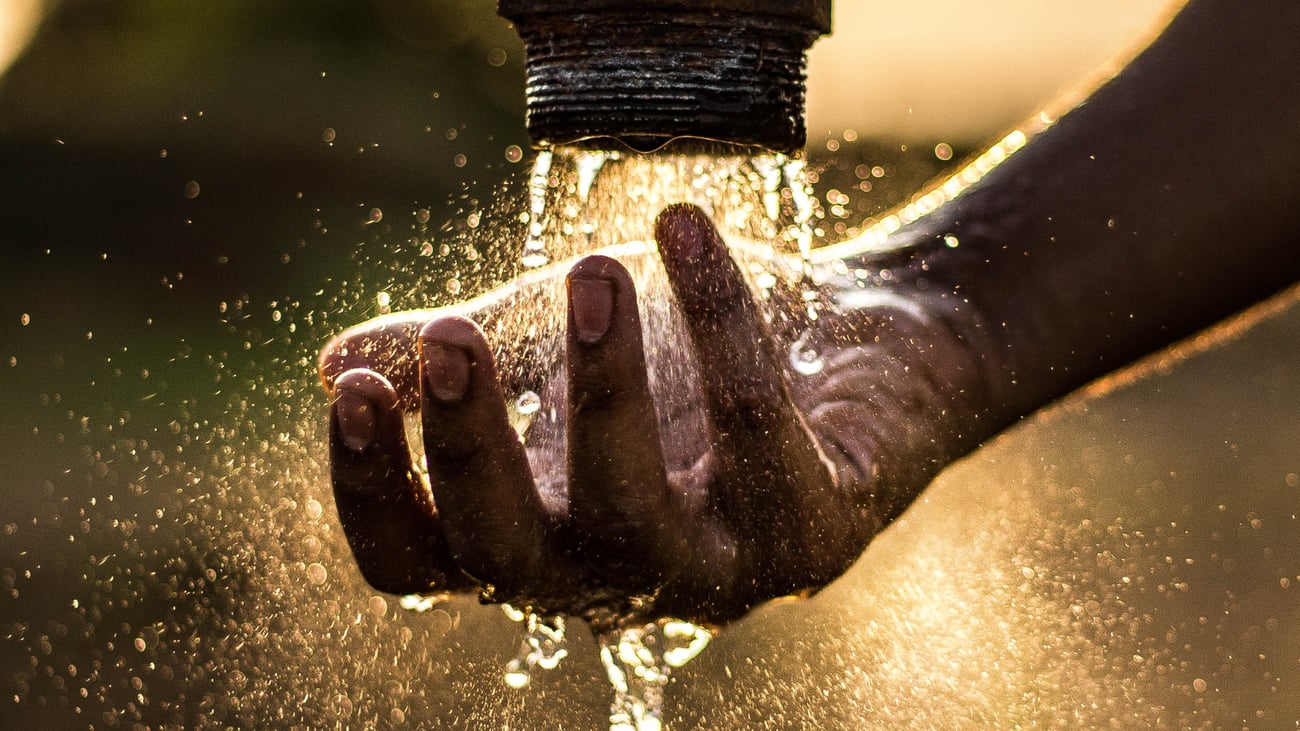
Preparing for LCRI Compliance: Key Insights from NRWA
Read Here »
|
|
 |
|
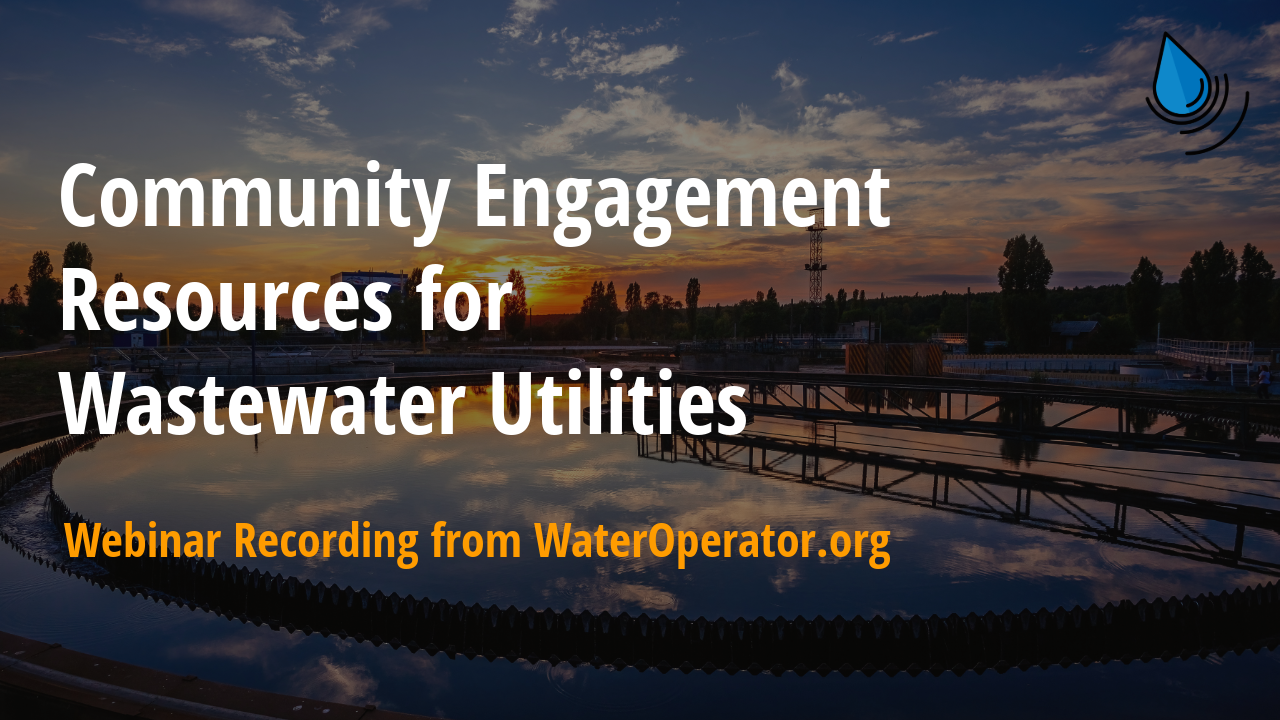
Community Engagement Resources for Wastewater Utilities
Read Here »
|
|
|
|
|
|
Groundwater & Well Care for Public Water Systems is a free online course from WaterOperator.org. Certificates are provided and the course is currently pre-approved for 2 hours continuing education credit in a number of states.
Click here to learn more. |
|
|
|
|
|
WaterOperator.org is a free service, grant-funded to support small community water and wastewater operators with comprehensive resources and information in one easy-to-use place. We also serve the 800+ training, primacy, and technical service organizations, by helping operators get to their information. We aren't selling or advertising anything. Call us at 1-866-522-2681 for assistance. |
|
|
|
|
|
Visit our other websites: |
|
|
|
|
|
|
|
View archive of past issues. | Click here to unsubscribe | Sent to: _t.e.s.t_@example.com
Illinois State Water Survey, 2204 Griffith Drive, Champaign, IL 61820, United States |
|
|


