|
Newsletter #129 for September 2026 |
|
|
|
|
Protect Your Groundwater Day Is September 2!
|
 |
|
|
|
Tomorrow is a very important annual reminder for well owners: That they need to regularly test, tend, and treat their private wells in order to protect the environment and their own health!
Each year on Protect Your Groundwater Day, well owners are encouraged to ACT — That is, to acknowledge, consider, and take action to prevent groundwater contamination.
This video from the National Ground Water Association instructs well owners on how to test their water, tend to their well systems, and treat the water if necessary; and is a great promotional tool for Protect Your Groundwater Day: |
 |
|
Head to Wellowner.org for more information on Protect Your Groundwater Day, further instructions on how to ACT, and shareable graphics for social media. Use the hashtag #PYGWD for any posts you make!
|
| Learn More at Wellowner.org » |
|
|
|
Don't Forget to Celebrate SepticSmart Week
|
 |
|
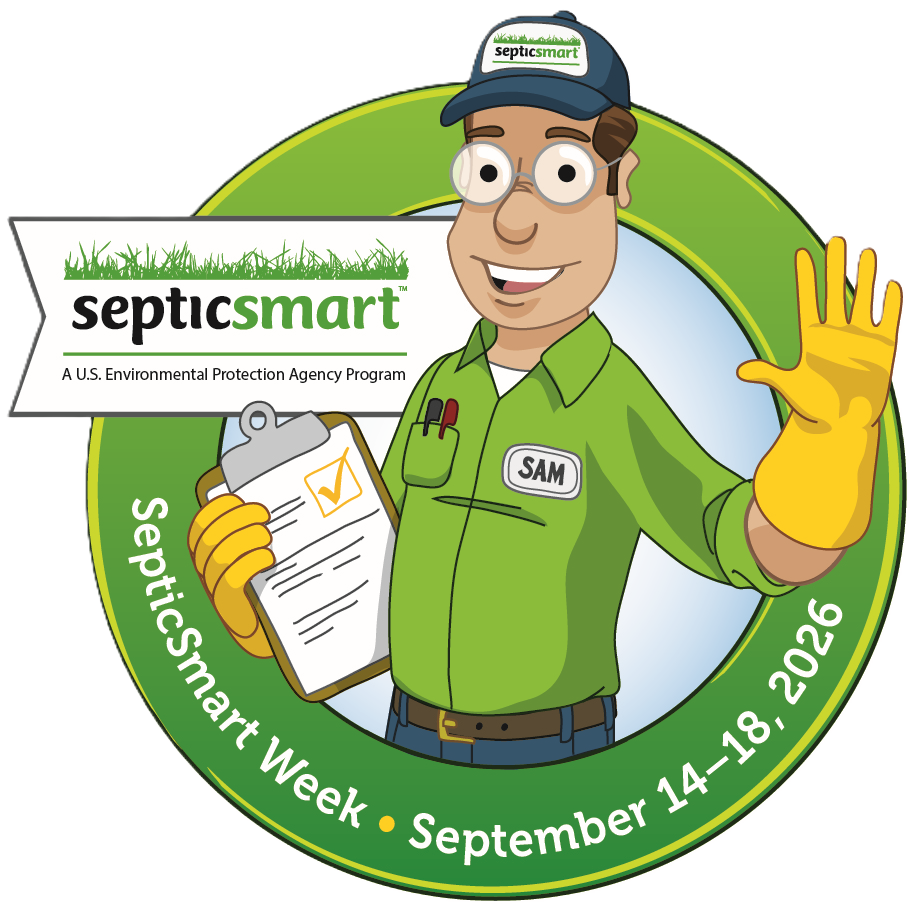
SepticSmart Week is nearly here! We're excited to work with our sister site DecentralizedWastewater.org to join communities, national & local groups, and governments in bringing attention to the importance of caring for and maintaining septic systems.
As we count down the days to SepticSmart Week 2026, check out these resources on septic systems created by The Private Well Class and DecentralizedWastewater.org for ideas on participating in SepticSmart Week, septic owner outreach and education, and the services we provide to both well and septic owners.
|
| SepticSmart Resources at the US EPA » |
|
|
| Septic Systems & Drinking Water at the US EPA » |
|
|
|
Join Us at Our 4-Hour Virtual Workshop for
Environmental Health Professionals |
|
|
 |
|
On September 3, we will hold one of our special four-hour webinars, covering private well assessment and outreach for environmental health professionals.
This virtual workshop will cover the use of our assessment tool for the evaluation of private well vulnerability to contamination and best practices for well owner outreach. Participants will learn private well fundamentals, how to assess a private well using the assessment tool, how to effectively engage private well owners, how to develop a program for outreach to well owners, and best practices for managing a well owner program.
Registration is limited to 200 attendees. RSVP ASAP! |
| Register to Attend » |
|
|
|
|
|
Recap from the 2026 Illinois State Fair |
|
|
|
|
|
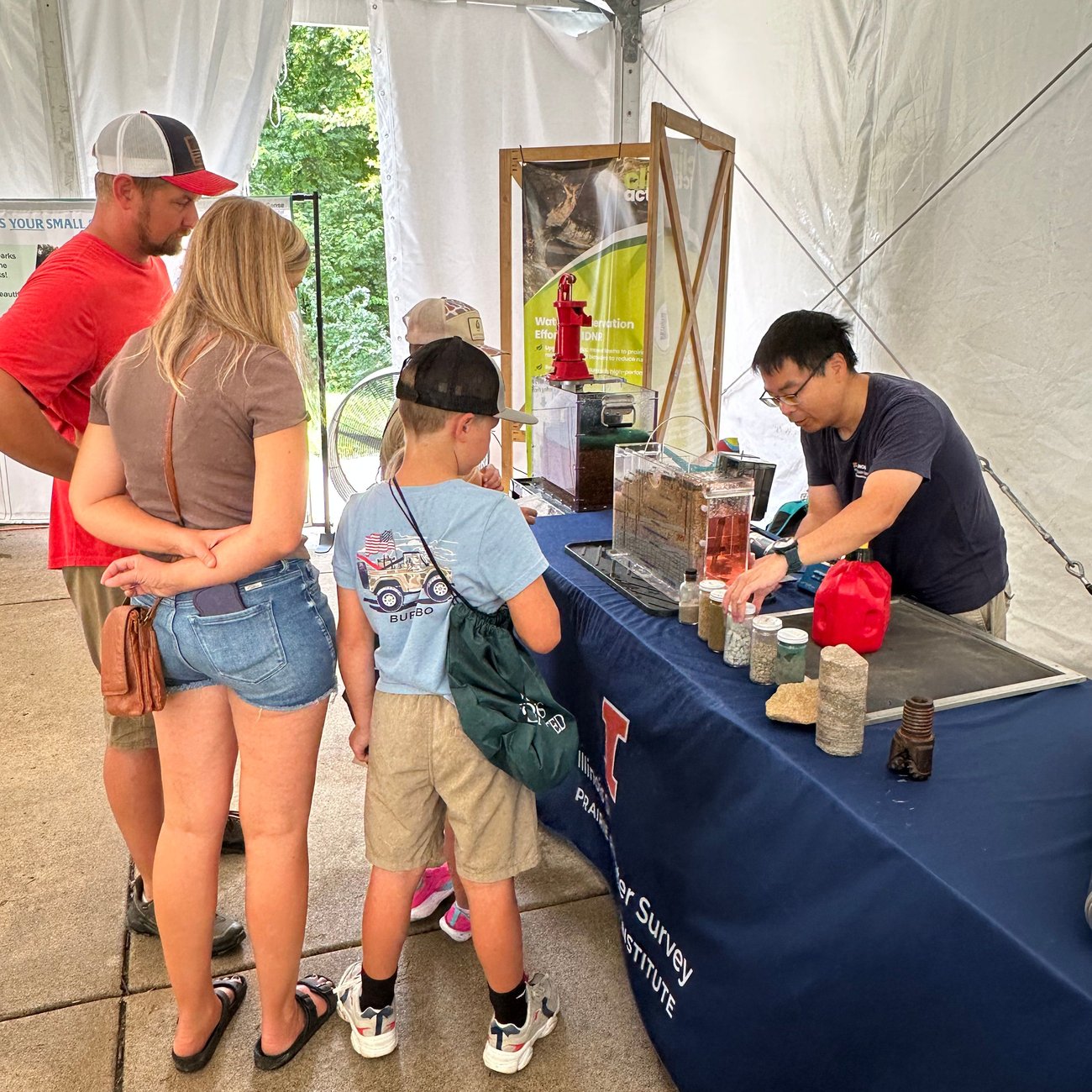
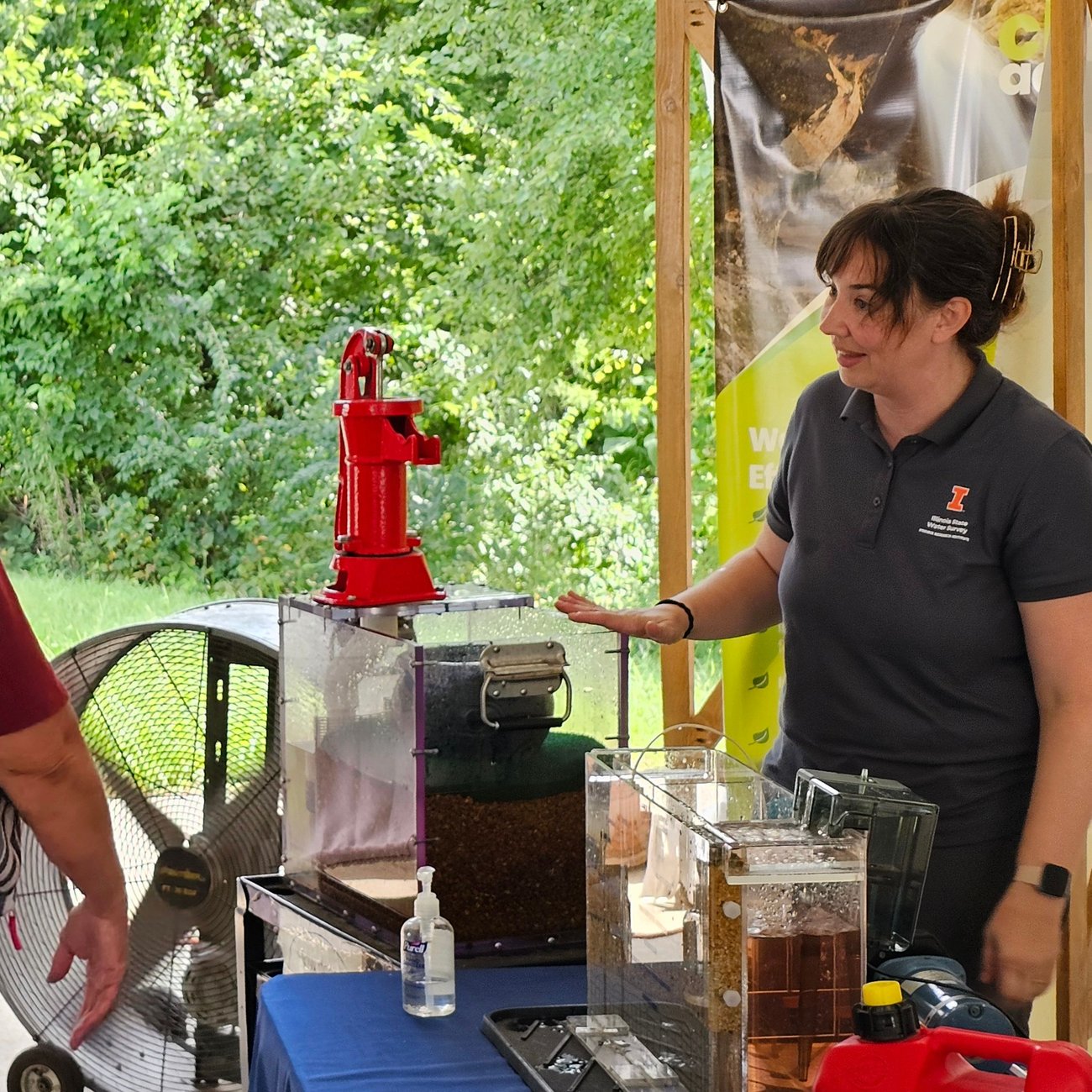
Private Well Class staff members Hideyuki Terashima and Katie Buckley at the 2026 Illinois State Fair in Springfield, Illinois.
As always, our team had a wonderful time at the Illinois State Fair last month!
We demonstrated our groundwater and well pump models to kids, talked to homeowners about their private wells, and displayed a digital twin model of our groundwater flow model. This digital model was built by our Illinois State Water Survey colleagues working on the Computation Hydrology for Decision Support research group, and these models are available to view here.
Over two weekends at the fair, we spoke with approximately 1,600 private well owners and water users from Illinois, surrounding states, and even other countries. We're looking forward to coming back to the fair and to Decatur, Illinois, for the Farm Progress Show in 2027.
Thank you to our outreach specialist, Katie Buckley, for organizing yet another successful year at the state fair for the Private Well Class and the Illinois State Water Survey! |
|
|
From the Help Center |
|
|
|
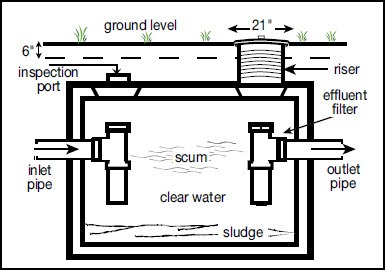
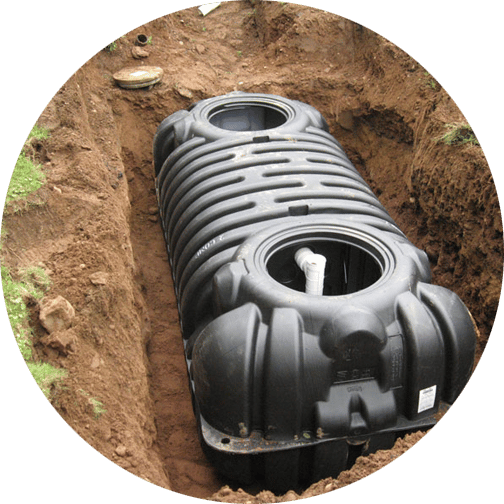
How does a basic septic system work?
If a property has both a private well and a septic system, it's especially important to know how both work in order to keep the water supply clean.
Read this article and watch the companion video to learn how a simple septic system naturally treats residential wastewater. To find additional articles and resources for septic systems, visit the Onsite Wastewater Treatment Systems collection at the Private Well Help Center.
|
|
|
|
|
Upcoming Webinars & Recent Recordings |
|
|
|
Well Care 101 –
What You Need to Know to Protect Your Family
September 15, 2026 | 1 PM CT
Hosted by PrivateWellClass.org
In this free webinar training, attendees will learn about how to protect their health by learning the basics of well care. It will cover subjects such as how to determine well water is safe for drinking, simple best practices for well maintenance, and solutions to the most common well problems.
Register »
We would love your support in distributing this information. Please feel free to share this link.
|
|
|
|
Potential Impacts of Drought and Flooding on Private Wells
September 23, 2026 | 1 PM CT
Hosted by PrivateWellClass.org
In this free webinar training, attendees will learn ways to serve and support individual well owners and public health and cooperative extension that encounter potential impacts from drought and flooding events.
Register »
We would love your support in distributing this information. Please feel free to share this link. |
|
|
|
What Real Estate Professionals Need to Know about Homes with Well Water
October 13, 2026 | 1 PM CT
Hosted by PrivateWellClass.org
In this free webinar training, learn about what real estate agents should know when selling homes with private wells, including well water quality, how wells work, and other basic well information.
Register »
We would love your support in distributing this information. Please feel free to share this link. |
|
|
|
Is My Water Safe to Drink? – Common Questions about Private Wells
Recorded on August 12, 2026
This webinar went over the answers to common questions about private water wells, including how to get well water tested, what to do to take care of a well, and how to know if a well is susceptible to contamination.
Watch Recording »
|
|
|
|
Septic Systems 101
Recorded on July 9, 2026
This webinar answered questions about about septic system management as part of a larger strategy to protect the water in your private well.
Watch Recording »
|
|
|
|
|
|
Maine struggling to get homeowners to test and treat private wells for arsenic
The Maine Monitor
Maine has run a program through MaineHousing to help low-income residents test and treat their wells for nearly a decade. Arsenic is a common concern in the state, having been found in 53 percent of homes tested. However, testing rates are well short of the goal set by the Maine CDC, and low-income households making less than $25,000 are the most likely to not yet have had their wells tested. The struggle faced by the program is providing treatment systems in qualifying homes. Rising costs and changing treatment criteria are cited by officials in the state as the main obstacles to this goal.
|
| Read Here » |
|
|
|
|
Partner Events & Workshops |
|
|
|
Virginia 2026 Drinking Water Clinics
September 2, 16, 30 | Various locations
Hosted by the Virginia Household Water Quality Program & Virginia Cooperative Extension
The Virginia Household Water Quality Program drinking water clinics typically run from February to November each year. Covering about 70 counties, these clinics provide homeowners a chance to have their well water testing at a reduced rate.
Find the full list of dates, locations, and registration information here. |
|
|
|
Iowa Private Well Stewardship Program
September 8 | 6 pm CT | Waukon, IA
Hosted by Iowa State University Extension
Iowa's Allamakee and Winneshiek County Extension office will host a free, one-hour learning session for private well owners. The program will help attendees understand their well's water quality and connect them with resources to manage their well. The session will cover how to test a well and who can help, common contaminants and factors that affect well water quality.
More information » |
|
|
|
Decentralized Wastewater Systems Training
September 8 | 9 am CT | Online
Hosted by Communities Unlimited
This training will focus on why decentralized alternatives should be given consideration to solve wastewater issues in some areas and situations; and how decentralized systems help communities reach the triple bottom line of protecting the environment, being efficient, and contributing to community well-being.
Register here » |
|
|
|
Decentralized in Texas
September 9 | 10 am CT | Online
Hosted by Communities Unlimited
Attendees will receive a basic introduction to onsite sewage facilities. Learn about the types, components, and maintenance of systems. The session will also cover best management practices utilized by homeowners.
Register here » |
|
|
|
Best Practices for Performance, Longevity, and Public Health:
An Introduction to Onsite Wastewater Treatment Systems
September 10 | 1 pm ET | Online
September 11 | 9 am ET | Online
Hosted by SERCAP
These webinar sessions provide a practical introduction to onsite and decentralized wastewater treatment systems. For individuals, homeowners, community leaders, wastewater professionals, and technical assistance providers, this training explains how septic and decentralized systems function, why proper operation and maintenance are critical, and how system failures can impact public health, water quality, and the environment.
Register here for September 10 »
Register here for September 11 » |
|
|
|
NOWRA's Septic Smart Week Webinar
September 14 | 2 pm CT | Online
Hosted by the National Onsite Wastewater Recycling Association
To celebrate the start of SepticSmart Week, Dr. Sara Heger will present a free webinar that covers information about how septic systems work and tips for proper use and maintenance. A free account with NOWRA's Online Learning Academy will be required for attendees.
More information » |
|
|
|
Multi-County Private Well and Water Quality Workshop
September 15 | 5:30 pm ET | Marianna, FL
Hosted by Florida Extension
Join Florida Extension for a workshop to learn about how private wells and septic systems work, maintenance, and protecting your drinking water quality. This workshop will focus on residential private wells and water quality for homeowners.
Register here.
|
|
|
|
Being Septic Smart
September 15 | 6:30 pm CT | Online
Hosted by Minnesota Water Resources Center
This webinar will teach property owners the basics of how their septic systems work, including how to care for and maintain a septic system so it can function during or beyond its lifetime.
Register here.
|
|
|
|
Septic-Smart for Homeowners
September 16 | 6:00 pm ET | RCAP Solutions
This webinar will cover basics of wastewater biology, soils, components of a conventional system, operation & maintenance, and innovative/alternative systems.
Register here »
|
|
|
|
Climate Resiliency and Emergency Preparedness for Private Wells
September 17 | 10:00 am ET | Online
Hosted by RCAP Solutions
This free, one-hour webinar is intended for private well owners, water professionals, public health officials, and other stakeholders interested in protecting private water systems. The session will cover the effects of climate-related hazards such as flooding and drought, strategies to improve well resiliency, and how to prepare for water-related emergencies. Attendees will gain practical tips on well maintenance, risk reduction, and emergency planning, along with resources to support long-term water security.
Register here. |
|
|
|
Onsite Wastewater System Management, Maintenance, and Troubleshooting Overview
September 24 | 12:00 pm CT | Online
Hosted by Midwest Assistance Program
This webinar will provide an overview of the management, maintenance, and troubleshooting of small community onsite wastewater systems. The session will focus on recognizing and resolving common problems such as system overuse, improper design, poor installation, and routine maintenance challenges.
Register here. |
|
|
|
Inspection of Residential Onsite Wastewater Treatment Systems
September 29 | 8:00 am ET | Penn Yan, NY
Hosted by RCAP Solutions
This is a one-day, in-person training designed for onsite wastewater system inspectors and other professionals seeking to improve their understanding of residential septic systems and inspection practices. Participants will learn a step-by-step approach to conducting septic system inspections through both classroom and field instruction, helping them build the knowledge and confidence needed to perform thorough evaluations and become trusted resources in their communities.
Register here.
|
|
|
|
|
Tap Talk Season 8 Debuts Next Week! |
Exciting news! Season 8 of “Tap Talk: The Drinking Water in Rural America” podcast will debut next week on September 10. Check our programs’ feeds that day for Tap Talk Episode #85, which will feature Courtney Lee, the director of workforce development at The Water Tower.
The Water Tower is a nonprofit innovation hub that strives to transform the future of water with research, workforce development, and global industry collaboration. While this episode will be covering the organization's work with drinking water utilities, we have several episodes lined up for this season centering on private wells.
|
| Discover past episodes on our website » |
 |
|
|
|
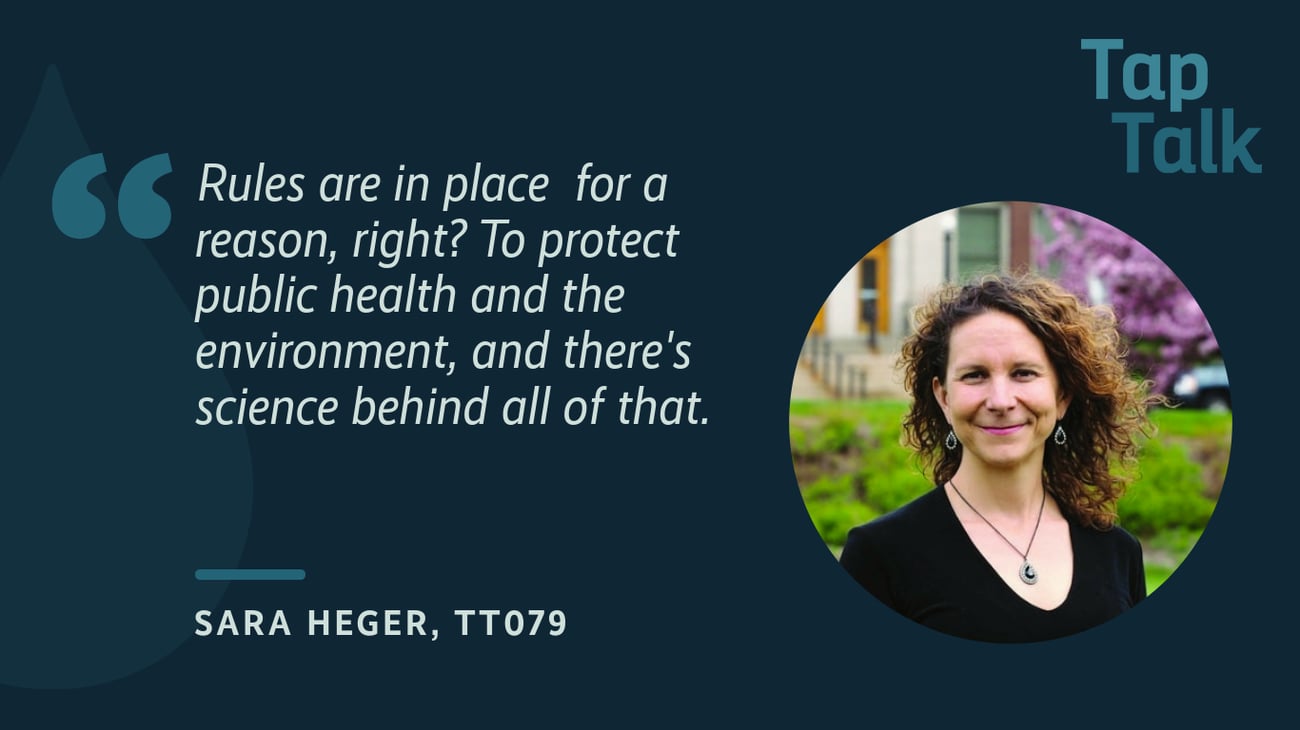
For SepticSmart Week, don't miss TT079 – The Septage Catch-22: When Better Maintenance Creates Bigger Problems!
During Season 7 of Tap Talk this past spring, we welcomed back Sara Heger, decentralized wastewater expert, to discuss the catch-22 of septage generation: The more people maintain their septic systems, the more septage gets generated. But, there’s increasingly nowhere for that septage to go. Dr. Heger breaks down to Jennifer and Steve why this is, what PFAS and contaminants have to do with it, and how this challenge might be fixed.
Listen at the Tap Talk website, linked below, or find the show on audio platforms such as Spotify, Apple Podcasts, iHeartRadio, Amazon Music, and Audible.
|
| Listen to TT079 on our website » |
|
|
|
|
|
Private Well Contaminant Treatment Tool Kit
National Environmental Health Association
This tool kit contains five fact sheets covering leading private well contaminants: arsenic, nitrates and nitrites, lead, coliform bacteria, and radon. The fact sheets explore the health impacts and treatment options for each contaminant and are meant to be share widely with private well users.
|
| See the tool kit » |
|
|
|
|
Featured Video – Contamination
|
|
|
 |
|
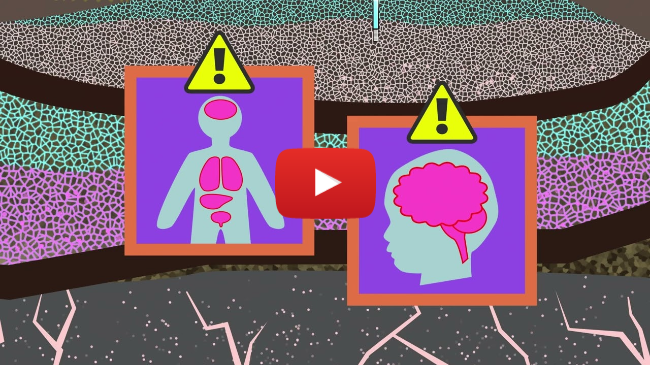
This video, from the Minnesota Water Resources Center's new series on private wells, explores what is really in the drinking water for the millions of people that rely on private wells. The video explains why regular well water testing is essential to protecting well users and keeping groundwater safe.
|
| Watch the video » |
|
|
|
|
|
PrivateWellClass.org is a free, grant-funded service to support private well owners and the professionals that work with these wells. The program seeks to raise awareness of private well issues and help well owners understand their responsibilities to be a good steward of their well and water source. The Private Well Class, developed at the Illinois State Water Survey at the University of Illinois Urbana-Champaign, is a collaboration with the Rural Community Assistance Partnership with funding from the U. S. Environmental Protection Agency. Call us at 1-866-945-0699 for assistance. |
|
|
|
|
|
Visit our other websites: |
|
|
|
|
|
|
|
Click here to unsubscribe | Sent to: _t.e.s.t_@example.com
Illinois State Water Survey, 2204 Griffith Drive, Champaign, IL 61820, United States |
|
|