DecentralizedWastewater.org Newsletter for June 2026
|
|
|
|
|
|
June 2026 Is Trench Safety Month
|
 |
|
June is Trench Safety Month, as declared by the National Utility Contractors Association (NUCA)! NUCA has also held the annual Trench Safety Stand Down Week for the past ten years, in which employers are encouraged to talk directly with their employees about trench and excavation safety. This year's Safety Stand Down Week begins today, June 15, and ends on Friday, June 19!
Furthermore, NUCA focuses on outreach to the public and to non-member companies about trench safety during June. Occupational Safety and Health Administration data shows that trench collapse deaths have increased in recent years, making this outreach and education increasingly important.
|
 |
|
|
|
|
|
|
|
|
TT079 – The Septage Catch-22:
When Better Maintenance Creates Bigger Problems
|
|
|
 |
|
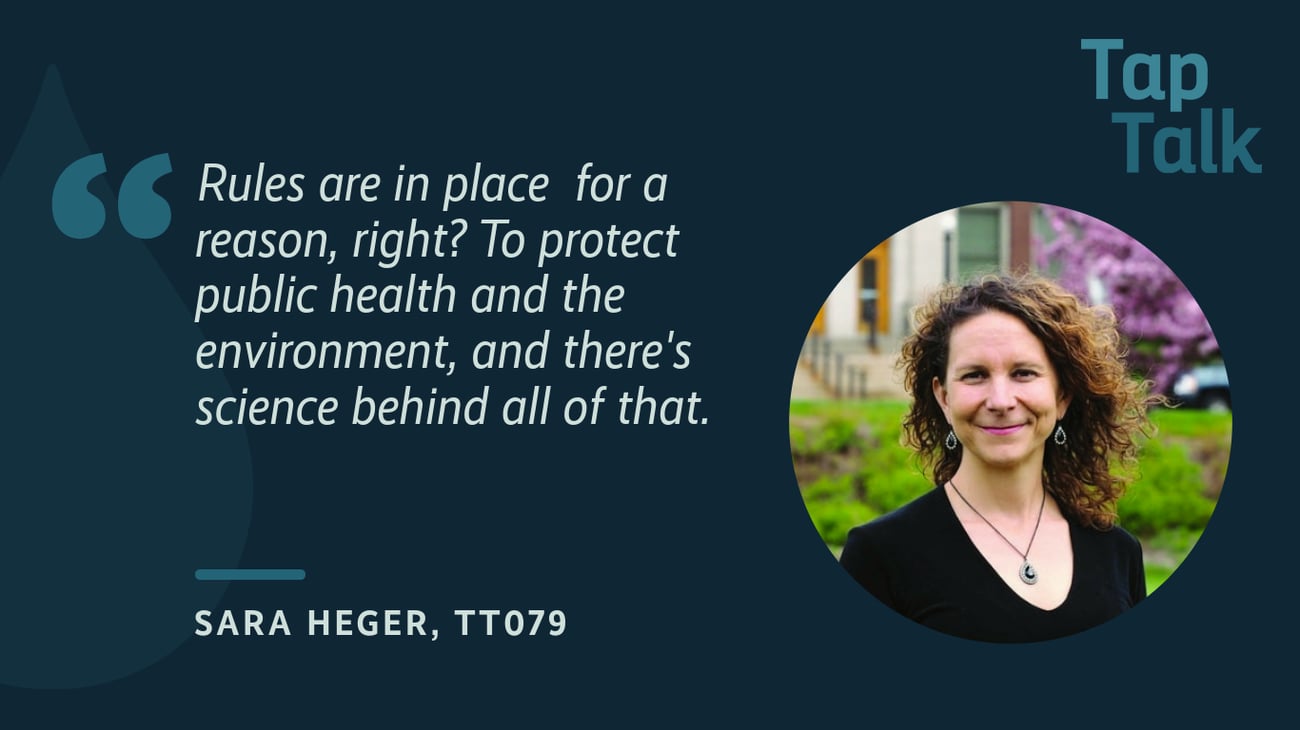
Last month on Tap Talk, we welcomed back Sara Heger, decentralized wastewater expert, to discuss the catch-22 of septage generation: The more people maintain their septic systems, the more septage gets generated. But, there’s increasingly nowhere for that septage to go. Dr. Heger breaks down to Jennifer and Steve why this is, what PFAS and contaminants have to do with it, and how this challenge might be fixed.
Listen at the Tap Talk website, linked below, or find the show on audio platforms such as Spotify, Apple Podcasts, iHeartRadio, Amazon Music, and Audible.
|
|
|
|
|
Wrapping Up the Private Well Conference 2026
|
|
|
|
|
|
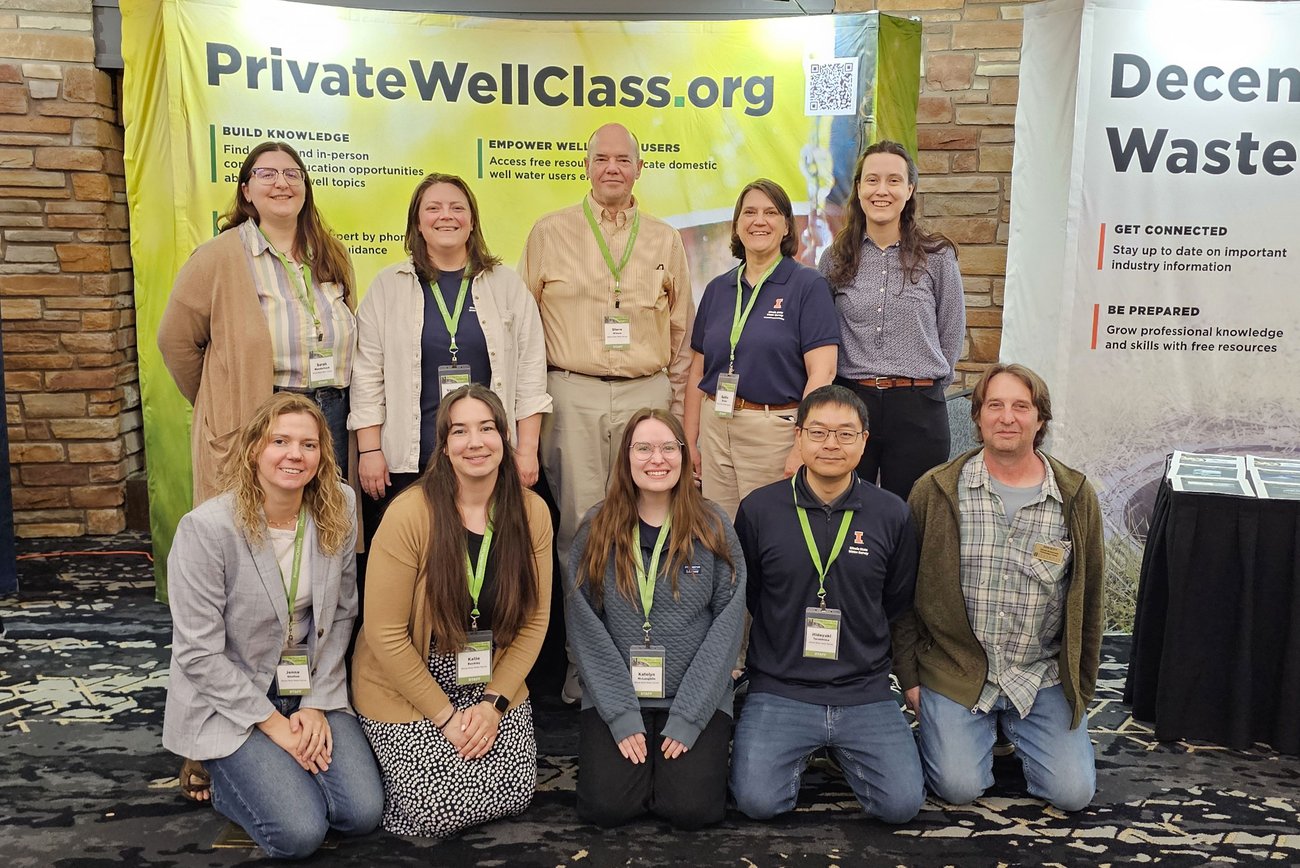
The Private Well Class team would like to extend a huge thank you to everyone who attended, presented, and moderated at the Private Well Conference 2026 last month! The conference featured 27 speakers, 12 lightning talk presenters, and 94 attendees from 29 states!
We were thrilled at the conference's success and the opportunity to put on the event in Missoula. We are already planning and considering new locations for the Private Well Conference 2027, so keep an eye on these newsletters and our social media for word on next year’s event.
Another thing to look out for: This year’s presentations will be posted on our YouTube channel to view in full later this summer. In the meantime, if you’re seeking any further information on a presentation, speaker, or topic from this conference, send us an email at info@privatewellclass.org.
Once again, thank you from our whole team, and see you next year!
|
|
|
|
|
Three Months Until SepticSmart Week!
|
|
|
 |
|
This year's SepticSmart Week is just three months away! Now is the time to start planning for this important yearly opportunity to call attention to the necessity of properly caring for septic systems. Homeowner education events, training workshops, and social media campaigns are key components of the week's events that you can starting planning for now.
Make sure to mark September 14-18 on your calendar! Keep an eye on the US EPA's Septic Systems homepage, as well as other sources like NOWRA and DecentralizedWastewater.org, for more information and ideas on how you can participate.
|
| Learn more from the EPA » |
|
|
|
|
|
|
Featured Webinars & Training |
|
|
|
Working with Homeowners
June 17 | 9:00 am PT | Orenco Systems
For a wastewater professional, educating homeowners is essential to the success of any residential treatment system. Bringing homeowners into the process from the very beginning helps them be prepared to handle the basic operation and maintenance of their system. In this webinar, Orenco will go over the information that’s necessary for every homeowner to know, including do’s and don’ts, why service contracts are important, and answers to common questions.
Register to attend with Orenco »
|
|
|
|
Enhancing Septic Tank Safety:
The Case for Secondary Safety Lids
June 17 | 1:00 pm ET | Infiltrator Water Technologies (IWT)
Septic tank-related accidents, particularly involving children, have highlighted a critical safety gap in current onsite wastewater systems: unsecured or inadequately secured access lids. This presentation advocates the mandatory implementation of secondary safety lids — internal barriers designed to prevent accidental entry into septic tanks, even if the primary lid is dislodged or removed.
Register to attend with IWT »
|
|
|
|
Onsite & Decentralized Wastewater Systems:
Best Practices for Performance, Longevity, and Public Health
June 18 | 12:00 pm CT | Rural Community Assistance Partnership (RCAP)
This webinar provides a practical introduction to onsite and decentralized wastewater treatment systems. Designed for individuals, homeowners, community leaders, wastewater professionals, and technical assistance providers, this training explains how septic and decentralized systems function, why proper operation and maintenance are critical, and how system failures can impact public health, water quality, and the environment.
Register to attend with RCAP »
|
|
|
|
Septic System Basics for Homeowners
June 23 | 1:00 pm CT | Communities Unlimited
This training provides homeowners with a clear, practical understanding of how septic systems work and how to properly care for them. The training covers best practices for everyday use including what to avoid putting down drains, water conservation strategies, and how to recognize early warning signs of septic system problems.
Register to attend with Communities Unlimited »
|
|
|
|
|
Highlights from Pumper Magazine
|
|
|
|
Managing Flooded Septic Systems
If a septic system is covered by floodwater, it should not be used because it cannot effectively treat and disperse wastewater. This article explains precautions to take before or during a flood, solutions for after the flood, how to avoid compaction, treatment area inspection, and how to address damage to the system in severe scenarios.
|
| Read at Pumper Magazine » |
|
|
|
|
|
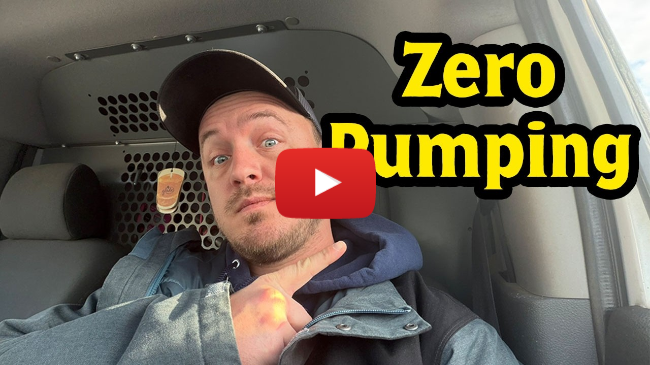
What Happens If You Never Pump Your Septic Tank?
Wells, Septic & More
This video from the channel Wells, Septic & More explains in plain language for homeowners exactly what happens to their septic tank if it is not pumped. A few of the topics the explanation touches on include how septic tanks separate sludge, effluent, and scum; how biomat forms in drain fields; and why failing to pump can destroy your absorption system. For any homeowners that may be skeptical of the need to pump their tank on the recommended schedule, this video may be enlightening!
|
| Watch on YouTube » |
|
|
|
|
|
Guidance for Septic Systems Before, During, and After a Power Outage
National Environmental Health Association (NEHA)
This eight-page resource published by NEHA explains to homeowners what they can do for their septic system before, during, and after a power outage. It includes safety reminders, what to know about how a power outage impacts a system, and guidance on obtaining or setting up a temporary toilet.
|
| Read at the NEHA website » |
|
|
|
|
|
|
|
Visit our other websites: |
|
|
|
|
|
|
|
Click here to unsubscribe | Sent to: _t.e.s.t_@example.com
Illinois State Water Survey, 2204 Griffith Drive, Champaign, IL 61820, United States |
|
|