|
Newsletter #423 - January 6, 2026 |
|
|
|
|
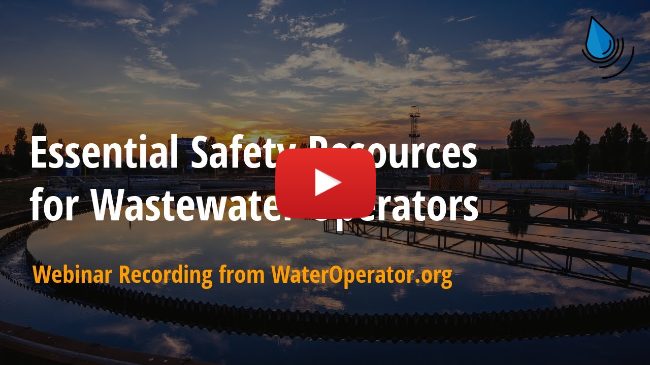 |
Missed our last webinar? Watch the recording! |
|
Essential Safety Resources for Wastewater Operators
This webinar recording will explore practical resources to help wastewater operators stay safe in their day to day to work as well as in less common and unexpected scenarios. Plus, participants will learn how to use our search tools at WaterOperator.org to find additional resources and training events.
This webinar series from WaterOperator.org covers topics relevant to wastewater operators, including funding, asset management, compliance, and water quality.
For informational purposes only. We are unable to offer certificates for watching a video recording.
Recordings of our previous webinars:
|
|
|
|
|
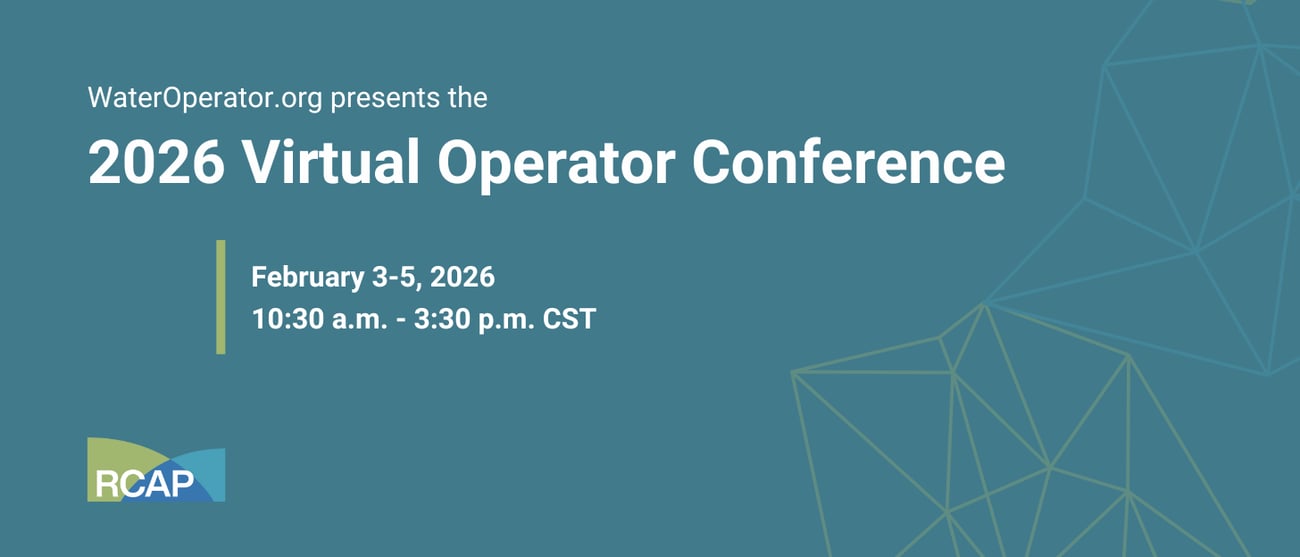 |
VirCon is next month! Register today. |
|
This free, virtual training conference offers drinking water operators a chance to learn more about timely topics, improve fundamental skills, and get support for specific challenges while earning up to 12 hours of CEU credit.
While there is no substitute for in-person training, this online event was created to specifically target operators of small and rural public water systems who may not have the means or ability to travel. Conference instructors are technical assistance providers from the RCAP network.
CEU Information
-
Currently pre-approved in: Alaska, Arkansas, Colorado, Florida, Illinois, Indiana, Louisiana, Maine, Massachusetts, Minnesota, Missouri, Montana, Tennessee, Utah, Vermont, Washington
-
Currently acceptable in: Alabama, Arizona, California, Idaho, North Carolina, North Dakota, South Carolina, Virginia
Approval in process for all other jurisdictions! |
| Register Now |
|
|
|
|
 |
Tap Talk |
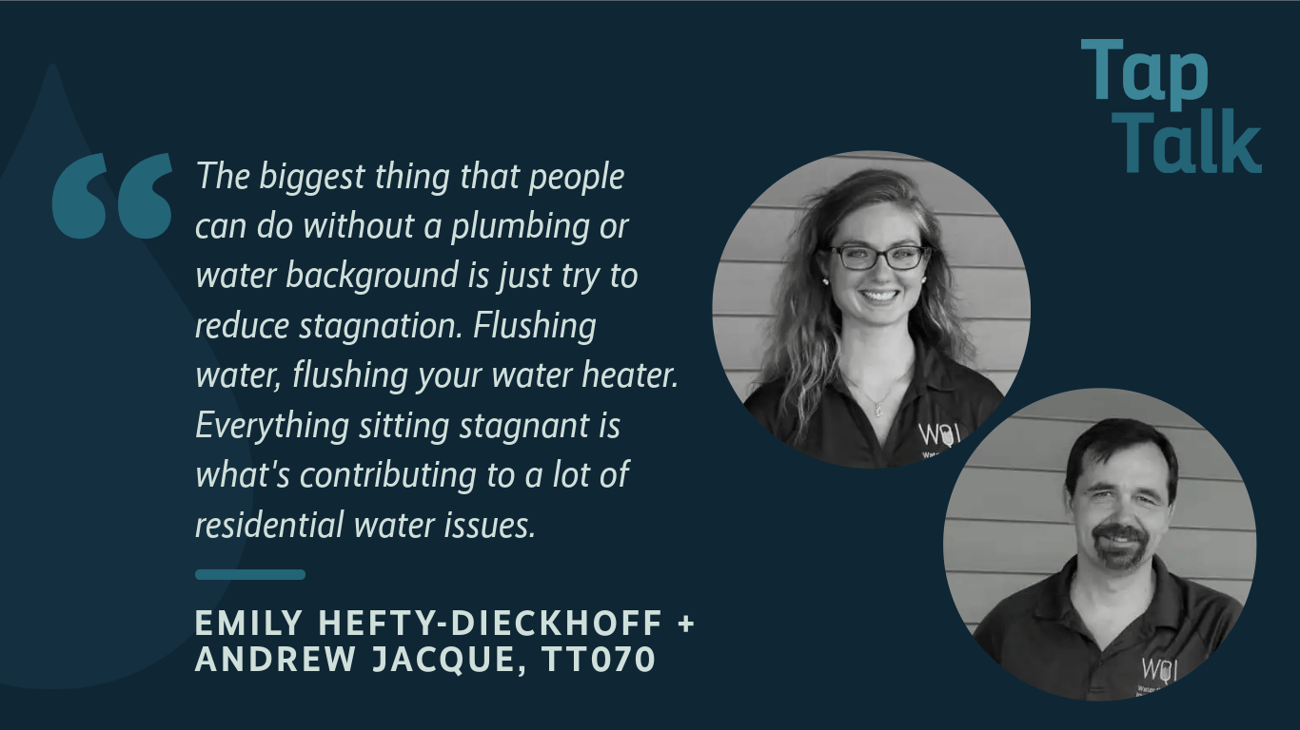
Diving Into Biofilms With Water Quality Investigations (Part 2)
In the second episode of our series featuring Andrew Jacque and Emily Hefty-Dieckhoff from Water Quality Investigations, we continue exploring the world of biofilms and other common water quality issues in household water systems. Make sure you’ve caught Part 1 first that covers a lot of biofilm basics, and then here in Part 2 hear Andrew, Emily, Steve, and Jennifer further discuss biofilm-induced water quality issues, water chemistry, microbial corrosion, the effectiveness of home treatment, and more advice for homeowners!
|
|
|
|
|
|
|
Featured Video |
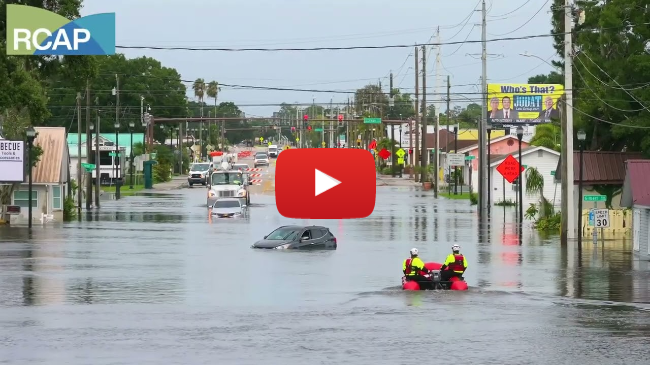 |
RCAP Microlearning | EPA Risk & Resilience Assessments
Rural Community Assistance Partnership - RCAP
"This video was created to help board members and other decision-makers of small utilities better understand the requirements of EPA Risk & Resilience Assessments."
This video from RCAP explains why all small rural water utilities must prepare for risks like natural disasters, equipment failures, cyber threats, and intentional contamination. It highlights the importance of completing an EPA Risk and Resilience Assessment (RRA) and an Emergency Response Plan (ERP), which are federally required for certain systems but beneficial for all. Using EPA checklists and templates, utilities can identify vulnerabilities, evaluate potential hazards, and create clear response procedures to protect public health, improve emergency coordination, and ensure reliable drinking water during the unexpected.
|
|
|
|
|
WA Flood Recovery: Recommendations, Contacts, and Resources |
|
The Washington State Department of Health provided guidance for public water system operators following severe flooding and a national emergency declaration. The guidance focuses on protecting drinking water safety and restoring normal operations. The information provided urges systems to document all emergency-related costs, inspect and secure water sources and infrastructure, inform customers of service impacts, flush and disinfect systems as needed, and conduct investigative water quality sampling.
It also reiterates actions during active flooding, such as maintaining disinfection, monitoring pressure and water quality, issuing boil water advisories when necessary, and managing power outages, and directs operators to state, local, and mutual‑aid resources for technical and emergency assistance. |
| Read More |
|
|
|
|
Featured Video |
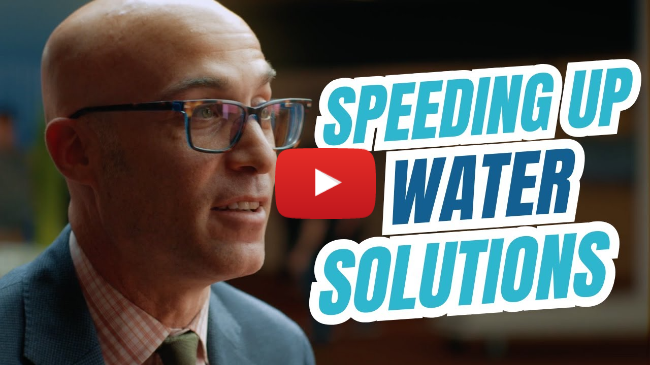 |
Can Collaboration Solve the Clean Water Crisis?
waterloop
"As new contaminants like PFAS demand complex treatment, many utilities face a hard reality: innovative solutions often stall at the regulatory desk. That bottleneck — not a lack of technology — is what Anthony DeRosa is working to fix.
As Executive Director of the Association of State Drinking Water Administrators, Anthony represents drinking water regulators across all 50 states, U.S. territories, and the Navajo Nation.
When EPA released its PFAS rule, he saw an opportunity to turn a nationwide challenge into a collaborative solution. By pooling real-world approvals, pilot requirements, SOPs, and decision tools from states like Ohio, Arizona, and Massachusetts, ASDWAs created a shared national resource that makes PFAS treatment pathways clearer, faster, and more transparent.
The effort doesn’t stop there. Through partnerships with EPA and the American Water Works Association, Anthony helped launch a new PFAS piloting framework designed to bring regulators, utilities, and innovators together earlier — saving time, money, and momentum. His goal is to apply this model beyond PFAS, proving that when regulators and the regulated community share knowledge, smarter solutions move faster."
|
|
|
|
|
|
|
|
Water Storage Systems Operations and Maintenance
January 13, 2026 | 1:00 PM EST
Rural Community Assistance Partnership
This free course provides an overview of water storage systems with a focus on operational strategies, maintenance practices, and regulatory compliance. Participants will learn how tank location, design, and management impact water quality, system pressure, and public health. Other learning objectives include, explaining the role of water storage tanks, describing operational controls, and applying best practices for maintenance and safety.
|
|
|
|
Pipes, Pressure, and a Precious Resource: The Engineering Challenge of Aging Water Infrastructure
January 15, 2026 | 1:00 PM EST
Environmental Finance Center Network
This free webinar will examine the current state of public water systems, focusing on aging infrastructure, the operational and financial risks associated with delayed reinvestment, and the growing need for strategic planning. Participants will discover how modern technologies can improve efficiency, monitoring, and water quality, while addressing the financial challenges that often hinder technology adoption in small systems. |
|
|
|
Addressing Natural Hazards in Risk and Resilience Assessments and Emergency Response Plans
January 22, 2026 | 1:00 PM EST
U.S. Environmental Protection Agency
This free webinar will focus on natural hazards, highlighting useful data sources and free technical assistance from EPA’s Strengthening Water Infrastructure for Tomorrow (SWIFT) initiative to help drinking water utilities, wastewater utilities, and stormwater utilities address natural hazards in their RRAs and ERPs. |
|
|
|
|
|
|
|
|
|
|
Recent Blog Posts at WaterOperator.org |
|
|
 |
|
Get Ready for the 13th Annual SepticSmart Week!
Read Here » |
|
|
 |
|
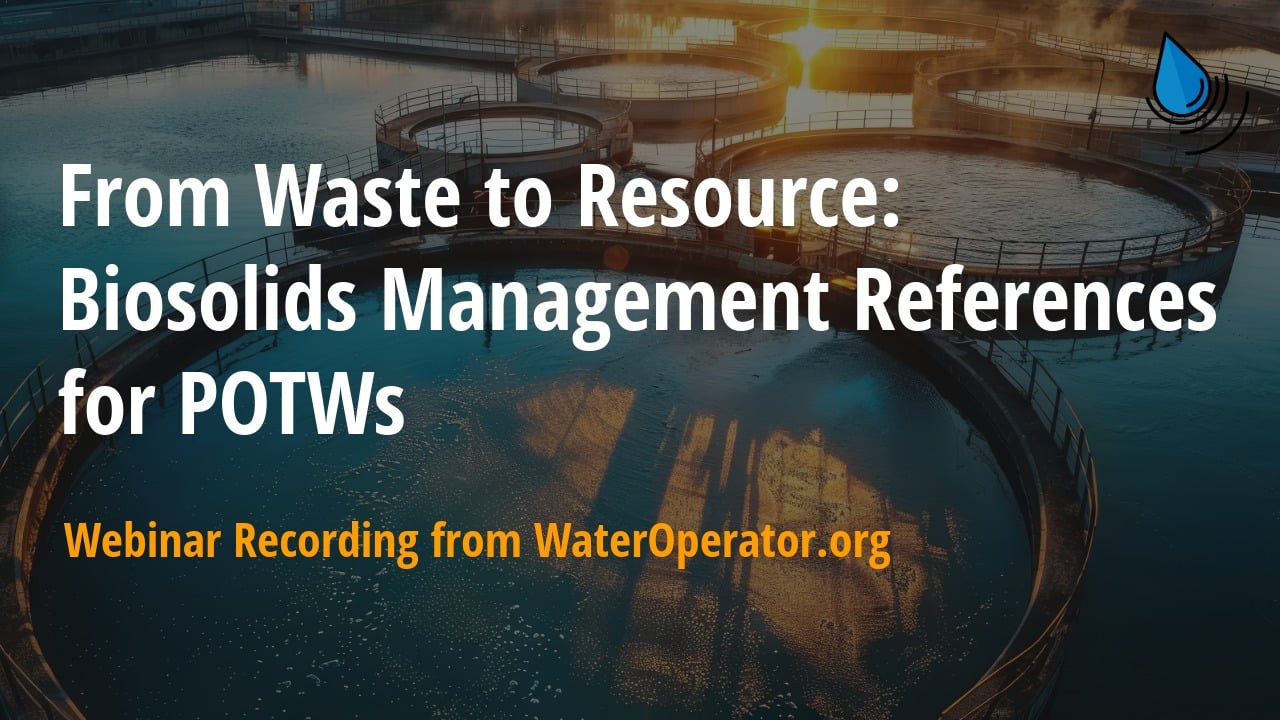
From Waste to Resource: Biosolids Management References for POTWs
Read Here » |
|
 |
|
Unlocking Rural Prosperity: The Rural Funding Guide is Here
Read Here » |
|
|
|
|
|
Groundwater & Well Care for Public Water Systems is a free online course from WaterOperator.org. Certificates are provided and the course is currently pre-approved for 2 hours continuing education credit in a number of states.
Click here to learn more. |
|
|
|
|
|
|
|
|
|
WaterOperator.org is a free service, grant-funded to support small community water and wastewater operators with comprehensive resources and information in one easy-to-use place. We also serve the 800+ training, primacy, and technical service organizations, by helping operators get to their information. We aren't selling or advertising anything. Call us at 1-866-522-2681 for assistance. |
|
|
|
|
|
Visit our other websites: |
|
|
|
|
|
|
|
Click here to unsubscribe | Sent to: _t.e.s.t_@example.com
Illinois State Water Survey, 2204 Griffith Drive, Champaign, IL 61820, United States |
|
|
|
|