Newsletter #114 for June 2025
|
|
|
|
|
Wrapping Up the Private Well Conference 2025
|
 |
|
|
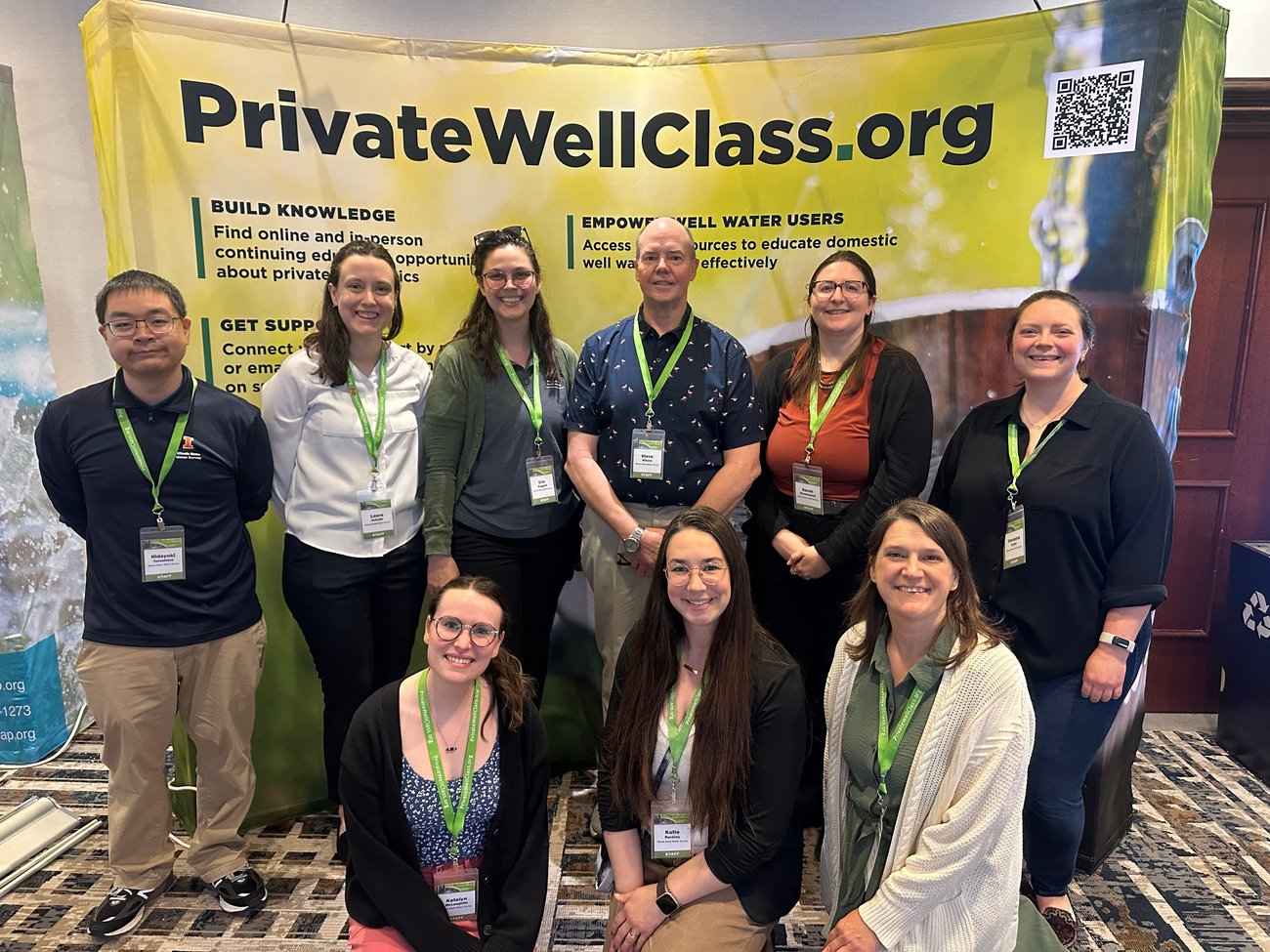
We would like to extend a huge thank you to everyone who attended, presented, and moderated at our Private Well Conference 2025 last week! The conference featured 31
speakers, 7 lightning talk presenters, and 92 attendees registered from 25 American states and 2 Canadian provinces.
Our team was so thrilled at the conference's success and the opportunity to once again put on the event in-person after a six-year break.
Luckily, we can say with certainty that we will be holding the Private Well Conference in-person again next May. We are already planning and considering new locations for the Private Well Conference 2026, so keep an eye on these newsletters and our social media for word on next year’s event.
Another thing to look out for: This year’s presentations will be posted on our YouTube channel to view in full later this summer. PDFs of the presentation slides will also be made available. In the meantime, if you’re seeking any further information on a presentation, speaker, or topic from this conference, send us an email at info@privatewellclass.org.
Once again, thank you from our whole team, and see you next year!
|
|
|
EPA Announces $30.7 Million in Training & Technical Assistance for Water Quality in Small & Rural Communities
|
|
|
The U.S. Environmental Protection Agency has made a significant funding announcement, awarding $30.7 million to three organizations to provide training and technical assistance that will improve water quality in small and rural communities across
the country. This funding support intends to ensure that every American has access to clean and safe water.
The $30.7 million in funding will be distributed to the National Rural Water Association, the Rural Community Assistance Partnership, and the Southwest
Environmental Finance Center at the University of New Mexico. All three organizations will use the funding to assist small public drinking water and wastewater systems in achieving and maintaining compliance with the Safe Drinking Water and Clean Water acts.
In addition, the Rural Community Assistance Partnership will use $3.45 million of their grant allotment to work with private drinking water well owners to help improve water quality, work that will include testing for per- and polyfluoroalkyl (PFAS) contamination.
“We are honored to collaborate with the U.S. Environmental Protection Agency to advance initiatives that support rural and tribal communities nationwide,” said RCAP CEO Olga Morales-Pate in the funding announcement press release. “As a recognized national leader in rural water technical assistance, RCAP is uniquely positioned to deliver tailored support to small utilities and private well owners. We commend the EPA’s continued dedication to enhancing the quality of life in rural communities across America.”
This grant program has awarded over $170 million for training and technical assistance providers since 2012. The funding enables providers to aid communities with their unique water infrastructure needs in a wide range of capacities.
|
| Read More »
|
|
|
|
|
Find Our Team at NEHA Next Month
|
|
|
|
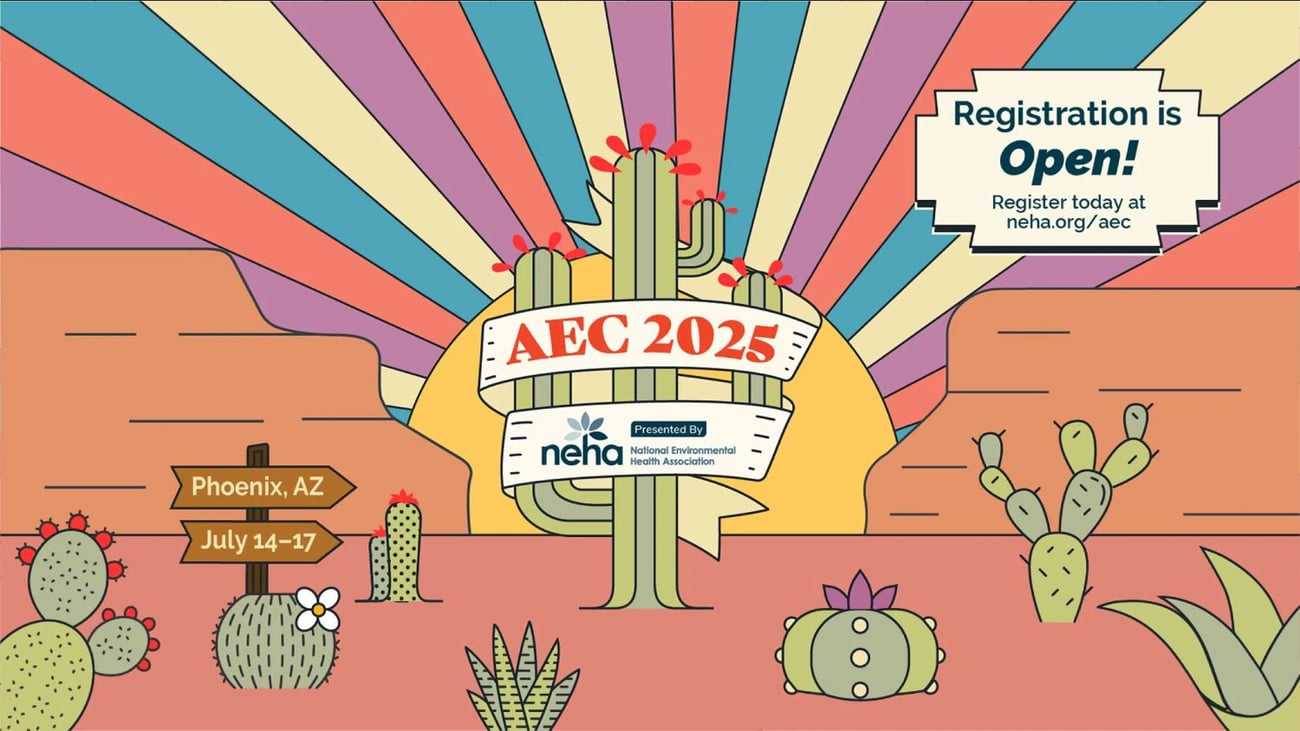
Are you attending the National Environmental Health Association's Annual Educational Conference & Exhibition next month in Phoenix? If you are, be sure to include time with our Program Director Steve Wilson and our Environmental Public Health Specialists Sallie Dolan & Sarah Manderbach in your conference plans!
Steve will be helping to lead the pre-conference session "Beneath the Surface: Advanced Insights into Groundwater, Soil, and Wastewater Systems for Private Water Protection" beginning at 8 am on July 14. Sallie will be presenting the session "Empowering Private Well Owners: The first year of the Private Well Class Hotline and Help Center" at 11:30 am on July 16. We will also be bringing our booth to the exhibition hall, so please stop by and chat with us there!
There are several other sessions on well, septic, and groundwater topics in the educational agenda as well, so make sure you've got them all on your calendar. Take a look at the entire conference schedule here, and register now if you still need to!
|
| More Information »
|
|
|
|
|
Tap Talk — Solutions for Safety in Buildings’ Water Systems
|

|
In Tap Talk’s 58th episode, Dr. Andrew Whelton of Purdue University visited to discuss plumbing and water system safety in buildings. Dr. Whelton is the lead of Purdue’s Center for Plumbing Safety, and among many duties, he explores solutions at the intersection of water infrastructure and public health. Listen to learn about how plumbing affects water quality, how the COVID pandemic rocked the water systems of unpopulated buildings, how to keep your office’s water system safe, and more.
|
| 🎧 Listen here 🎧
|
|
|
From the Help Center |
|
|
What are my landlord's responsibilities when renting a home with a private water well and/or an onsite wastewater treatment system?
Further your understanding of tenant rights and landlord responsibilities when renting a home with a private water well or a septic system with this article at our Help Center.
For additional articles and resources for private well owners, explore our Private Well Help Center.
|
|
|
|
|
Upcoming Webinars & Recent Recordings |
|
|
Well Care 101 -
What You Need
to Know to Protect Your Family
June 12, 2025 | 1 PM CT
Hosted by PrivateWellClass.org
This is an opportunity to ask questions about your water quality, caring for your private well, and best practices to protect your water supply from contamination. In a survey of over 1,700 well owners, 67% believed their well water was safe without any evidence to support it. You can protect your health and your family's by learning the basics of well care.
Register »
We would love your support in distributing this information. Please feel free to share this link.
|
|
|
Septic Systems 101
July 9, 2025 | 1 PM CT
Hosted by PrivateWellClass.org
In this free webinar training, you'll learn about septic system management as part of a larger strategy to protect the water in your private well.
Register »
We would love your support in distributing this information. Please feel free to share this link.
|
|
|
What Private Well Owners and Well Professionals Need To Know About PFAS
Recorded on May 29, 2025
This webinar provided information and support for environmental health professionals and homeowners dealing with PFAS issues. Topics included occurrences in private wells, how PFAS gets into well water, common findings, why and when to test, and situations where it is more likely that there may be a PFAS issue in well water.
Watch Recording »
|
|
|
Groundwater and Well Construction 101
Recorded on April 9, 2025
This webinar recording explains how water moves through the ground to wells and how well construction can increase contamination vulnerability. The sessions covers types of wells and well construction, well components, and water treatment options.
Watch Recording »
|
|
|
|
|
Residents say jet fuel leak in Pennsylvania went undetected for months, poisoned their drinking water
CBS News
At least 38 homes in the Pennsylvania community of Washington Crossing have had their drinking water wells impacted by jet fuel leaking from a nearby pipeline. The pipeline's operator, Sunoco Pipeline, failed to find the leak for 16 months following the first reports of oily water from homeowners. One homeowner's well was found to have 15 gallons of jet fuel on top of it when opened, and the well continues to need to be skimmed each day.
Read here »
|
|
|
|
|
Partner Events & Workshops
|
|
|
Water Quality and Your Private
Well
June 4 | 6 pm ET | Online
Hosted by RCAP Solutions
Join RCAP Solutions and the Housatonic Valley Health District for this webinar, which will cover topics like private wells and well types, water quality and testing, Connecticut Department of Public Health certified water testing labs, and more.
Register here.
|
|
|
Best Practices for EHS
Professionals: Outreach & Education for Private Well Owners
June 5 | 9 am PT | Online
Hosted by the Rural Community Assistance Corporation
This free, 3-hour, online training course from RCAC will offer 2 National Environmental Health Association credits and 2 Registered Environmental Health Specialist Programs credits.
Register here.
|
|
|
Operations & Maintenance for
Decentralized Wastewater Systems
June 10-12 | 8 am ET | Ellicott City, MD
Hosted by SERCAP & NOWRA
NOWRA, RCAP, SERCAP, and the University of Maryland Extension are organizing a free, in-person training workshop for service providers and operators to learn more about operating and maintaining decentralized wastewater systems. 14 credit hours will be available.
Register here.
|
|
|
Private Wells and Property
Ownership
June 11 | 10 am CT | Online
Hosted by Communities Unlimited
This training will cover topics such as how a well works, well location standards, types of aquifers, and well testing.
Register here.
|
|
|
Safe Drinking Water
Clinic
June 11 | 1 pm or 6:30 pm ET | New Bloomfield, PA
Hosted by Penn State University Extension
This clinic is designed to empower private well and spring owners with the knowledge and tools to protect their water source, their property, and their health. Learn how to properly test your water, explore treatment options, and understand essential maintenance and inspection practices to ensure long-term water quality and system reliability. During this no-cost, two-hour workshop, participants will also have the opportunity to test their home’s drinking water and gain practical insights into protecting both their family and the shared groundwater resources beneath their feet.
Register here.
|
|
|
Multi-County Private Well & Water
Quality Workshop
June 13 | 9 am ET | Marianna, FL
Hosted by UF/IFAS Extension
Join UF/IFAS Extension for a workshop to learn about how private wells and septic systems work, maintenance, and about drinking water quality. As part of the workshop, water screening for total coliform bacteria, E. coli, and lead will be offered. An additional water test can be purchased that includes nitrate, pH, suspended solids, calcium, magnesium, iron, manganese, sodium, and chloride. Treatment options will also be covered if contaminants are found.
Register here.
|
|
|
Advantages of Upgrading Your
Septic System
June 18 | 12 pm ET | Online
Hosted by University of Maryland Extension
Join this webinar to learn more about how advanced treatment units (ATU) can provide benefits to the environment and public health. Also, learn about Maryland’s Bay Restoration Fund grant program to help replace septic tanks with advanced treatment units or best available technology. The increased treatment and nitrogen reduction and operation of these systems greatly reduces the risks to groundwater and helps to extend the lifespan of a drainfield.
Register here.
|
|
|
PFAS in Private Wells: Key
Influencing Factors
July 2 | 1 pm ET | Online
Hosted by Penn State University Extension
Discover how environmental conditions and socioeconomic factors influence PFAS contamination in private wells during this informative presentation. Focusing on rural and semi-rural communities, the session highlights disparities in PFAS exposure and examines the complex interplay of land use and hydrology in determining contamination risks. Learn how these findings can guide more effective, targeted outreach and sampling strategies to protect vulnerable populations and ensure safer drinking water.
Register here.
|
|
|
|
|
"Is Your Well Water Safe?" Brochures Will Mail This Month! |
|
|
Orders for our
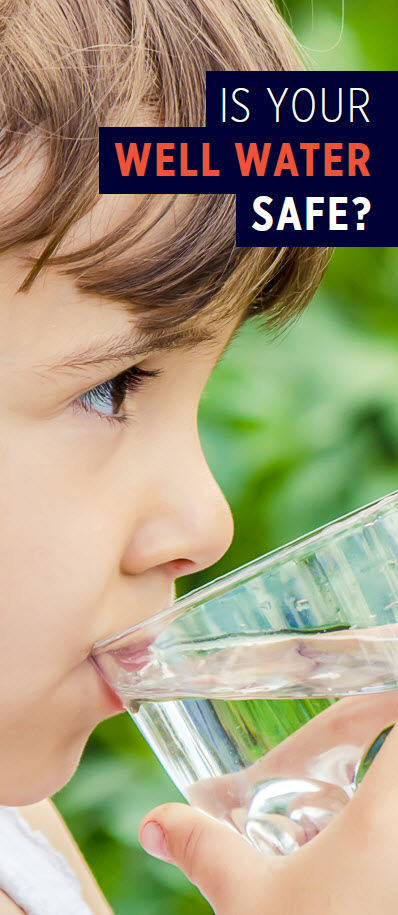
"Is Your Well Water Safe? / ¿El Agua De Su Pozo Es Potable?" brochures will be shipped this month!
As always, we are thrilled with the tremendous response these brochures have received in this most recent ordering window, and that they continue to be helpful in efforts to support well owners across the country. We look forward to each time we get to pack up and ship a new round of orders!
See the PDFs of both versions of the brochure at these links:
|
|
|
|
|
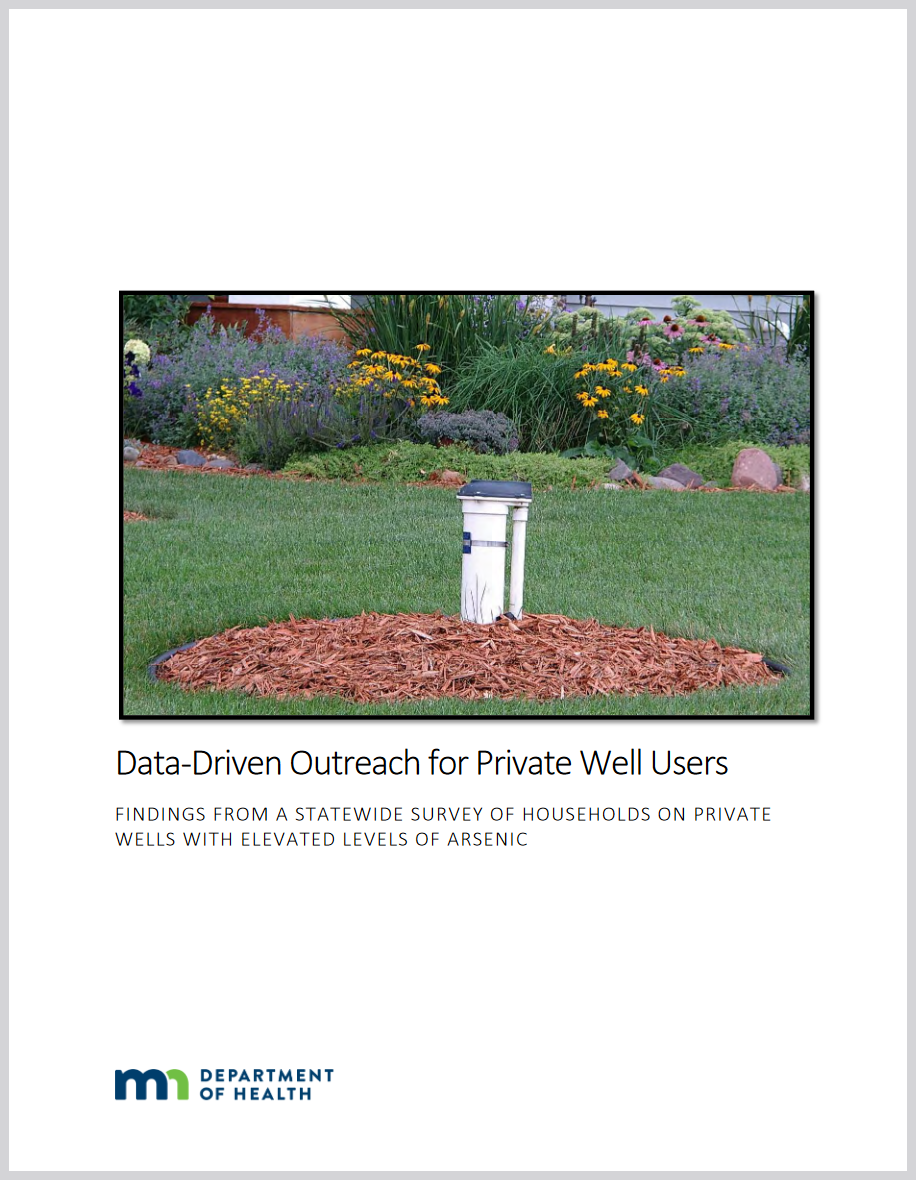
Data-Driven Outreach for Private Well Users
Minnesota Department of Health
This document, from the Minnesota Department of Health, explores a survey sent by the department to Minnesota private well owners with high levels of arsenic in their water. The report summarizes MDH's analysis of the nearly 800 survey responses, which aimed to determine if and how certain variables influenced testing and treatment behaviors.
|
| View the document »
|
|
|
|
|
Featured Videos:
Private Well Conference Recordings, 2017-2022 |
|
|
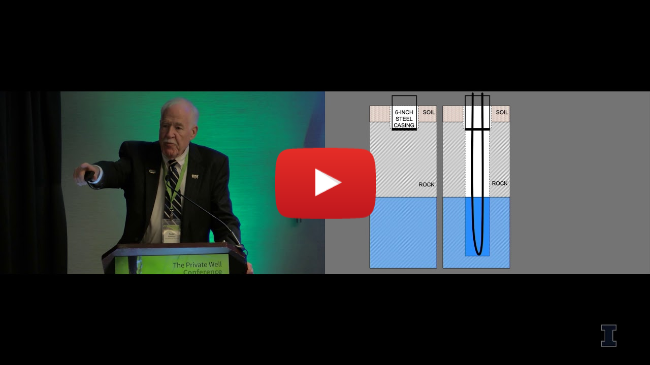
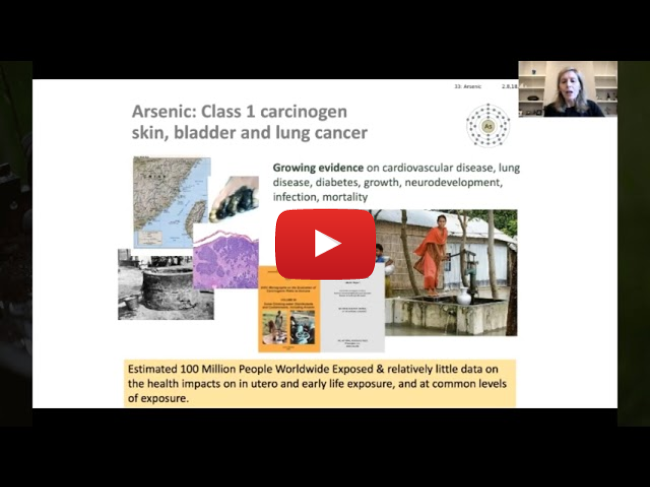
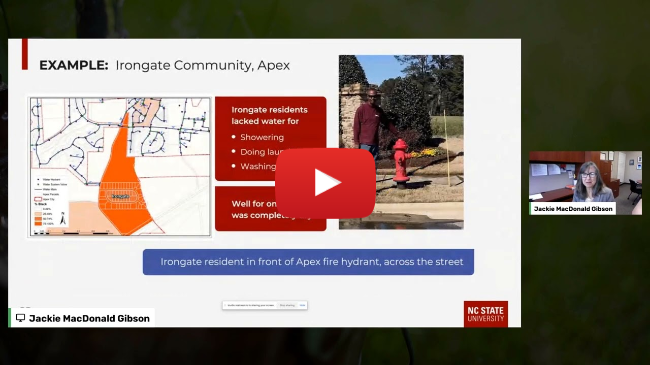
To mark the successful return of our Private Well Conference, we would like to encourage you to check out the conference session recordings from each of our past conferences: 2017 in Champaign-Urbana, 2019 in
Harrisburg, and our virtual 2021 & 2022 events!
A great deal of the information and the science in these presentations remains relevant, up-to-date, and useful. Please let us know if you would like to be connected with any of these past presenters to inquire about any more recent developments.
The video thumbnails and links below will take you to the first presentation of each conference, and the remaining sessions will then autoplay from that year's playlist. You can also navigate to different presentations through the playlist window aside the videos, or visit our YouTube channel directly to explore the videos you would like to see.
You can expect the 2025 conference recordings to be added to our channel later this summer!
|
|
|
|
|
|
|
|
|
PrivateWellClass.org is a free, grant-funded service to support private well owners and the professionals that work with these wells. The program seeks to raise awareness of private well issues and help well owners understand their responsibilities to be a good steward of their well and water source. The Private Well Class, developed at the Illinois State Water Survey at the University of Illinois Urbana-Champaign, is a collaboration with the Rural Community Assistance Partnership with funding from the U. S. Environmental Protection Agency. Call us at 1-866-945-0699 for assistance.
|
|
|
|
|
Visit our other websites:
|
|
|
|
|
|
|
Click here to unsubscribe | Sent to: _t.e.s.t_@example.com
Illinois State Water Survey, 2204 Griffith Drive, Champaign, IL 61820, United States
|
|
|