|
Newsletter #437 - July 7, 2026 |
|
|
|
|
 |
EPA Removes Financial Barriers for Small Community Water Projects
|
|
The U.S. Environmental Protection Agency (EPA) has announced a new initiative to make critical water infrastructure funding more accessible for small and rural communities. Beginning in fiscal years 2026 and 2027, the agency will waive key application fees associated with its Water Infrastructure Finance and Innovation Act (WIFIA) loan program, potentially saving eligible communities nearly $200,000 during the loan application process.
Under the new policy, communities with populations of 25,000 or fewer will no longer be required to pay the $25,000 WIFIA application fee. EPA will also waive the program’s credit processing fee, which currently averages about $156,000 per loan. According to the agency, these costs have often been a significant obstacle for small communities seeking funding for essential drinking water and wastewater projects.
EPA officials say the change is part of a broader effort to support small and rural communities by improving access to clean, safe drinking water and reliable wastewater services. The WIFIA program currently has approximately $11 billion in available financing and can cover up to 80% of eligible project costs, providing long-term, low-cost funding for major water infrastructure improvements.
The WIFIA program, established in 2014, is designed to accelerate investment in the nation’s water systems through flexible federal loans for regionally and nationally significant projects. EPA reports that the program’s active project pipeline is expected to generate billions of dollars in water infrastructure investments while supporting thousands of jobs across the country.
Communities interested in pursuing funding can currently submit letters of interest through the WIFIA program as EPA continues to expand access to these resources.
|
|
|
|
|
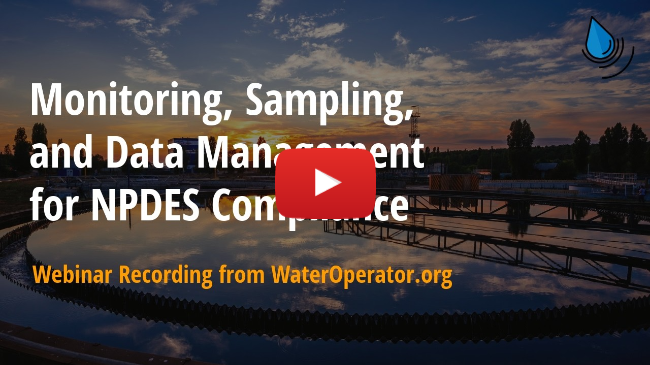 |
Missed our last webinar? Watch the recording! |
|
This webinar, recorded in June 2026, provides a practical overview of wastewater monitoring, sampling, and data management as they relate to National Pollutant Discharge Elimination System (NPDES) permits. It explores common compliance challenges, review best practices for collecting and managing discharge monitoring data, and learn about publicly available resources to support permit compliance. This recording also includes a demonstration of our free search tools at WaterOperator.org to find additional free resources and training events.
This webinar is part of a series that covers topics relevant to wastewater operators, including funding, asset management, compliance, and water quality.
For informational purposes only. We are unable to offer certificates for watching a video recording.
Recordings of our previous webinars:
|
|
|
|
|
Featured Video |
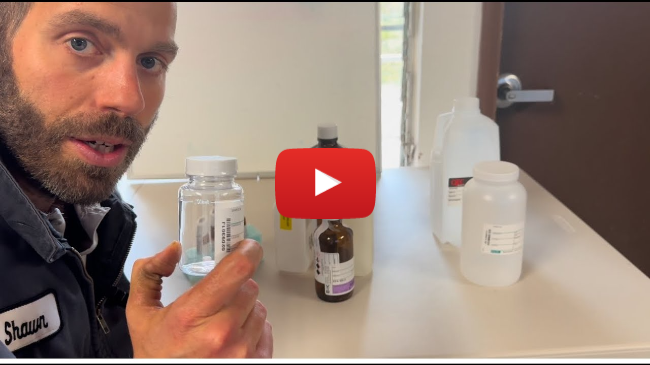 |
Wastewater Sampling Overview: Sample Types, Bottle Types, Labeling, and Chains of Custody
The Wastewater Enthusiast
"Welcome! I am a CA Grade 4 Wastewater Treatment Plant Operator and Chief Plant Operator. I also hold a CA D3 Drinking Water Distribution Operator Certificate and a CA T2 Drinking Water Treatment Plant Operator Certificate.
Today we discuss Wastewater Sampling! We go over grab samples, representative samples, composite samplers, labeling bottles, chains of custody, and discuss the different kinds of bottleware. This info is relevant to all grades and all levels of test takers out there. Like, subscribe, and comment any questions. Enjoy!" |
|
|
|
|
 |
EPA Announces $25 Million to Improve Drinking Water in Small and Rural Communities |
|
The U.S. Environmental Protection Agency (EPA) has announced more than $25 million in grant funding to help small and rural communities improve drinking water infrastructure across the country. The funding is intended to support critical upgrades that enhance access to safe, reliable drinking water while addressing contaminants like PFAS and lead. Many small and rural communities depend on aging water infrastructure and face limited funding options for upgrades. This investment is designed to help ensure safer drinking water, reduce exposure to harmful contaminants, and strengthen public health protections nationwide.
This funding will be administered through the Small, Rural, and Tribal (SmaRT) Drinking Water Assistance Program, the grants will help communities make infrastructure improvements and meet Safe Drinking Water Act requirements. The program was established under the Water Infrastructure Improvements for the Nation (WIIN) Act and provides support to water systems that often face unique financial and operational challenges. Funding will be distributed to states and territories, which will oversee program administration and direct resources to communities most in need. EPA noted in the press release that tribal allocations will be announced separately.
Additional information on the program and state allotments is available through the agency’s SmaRT Drinking Water Assistance Program resource page.
|
|
|
|
|
 |
Tap Talk |
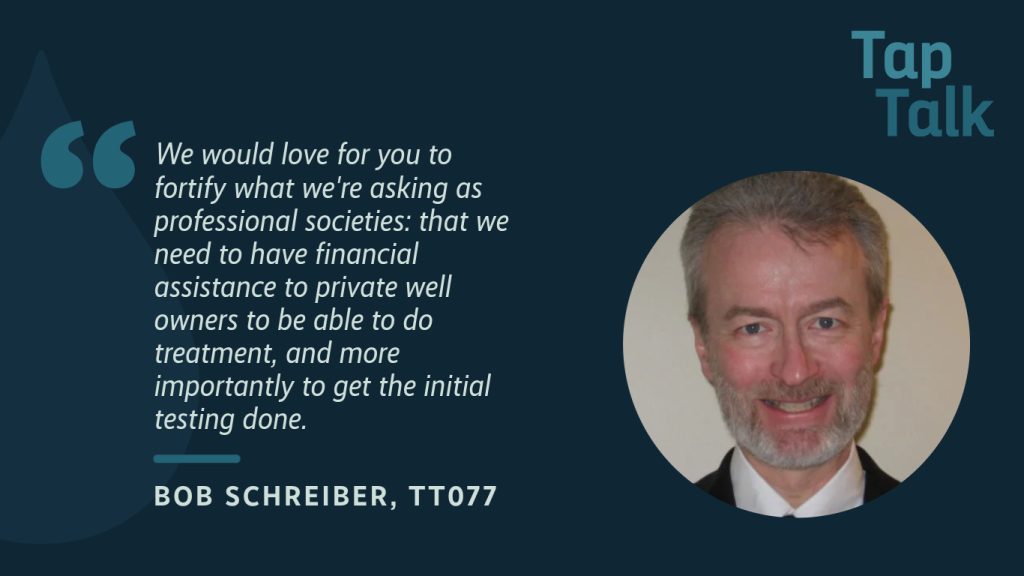
Discussing the History and Impact of the National Ground Water Monitoring Network (Part 2)
This week on Tap Talk we finish our two-part series with Bob Schreiber! In this episode, Bob (a water resources engineer at CDM Smith and long-time National Ground Water Association member) continues to discuss the development and importance of the National Ground Water Monitoring Network with Steve and Jennifer. They also discuss the links between Bob’s advocacy work for both groundwater and bladder cancer awareness, as well as the importance of well testing and the need for greater understanding of the impacts of groundwater contaminants on health outcomes.
|
|
|
|
|
|
|
Featured Video |
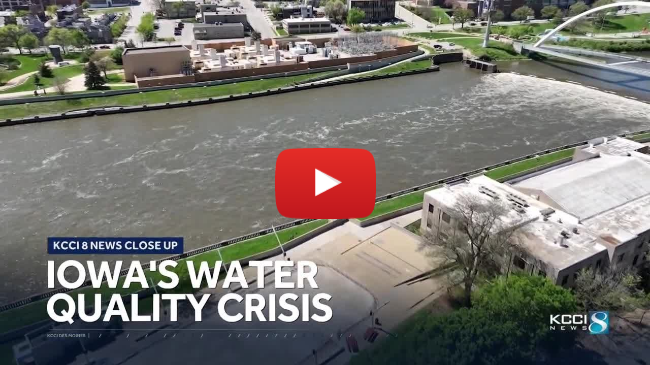 |
Close Up: Iowa waterways scrutinized over nitrate levels
KCCI
"Iowa's summer watering ban has brought attention to high nitrate levels in waterways and efforts to monitor environmental issues statewide.
On this week's Close Up, a summer watering ban in Iowa has highlighted ongoing concerns about high nitrate levels in the state's waterways. Questions have emerged about why nitrate levels are elevated, what actions are being taken to address them, and what the implications are for the state. Plus, a new initiative is focusing on tracking not only water quality but also other environmental concerns across Iowa."
|
|
|
|
|
|
|
|
Enhancing Board Members' Financial Understanding and Decision-Making
July 15, 2026 | 1:00 PM ET
RCAP Solutions, Inc.
This free webinar is designed to educate board members with knowledge and skills needed to effectively oversee the financial operations of their systems. Participants will gain a comprehensive understanding of their roles and responsibilities, with a focus on financial management. Through detailed explanations of common financial reports and guided practice in critical thinking, board members will learn to make informed and responsible decisions.
|
|
|
|
Preparing for a Financial Audit
July 16, 2026 | 11:00 AM ET
Environmental Finance Center Network
This free online training provides board members, clerks, operators, and local officials of small and rural drinking water and wastewater systems with a practical, plain-language guide to preparing for a financial audit. The session focuses on the fundamentals of governmental accounting, understanding financial statements, strengthening internal controls, and avoiding common audit findings.
Participants will learn what auditors look for, how to organize records efficiently, how to maintain capital asset and debt schedules, and how to build financial practices that support long-term sustainability and eligibility for state and federal funding programs, including State Revolving Fund (SRF) loans.
|
|
|
|
Water Efficiency: Infiltration and Inflow (I/I)
July 23, 2026 | 2:00 PM ET
Environmental Finance Center Network
Water efficiency is a critical priority for utilities seeking to optimize their wastewater collection systems and reduce unnecessary operational costs. A major obstacle to achieving this efficiency is Infiltration and Inflow (I/I) — the entry of unwanted non-domestic water into wastewater collection systems through cracked pipes, faulty connections, and stormwater inputs. Left unaddressed, I/I significantly increases the volume of water requiring treatment, strains system capacity, and drives up operational costs for utilities.
This free webinar will examine the causes and consequences of I/I and provide attendees with practical, actionable strategies for detecting and reducing I/I in their systems. By addressing I/I, utilities can improve system performance, extend the life of their infrastructure, conserve resources, and build more sustainable and cost-effective wastewater operations for the communities they serve.
|
|
|
|
|
|
|
|
|
|
|
Recent Blog Posts at WaterOperator.org |
|
|
 |
|
Lagoon Wastewater Systems Practical Tools and Resources for Compliance
Read Here » |
|
|
 |
|
Energy Optimization and Cost‑Saving Strategies for Wastewater Utilities
Read Here »
|
|
|
|
|
|
Groundwater & Well Care for Public Water Systems is a free online course from WaterOperator.org. Certificates are provided and the course is currently pre-approved for 2 hours continuing education credit in a number of states.
Click here to learn more. |
|
|
|
|
|
|
|
|
|
WaterOperator.org is a free service, grant-funded to support small community water and wastewater operators with comprehensive resources and information in one easy-to-use place. We also serve the 800+ training, primacy, and technical service organizations, by helping operators get to their information. We aren't selling or advertising anything. Call us at 1-866-522-2681 for assistance. |
|
|
|
|
|
Visit our other websites: |
|
|
|
|
|
|
|
Click here to unsubscribe | Sent to: _t.e.s.t_@example.com
Illinois State Water Survey, 2204 Griffith Drive, Champaign, IL 61820, United States |
|
|
|
|