|
Newsletter #446 - November 3, 2026 |
|
|
|
|
 |
Complete the GAO Survey of Rural Development Customers |
|
The U.S. Government Accountability Office (GAO) has been asked by members of Congress to review and evaluate USDA's Rural Development's (RD) staffing and funding levels. In order to do this, GAO needs feedback from organizations or individuals who applied for a USDA Rural Development grant, loan, loan guarantee, or helped others to do so since 2022.
GAO will use the results of this survey to examine the impact that changes in RD staffing and funding levels may have had on the services that it provides.
"This survey will not collect your contact information unless you choose to provide it. Identifying information, including your contact information, will not be released outside GAO, unless compelled by law or requested by Congress. The results of this survey will be summarized as part of our audit work and aggregated results may be shared in a report for Congress and made available to the public on our website. While some responses may be used as quotes or illustrative examples in our report, we will exclude any information that could be used to identify individual respondents.
Directions: We estimate that this survey will take 15-30 minutes, depending on how much you’d like to write. Because you will not be able to save the survey and return later, you will need to complete the survey entirely in one sitting. To preview the questions and/or prepare your responses in advance of entering them in here, please click on the following link for a copy of the survey: preview copy of GAO Survey of Rural Development Customers.docx"
If you have any questions about any part of this survey, please contact David Bennett at bennettd@gao.gov or 214-777-5663.
|
|
|
|
|
|
|
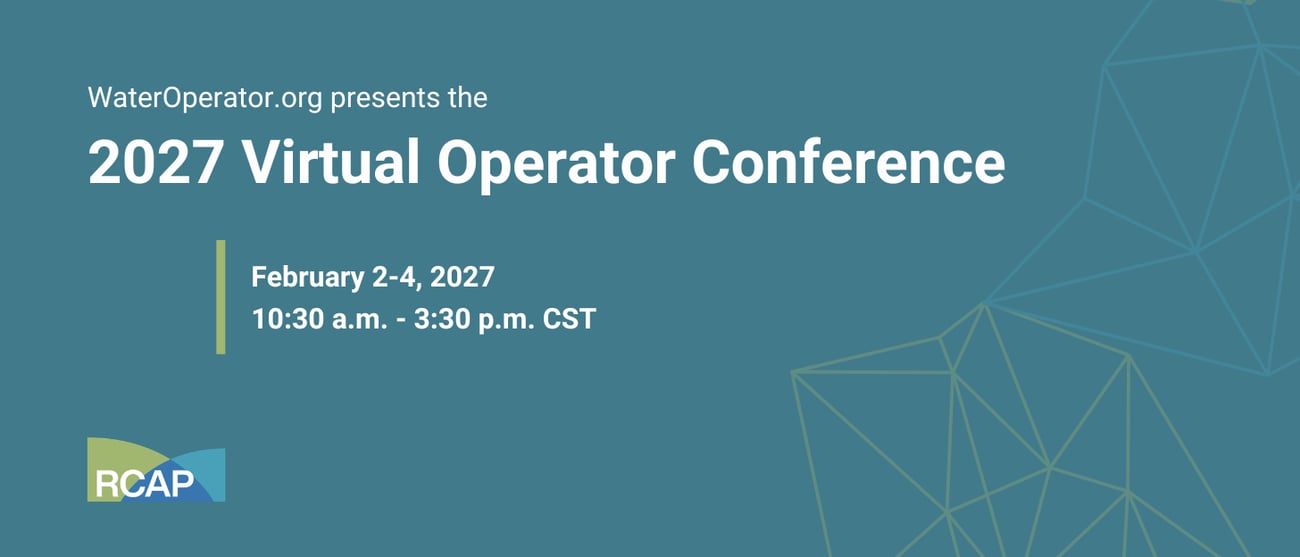 |
Register for our free, virtual conference! |
|
Register for the 2027 Virtual Operator Conference, a free, three-day online training for drinking water operators. The conference will take place February 2-4, 2027 from 10:30 AM to 3:30 PM Central Time each day. Attendees can earn up to 12 hours of CEU credit.
The conference is designed for operators of small and rural systems who may not have the time or budget to travel for training. Every session is taught by a technical assistance provider from the RCAP network: people who work alongside operators every day.
Each day has its own focus:
Tuesday, Feb 2: Foundations.
The Safe Drinking Water Act, chemistry for operators, and two sessions of water math.
Wednesday, Feb 3: Distribution and assets.
Chlorine residuals and coliform sampling, pumps and motors, asset management, and hydrant assessments.
Thursday, Feb 4: Source water and preparedness.
Groundwater, PFAS, emergency response planning, and using data and GIS during emergencies.
CEU Information:
- Currently acceptable in: Alabama, Arizona, California, Idaho, North Carolina, North Dakota, South Carolina, Virginia
- Approval in process for all other jurisdictions
|
|
|
|
|
|
|
Featured Video |
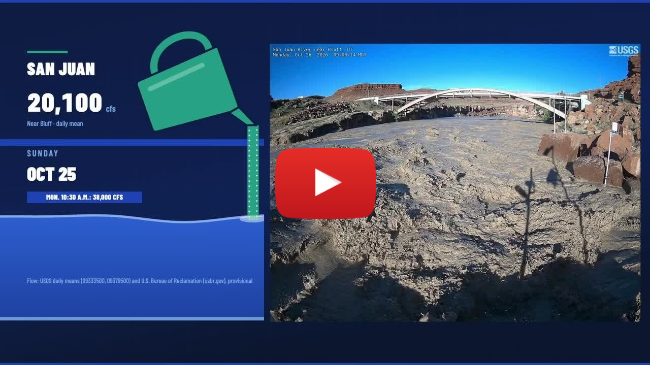 |
Lake Powell rises nearly 10 feet as San Juan River surges to record flows
FOX 13 News Utah
"A month of extraordinary rainfall across southeastern Utah has sent water pouring into Lake Powell, lifting the reservoir's elevation by nearly 10 feet and turning the normally placid San Juan River into a raging torrent."
Read the full article: Southeastern Utah deluge lifts Lake Powell nearly 10 feet | Fox 13
|
|
|
|
|
Listen to RCAP's new podcast |
|
In October, the Rural Community Assistance Partnership launched its podcast, RCAP Voices.
This podcast will share the stories behind infrastructure and community development projects that help to strengthen rural communities across the United States. RCAP Voices will bring conversations with the people behind these projects to the forefront and highlight the importance of teamwork when it comes to creating lasting change.
"We meet people where they are, help them do what they can with what they’ve got, and connect them with resources they didn’t know they had."
|
| Explore Episodes |
|
|
|
|
Featured Video |
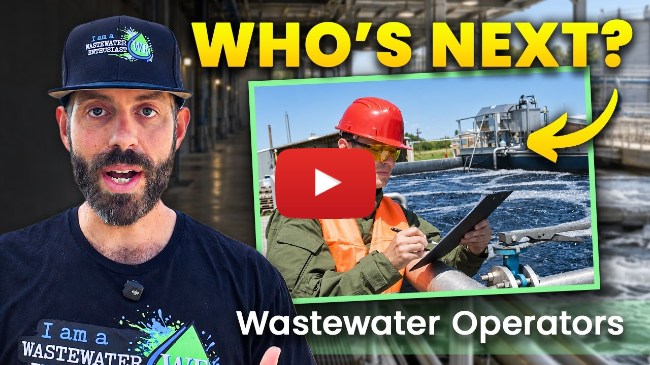 |
The Future of Wastewater Treatment? THIS Operator Got Certified at 18 Years Old
The Wastewater Enthusiast
"Who is the future of wastewater treatment? Meet Ryker Johnson, who was certified at just 18 years old. In this episode of The Wastewater Enthusiast, we look at the next generation of wastewater operators and the experience they’ll need to keep treatment plants running well. What can new operators learn from those already in the field, and how can the industry help them build a lasting career?
If you’re a wastewater treatment plant operator, studying for a certification exam, or considering a career in the industry, this conversation is for you. Share your thoughts in the comments: what advice would you give a new operator?"
|
|
|
|
|
 |
Tap Talk |
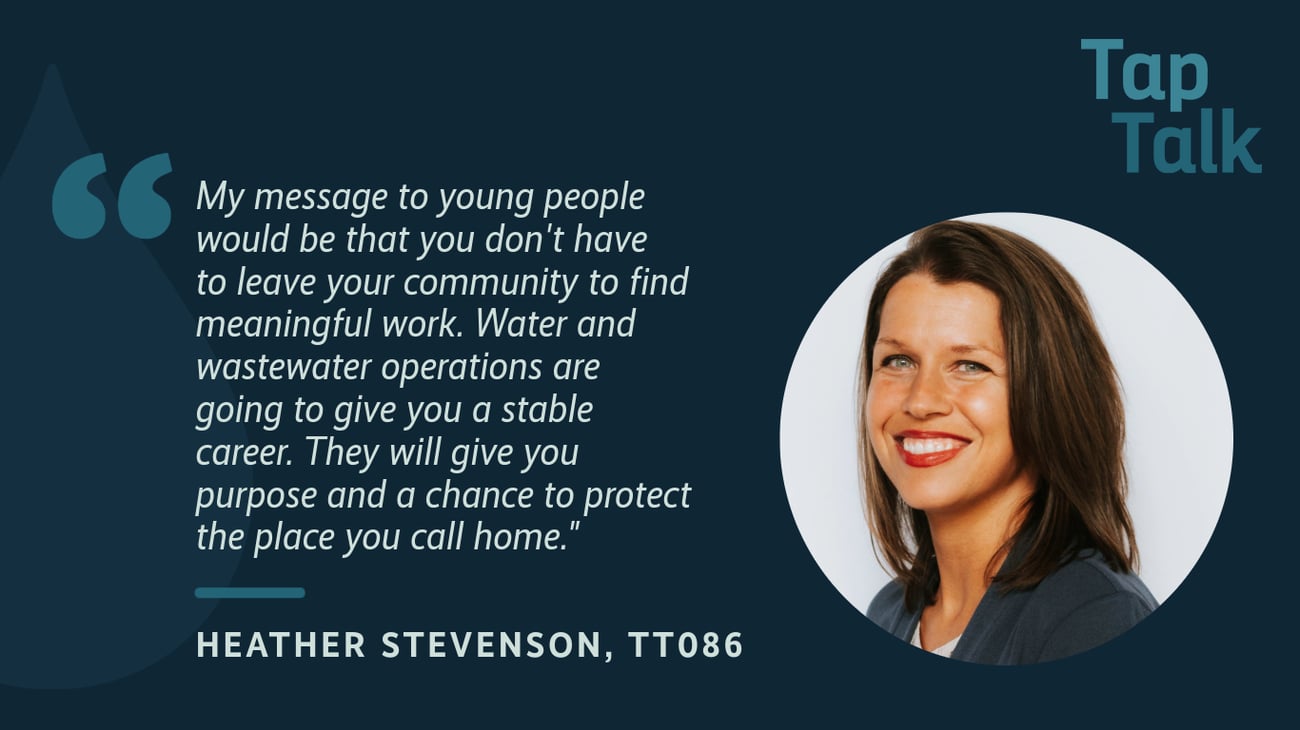
Growing Kentucky’s Water Workforce Through Apprenticeship (Part 1)
This week, our guest is Heather Stevenson, the Director of Workforce Development for the Kentucky Rural Water Association. Kentucky is one of the 35 states that participates in the National Rural Water Association’s apprenticeship program, and Heather has overseen the building of Kentucky’s program and the development of many successful apprentice graduates since 2019. In Part 1 of our conversation, Heather, Steve, and Jennifer discuss the requirements and basics of KRWA’s program, its history, the advantages it offers to the industry, success stories from graduates, and more.
|
|
|
|
|
|
|
Applications close November 6 |
|
If you haven't applied for The Water Equation Scholarships program through the American Water Works Association, applications will close this Friday, November 6, 2026.
The Water Operator Continuing Education Fund supports non-traditional education programs, including trade schools, certification programs, and community college coursework for water operators. To finalize your application, you will need to enter the code WOE.
For questions about specific program eligibility, contact Margo Hatton (mhatton@awwa.org), CFRE – Senior Manager Development and Donor Relations.
|
| Learn More |
|
|
|
|
Featured Video |
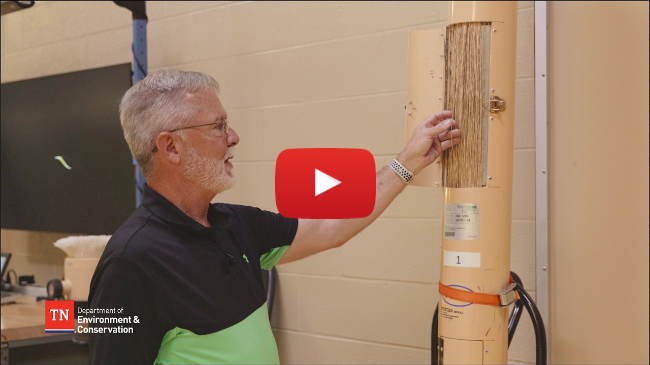 |
How do we get clean water?
TNEnvironment
"Most people never meet the people protecting their drinking water.
But behind every running faucet, every glass of clean water, and every properly treated gallon of wastewater are dedicated professionals working to keep Tennessee's communities safe and healthy.
From monitoring water quality and maintaining aging infrastructure to responding to emergencies, water operators are problem-solvers who show up when their communities need them most. That includes nights, weekends, holidays, and even during extreme weather when keeping water flowing becomes more challenging than ever.
Tennessee has more than 4,000 drinking water and wastewater operators, holding nearly 6,000 licenses to operate and manage our water systems. Their work keeps our taps flowing and our communities thriving."
|
|
|
|
|
|
|
|
Understanding the Dangers of and Treatment Methods for PFAS Chemicals
November 10, 2026 | 1:00 PM ET
Rural Community Assistance Partnership
This free webinar provides a practical overview of per- and polyfluoroalkyl substances (PFAS) and the lessons learned as understanding of these chemicals has developed over time. Participants will examine where PFAS are commonly found and how people may be exposed, the persistence and movement of PFAS in the environment, potential health effects associated with exposure, and the evolution of drinking water guidance and regulation. The Webinar will cover current drinking water requirements and available and emerging treatment, remediation, destruction, and disposal approaches. |
|
|
|
Emergency Drinking Water Supply Planning
November 17, 2026 | 2:00 PM ET
U.S. Environmental Protection Agency
Safe Drinking Water Act (SDWA) section 1433, as revised by America’s Water Infrastructure Act (AWIA) section 2013, requires community water systems (CWSs) serving more than 3,300 people to prepare or revise and certify risk and resilience assessments (RRAs) and emergency response plans (ERPs) to EPA every five years. CWSs serving 3,301–49,999 people must certify their ERP by December 31, 2026. Under SDWA section 1433, ERPs must address the supply of drinking water provided to communities and individuals, including planning alternative water supplies in the event of a disruption.
In this free webinar, EPA will cover the basics of planning for an Emergency Drinking Water Supply (EDWS) to include in your ERP. |
|
|
|
Tabletop Exercise Design Webinar for Drinking Water and Wastewater Utilities
November 18, 2026 | 12:00 PM ET
U.S. Environmental Protection Agency
This free webinar will highlight why tabletop exercises (TTXs) are valuable preparedness tools, share insights from an exercise designer who has used the TTX Tool, and feature a utility that recently participated in a TTX. Bring your questions and comments and learn how to design an effective tabletop exercise. |
|
|
|
Save Money by Applying Energy Management Practices
November 19, 2026 | 2:00 PM ET
Environmental Finance Center Network
This free 1-hour webinar will walk you through starting an energy management program, including the steps to completing an energy audit, what type of data to collect, performing energy calculations, analyzing the outputs using your energy bill and applying that knowledge to your system operations. |
|
|
|
|
|
|
|
|
|
|
Recent Blog Posts at WaterOperator.org |
|
|
 |
|
Build Your Own Cybersecurity Awareness Month Campaign
Read Here » |
|
|
 |
|
Resilience and Emergency Preparedness Resources for Wastewater Utilities
Read Here »
|
|
|
|
|
|
Groundwater & Well Care for Public Water Systems is a free online course from WaterOperator.org. Certificates are provided and the course is currently pre-approved for 2 hours continuing education credit in a number of states.
Click here to learn more. |
|
|
|
|
|
|
|
|
|
WaterOperator.org is a free service, grant-funded to support small community water and wastewater operators with comprehensive resources and information in one easy-to-use place. We also serve the 800+ training, primacy, and technical service organizations, by helping operators get to their information. We aren't selling or advertising anything. Call us at 1-866-522-2681 for assistance. |
|
|
|
|
|
Visit our other websites: |
|
|
|
|
|
|
|
Click here to unsubscribe | Sent to: _t.e.s.t_@example.com
Illinois State Water Survey, 2204 Griffith Drive, Champaign, IL 61820, United States |
|
|
|
|