|
Newsletter #439 - August 5, 2026 |
|
|
|
|
 |
CISA Warns Water Systems of Increased PLC Cyberattacks |
|
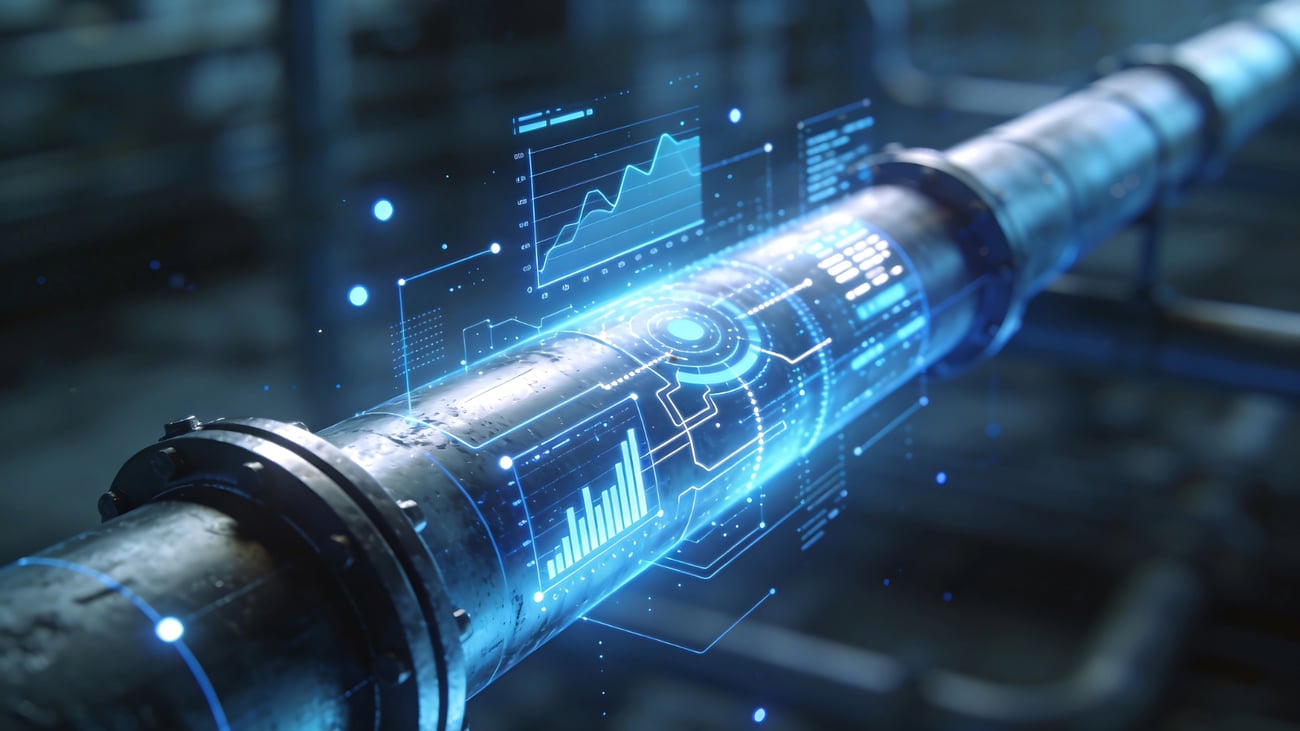
The Cybersecurity and Infrastructure Security Agency (CISA) is warning water and wastewater utilities about a significant rise in cyberattacks targeting internet-exposed programmable logic controllers (PLCs). According to CISA, threat actors have been changing PLC passwords to lock out operators and altering IP addresses to disconnect equipment, leading to operational disruptions, boil water notices, and extended periods of manual system operation.
CISA notes that utilities of all sizes are being targeted, including organizations with mature cybersecurity programs. The agency cautions that undocumented remote connections, such as cellular modems installed by vendors or integrators, may create hidden vulnerabilities.
To reduce risk, CISA recommends immediately removing PLCs and other operational technology (OT) assets from direct internet exposure, enabling strong password protection, replacing default credentials, restricting remote access to approved devices, and maintaining clean backup images of PLC configurations.
Water utilities are encouraged to review their OT network exposure and cybersecurity practices and to report any suspected incidents to CISA or the FBI.
To report a cyber incident, contact CISA’s 24/7 Operations Center (contact@cisa.dhs.gov), or call 1-844-Say-CISA (1-844-729-2472). Please see Reporting a Cyber Incident for more details or contact FBI’s Internet Crime Complaint Center (IC3) or your local FBI field office.
When available, include the following information regarding the incident:
- Date, time, and location of the incident
- Type of activity
- Number of people affected
- Type of equipment used for the activity
- Name of the submitting company or organization, and a designated point of contact
For any additional support, contact the Environmental Protection Agency’s Cybersecurity Technical Assistance Program for the Water Sector or your CISA Regional Office. |
|
|
|
|
|
|
Featured Video |
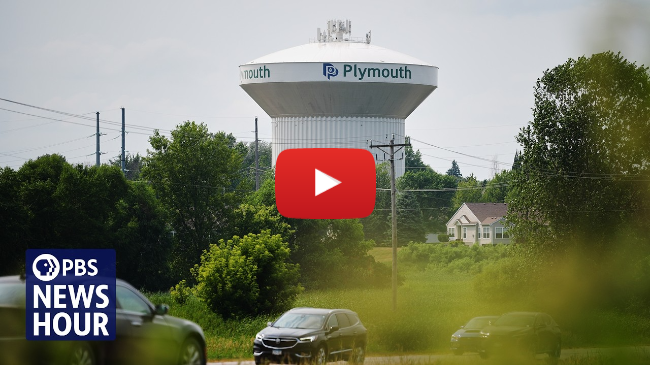 |
What we know about the cyberattacks on water systems in 7 states
PBS NewsHour
"According to the FBI, at least seven states have now been targeted in a growing wave of cyberattacks on critical water infrastructure across the country. Federal officials now reportedly believe Iran is the likely culprit. Liz Landers discussed more with Cynthia Kaiser, a former deputy assistant director of the FBI’s cyber division currently at Halcyon."
Read the full transcript of this interview on PBS News. |
|
|
|
|
 |
Missed our last webinar? Watch the recording! |
|
This webinar, recorded in July 2026, provides a practical overview of communication strategies wastewater utilities can use to support compliance and build public trust. Participants will explore common communication challenges faced by utilities and learn about publicly available resources for improving public communication, notification, and engagement. This recording also includes a demonstration of our free search tools at WaterOperator.org to find additional free resources and training events.
This webinar is part of a series that covers topics relevant to wastewater operators, including funding, asset management, compliance, and water quality.
For informational purposes only. We are unable to offer certificates for watching a video recording.
Recordings of our previous webinars:
|
|
|
|
|
Featured Video |
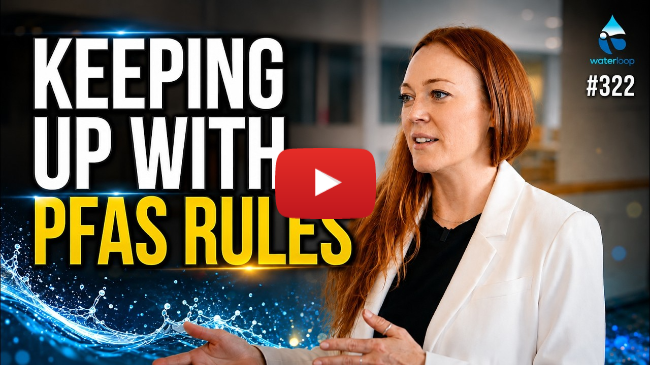 |
Keeping Up With PFAS Rules Is Nearly Impossible
waterloop
"PFAS regulation now has more moving parts, deadlines, and compliance pathways than ever, but the bottom-line advice for water utilities is simple: keep moving.
In this episode, Amanda Canida of Black & Veatch explains how utilities can navigate the regulatory complexity while advancing the treatment projects needed to meet federal drinking water standards. Federal monitoring data indicates that roughly 10 percent of public water systems could be affected by the four-parts-per-trillion limits for PFOA and PFOS. Utilities can pursue cleaner water sources or blend supplies, but many are preparing to install treatment at a central plant or directly at an individual well.
EPA has proposed retaining the PFOA and PFOS limits while restarting the regulatory process for several other PFAS compounds and creating a streamlined exemption pathway for systems that need more time. Once that exemption rule is finalized, utilities would have 180 days to apply and may need interim measures such as temporary treatment, alternate water supplies, source-control planning, or public education.
The challenge is increasingly financial, as construction costs have risen and demand has grown for the equipment and treatment media needed to remove PFAS. Utilities are already slowing other capital projects, shifting money between priorities, and setting aside contingency funds to cover emerging treatment needs. Canida outlines how desktop evaluations and laboratory testing can help systems compare granular activated carbon and ion exchange before committing to longer pilot studies. Utilities must also calculate when treatment needs to be operating—not merely completed—to keep their annual PFAS averages below the federal limit by April 2029.
The path forward is to pursue funding now, prepare customers for difficult decisions, and design treatment systems that can adapt as regulators address more of the thousands of PFAS compounds under review." |
|
|
|
|
 |
AWWA Scholarship Program Applications |
|
Applications for all 2027-2028 scholarships are now open through November 6, 2026!
The Water Equation Scholarships program supports students and operators at the beginning of their work in water. Scholarships are available through AWWA, corporate partners, and the Water Operator Continuing Education Fund.
The Water Operator Continuing Education Fund supports non-traditional education programs, including trade schools, certification programs, and community college coursework for water operators.
-
Applications are accepted on a monthly basis throughout the year.
-
All applications are reviewed by a committee of water sector professionals.
-
Awards are made on a rolling basis throughout the year.
-
Award amount varies by program and course.
-
To finalize your application, you will need to enter the code WOE.
The Water Operator Continuing Education Fund does not fund scholarships for undergraduate, graduate, or PhD programs. To apply for academic scholarships, visit the Water Equation Scholarships webpage. Water Equation offers 23 merit-based science, technology, engineering, and match academic scholarships for higher degrees.
For questions about specific program eligibility, contact Margo Hatton (mhatton@awwa.org), CFRE – Senior Manager Development and Donor Relations.
Learn about more continuing education opportunities and section specific scholarships available through your local AWWA section. |
| Learn More |
|
|
|
|
 |
Tap Talk |
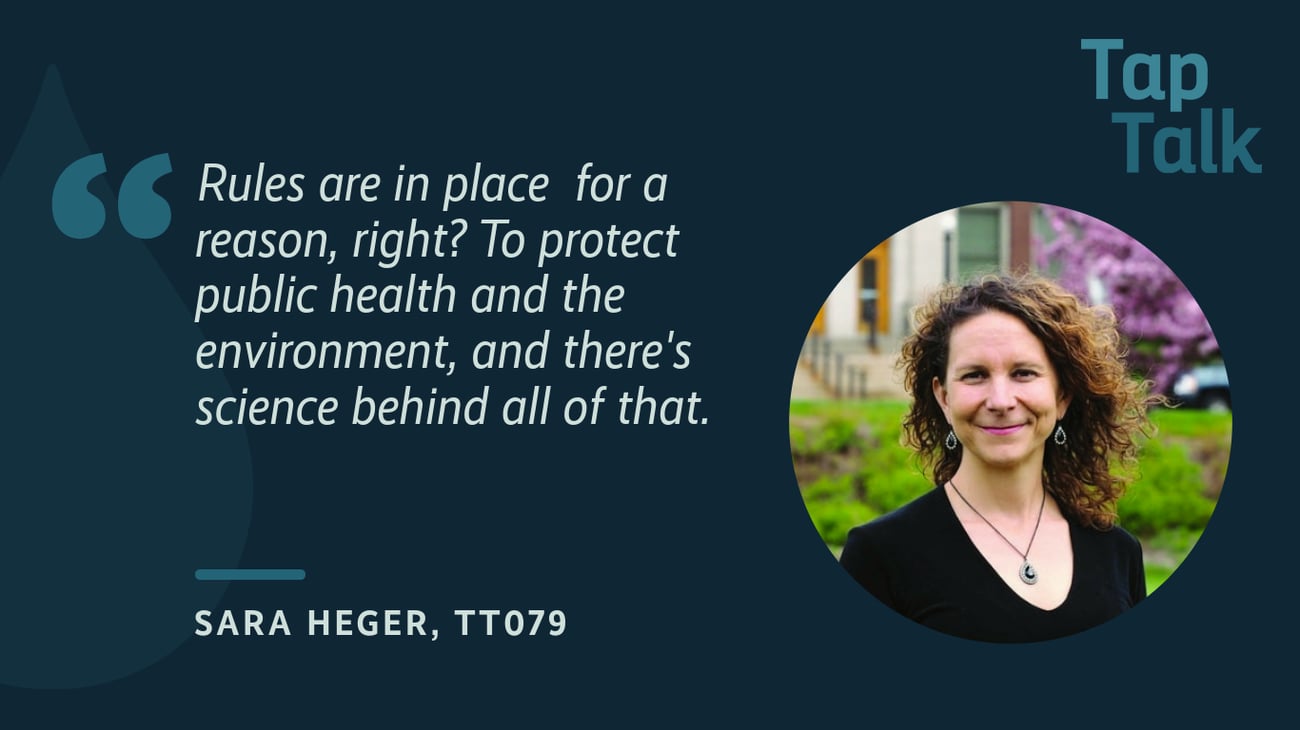
The Septage Catch-22: When Better Maintenance Creates Bigger Problems
The more people maintain their septic systems, the more septage gets generated. But, there’s increasingly no where for it to go. Sara Heger, a decentralized wastewater expert with NOWRA, is back on the show to break down why septage disposal is becoming a bigger headache, what PFAS and other contaminants have to do with it, and what it might actually take to fix this challenge.
|
|
|
|
|
|
|
|
|
|
|
|
Connecting with Your Community: Bridging the Gap Between Operations and Communication
August 6, 2026 | 1:00 PM ET
Environmental Finance Center Network
This free webinar will cover communications with community members, which can be challenging due to staff and time constraints and lack of resources. However, you can engage with your community about your utility in easy, efficient ways. Existing resources, basic understanding of communication techniques, and a little planning can strengthen your communication strategies. This session will build on the basis that an informed community will support the efforts of the utility to continue to provide the necessary service of clean, safe drinking water. |
|
|
|
Cybersecurity 103 Training
August 12, 2026 | 1:00 PM ET
U.S. Environmental Protection Agency
This free training builds on Cybersecurity 102 and provides additional information on threats facing the water sector. Participants will learn about state-sponsored threats, risks to industrial control systems (ICS) and supervisory control and data acquisition (SCADA) systems, malware, vulnerabilities in human-machine interfaces (HMIs), incident reporting, and available cybersecurity resources.
Credits: 1.5 CEU credit
Accepted in: Alabama, Alaska, Arizona, Arkansas, California, Colorado, Connecticut, Delaware, Florida, Hawaii, Idaho, Illinois, Indiana, Iowa, Kansas, Kentucky, Louisiana, Maine, Massachusetts, Michigan, Minnesota, Mississippi, Missouri, Montana, Nebraska, New Hampshire, New Jersey, New Mexico, New York, North Carolina, North Dakota, Oklahoma, Oregon, Pennsylvania, Rhode Island, South Carolina, South Dakota, Tennessee, Texas, Utah, Vermont, Virginia, Washington, West Virginia, Wisconsin, Wyoming
|
|
|
|
Cybersecurity Refresher Training
August 19, 2026 | 1:00 PM ET
U.S. Environmental Protection Agency
This free refresher training for water and wastewater utilities reinforces foundational cybersecurity concepts covered in Cybersecurity 101, 102, and 103.
Credits: 1 CEU credit
Accepted in: Alabama, Alaska, Arizona, Arkansas, California, Colorado, Connecticut, Delaware, Florida, Hawaii, Idaho, Illinois, Indiana, Iowa, Kansas, Kentucky, Louisiana, Maine, Massachusetts, Michigan, Minnesota, Mississippi, Missouri, Montana, Nebraska, New Hampshire, New Jersey, New Mexico, New York, North Carolina, North Dakota, Oklahoma, Oregon, Pennsylvania, Rhode Island, South Carolina, South Dakota, Tennessee, Texas, Utah, Vermont, Virginia, Washington, West Virginia, Wisconsin, Wyoming
|
|
|
|
|
|
|
|
|
|
|
Recent Blog Posts at WaterOperator.org |
|
|
 |
|
Lagoon Wastewater Systems Practical Tools and Resources for Compliance
Read Here » |
|
|
 |
|
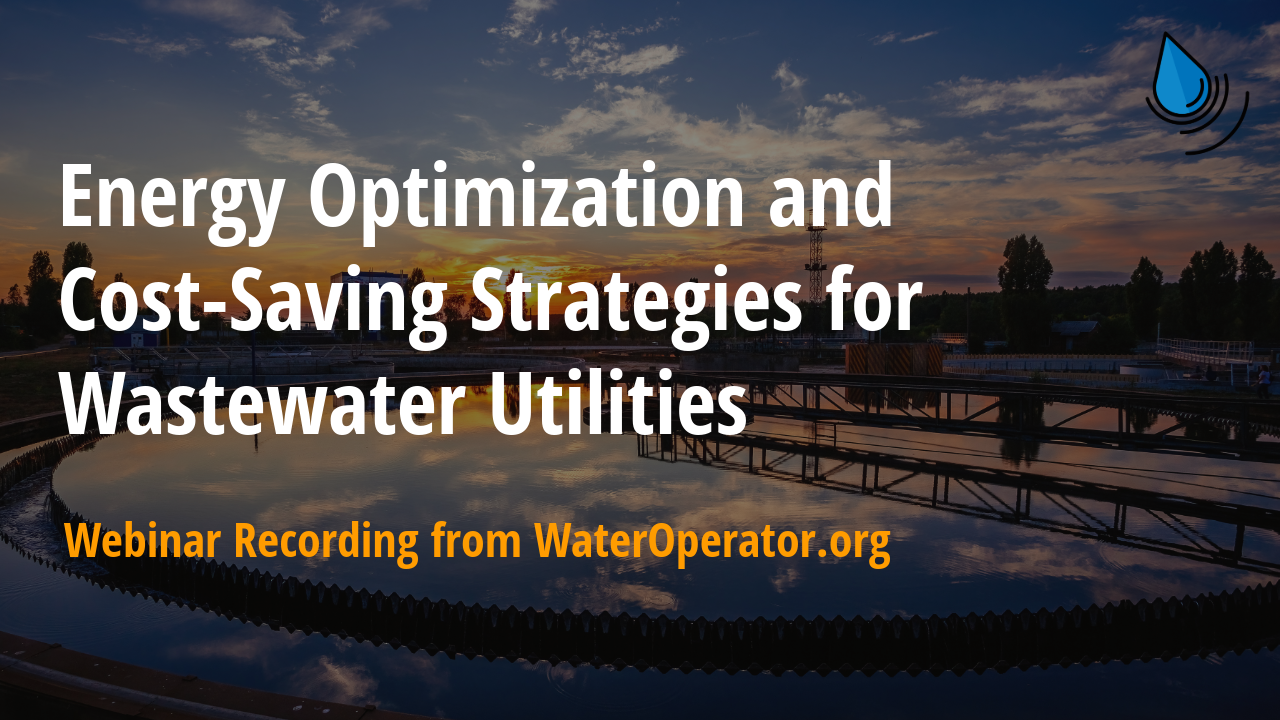
Energy Optimization and Cost‑Saving Strategies for Wastewater Utilities
Read Here »
|
|
|
|
|
|
Groundwater & Well Care for Public Water Systems is a free online course from WaterOperator.org. Certificates are provided and the course is currently pre-approved for 2 hours continuing education credit in a number of states.
Click here to learn more. |
|
|
|
|
|
|
|
|
|
WaterOperator.org is a free service, grant-funded to support small community water and wastewater operators with comprehensive resources and information in one easy-to-use place. We also serve the 800+ training, primacy, and technical service organizations, by helping operators get to their information. We aren't selling or advertising anything. Call us at 1-866-522-2681 for assistance. |
|
|
|
|
|
Visit our other websites: |
|
|
|
|
|
|
|
Click here to unsubscribe | Sent to: _t.e.s.t_@example.com
Illinois State Water Survey, 2204 Griffith Drive, Champaign, IL 61820, United States |
|
|
|
|
|
|