|
Newsletter #109 for January 2025 |
|
|
|
|
Announcing the 2025 National Private Well Conference
|
|
|
|
The Private Well Conference is returning in 2025 as an in-person event, due to take place Tuesday, May 20 – Thursday, May 22, 2025, in Bloomington-Normal, Illinois! It will be held at the Bloomington-Normal Marriott Hotel & Conference Center.
This conference is specifically for practitioners, providing information and insights that can be taken home and used locally with the well owners they serve. Most of the work providing outreach and education to well owners is done locally and this conference is geared to support the thousands of professionals who work with well owners every day, including health department staff, lab personnel, cooperative extension educators, well drillers, environmental health professionals, researchers, and other private well stakeholders. |
|
|
|
Our Call for Abstracts is currently open. Submit yours here! »
Please stay tuned for more details in the coming weeks. The agenda is still being set, but will include presentations by experts from around the country with practical advice on understanding and solving today’s well owner issues. In the meantime, if you missed any of our past in-person or virtual Private Well Conferences, all of the presentations were recorded and are freely available to view here. These presentations, by private well experts from around the country, provide valuable advice and tools you can use to support well owners in your jurisdictions.
|
|
|
|
Virtual Legionella Workshop on January 22
|
|
|
 |
|
Together with the New York State Department of Health and the Southern Nevada Health District, the Private Well Class is hosting a one-day virtual workshop to present study results related to Legionella in home water systems. Speakers from the host organizations, as well as the New Jersey Department of Health, will highlight home sampling initiatives, single case investigations, travel-related single cases, the regulatory framework and research efforts in New York State, and efforts to evaluate the occurrence of Legionella in homes on private wells. The goal of the workshop is to share advances in Legionella testing and occurrence with practitioners and researchers related to results and challenges.
Date and Time: Wednesday, January 22, 2025, 10:00 am - 2:00 pm CDT |
| Register here » |
|
|
|
NEHA's Private Water Network Upcoming Open Forum |
 |
|
The National Environmental Health Association's Private Water Network is planning its Inaugural Open Forum, scheduled for Thursday, March 13, 2025, from 2:00 - 3:30 pm EST. (Don't forget, that's during National Groundwater Awareness Week!) Register for the online forum here »
During preparation for the event, PWN is seeking responses from environmental public health professionals to a SWOT analysis of private water and/or onsite wastewater programs. (SWOT = Strengths, Weaknesses, Opportunities, and Threats.) Completing the survey will take 10-15 minutes and help PWN in better understanding the needs of the field! Find the survey here »
|
|
|
|
Tap Talk — Bringing Water to All With Water Well Wish |
 |
|
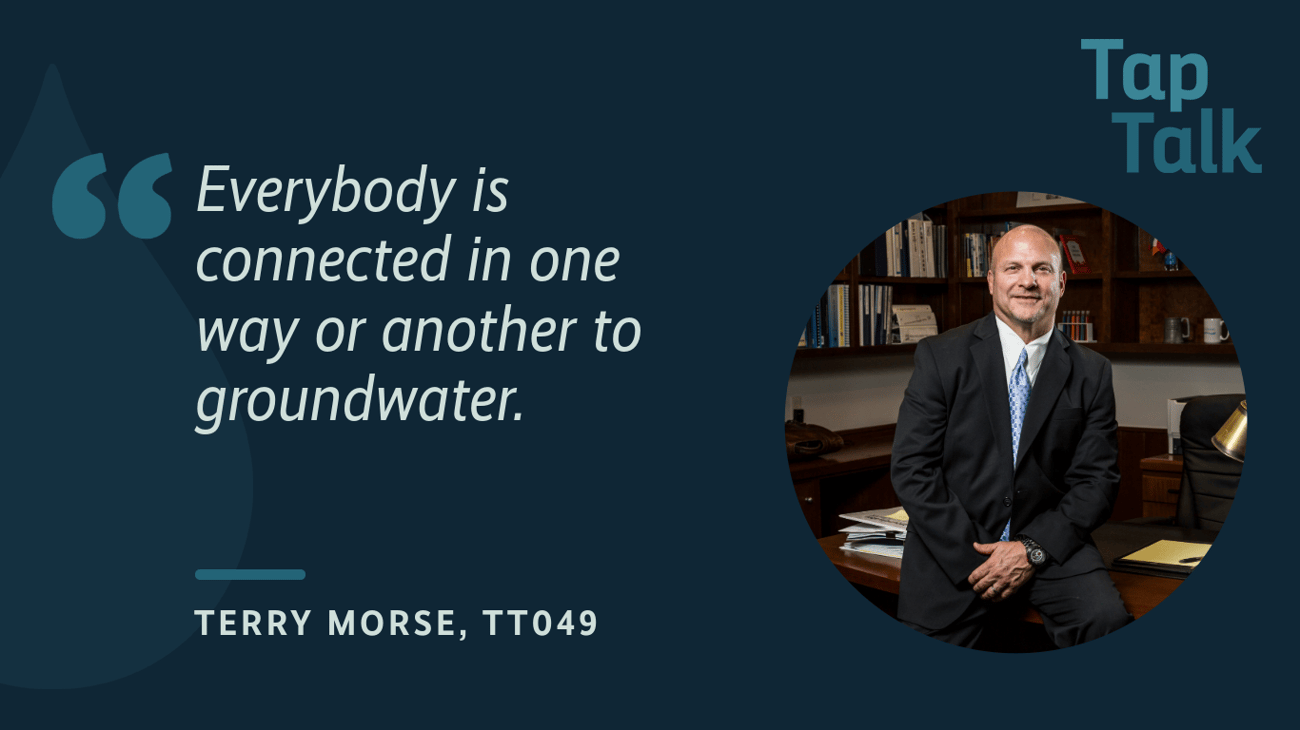
In today's premiere episode of the fifth season of Tap Talk, Steve and Jennifer welcome Terry Morse to the show. Terry is the CEO of the National Ground Water Association, as well as its charitable arm, The Groundwater Foundation. Last year, the foundation launched Water Well Wish, an endeavor to make sure that every American has access to clean, safe water by funding the construction of wells for families in need. Steve, Jennifer, and Terry discuss the success of Water Well Wish and the commitment of the groundwater industry to bringing water to everyone who needs it.
Listen here. »
|
|
|
From the Help Center |
|
|
|
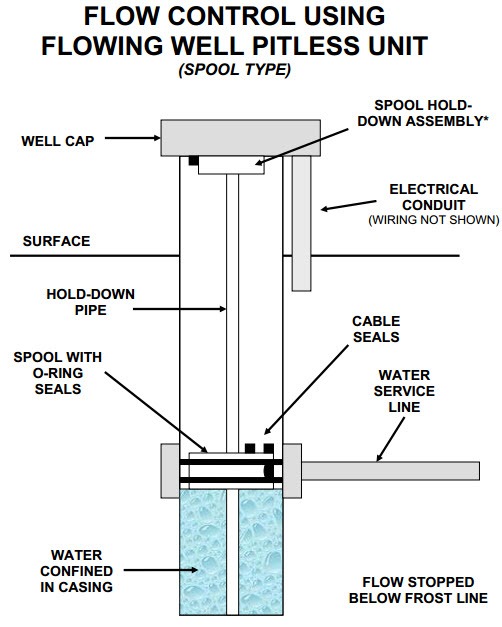
What is a pitless adapter, and why do I need to upgrade from a well pit?
One upgrade for well systems that can greatly improve their function throughout the winter season is switching from a well pit to a pitless adapter. Pitless adapters are frost-free connectors between the distribution line and the drop pipe of submersible pumps that improve safety, hygiene, and maintenance.
Read this article to learn more. For additional articles and resources for private well owners, explore our Private Well Help Center.
|
|
|
|
|
Upcoming Webinars & Recent Recordings
|
|
|
|
What Environmental Health Professionals
Need to Know about Wells
January 30, 2025 | 1 PM CT
Hosted by PrivateWellClass.org
This free webinar will provide an introduction to groundwater, well construction, water quality, and well care best practices for environmental health professionals and others who serve well owners. The webinar will be recorded. NEHA CE credits are available for those who attend live.
Register »
We'd love your support in distributing this information, please feel free to share this link. |
|
|
|
How to Find Local Information and Help
February 18, 2025 | 1 PM CT
Hosted by PrivateWellClass.org
This free webinar will explain methods for finding well logs, records, and information about your well, how to find well drillers, contractors, and financial help programs in your area, and when to sample, what to sample for, and best practices to protect your well system.
Register »
We'd love your support in distributing this information, please feel free to share this link.
|
|
|
|
Is My Water Safe to Drink?
Common Questions about Private Wells Recording
Recorded on December 19, 2024
This webinar recording discusses how water moves through the ground to your well and how well construction can increase contamination vulnerability.
Watch Recording »
|
|
|
|
Well Care 101 -
What You Need to Know to Protect Your Family
Recorded on November 21, 2024
This webinar recording details how to determine if your water is safe for drinking, simple best practices for well maintenance, and solutions to the most common well problems.
Watch Recording » |
|
|
|
|
|
Toxic ‘Forever Chemicals’ Taint Rural California Drinking Water, Far From Known Sources
KFF Health News
A new facet of California's water crisis is emerging: PFAS contamination found in private wells and water systems located far from any known sources of PFAS pollution. KFF Health News investigates the possible causes of this rural pollution and the potential health impacts on the water's consumers.
Read here.
|
|
|
|
|
Partner Events & Workshops |
|
|
|
Septic Maintenance, Connecting to Sewer, & Wells:
Silver Springs Shores
January 8 | 10 am ET | Ocala, FL
Hosted by University of Florida IFAS Extension
In this class, Silver Springs Shores residents will learn about septic systems, wells, and septic-to-sewer as they pertain to the community. Representatives from UF/IFAS Extension, Marion County, and the Florida Department of Health in Marion County will be available to answer questions.
Register here. |
|
|
|
Indiana Private Well Testing, Regulations and More
January 14 | 10:00 am ET | Anderson, IN
Hosted by the Great Lakes Community Action Partnership
This workshop for professionals will focus on types of testing and its importance to public health with examples of current regulations, recommendations, and strong private well programs.
Register here. |
|
|
|
Best Ways to Protect Your Septic System and Save Money
January 15 | 11 am ET | Online
Hosted by University of Maryland Extension
A septic system is the most expensive appliance or system in a home! There are several practices you can do to help your system work effectively, last longer, and therefore save you money. The webinar will discuss these practices.
Register here.
|
|
|
|
Don’t Be Scared…Be Prepared; Climate Change, Resiliency, and Private Wells
January 21 | 11:00 am CT | Online
Hosted by Communities Unlimited
Join other Private Well Owners, Well Professionals, and/or Stakeholders and Technical Assistance Providers for this webinar, which will focus on how private wells can be impacted by climate change, provide information on how to prepare for your well for severe weather events, and the different ways to still utilize your well.
Register here. |
|
|
|
Environmentally Sensitive Areas on the Farm: Private Water
January 22 | 12:00 pm ET | Online
Hosted by Penn State Extension
Proper inspection and maintenance of well and spring systems are vital for protecting your family’s health and maintaining the integrity of your agricultural operations. Efficiently functioning water systems safeguard your property from potential contamination while preserving the quality of shared groundwater resources essential for farming and the broader ecosystem. Routine upkeep not only helps prevent costly repairs but also supports sustainable water use, ensuring these critical resources remain viable for future generations. Join the webinar to learn how to assess this critical area of agricultural conservation.
Register here. |
|
|
|
Temperature Influences on Seasonal-Use Wells
February 4 | 6:00 pm ET | Online
Hosted by the Great Lakes Community Action Partnership
Many homeowners have seasonal or dual residences. It is important for those owning private wells to consider health and safety issues upon their return after an extended period of time. These seasonal-use wells can be greatly influenced by temperature and other impacts. Information is provided at this webinar for preparing to leave, and more importantly, what should be done when returning to ensure safe drinking water. These steps will help you remain safe from issues that can lead to illness or even hospitalization.
Register here. |
|
|
|
|
New Webpage for Local Governments and Private Wells Available from Minnesota Department of Health |
|
|
|
The Minnesota Department of Health has established a webpage called “Local Government as Well Partners” which highlights actions local governments can take to help protect private well users’ health. The webpage includes a report called “Private Wells in Rental Properties and at Property Transfers: An Overview of State and Local Regulations.” (Featured below). The results of this nationwide and statewide scan, completed in 2022, demonstrate a regulatory gap in ensuring safe drinking water for tenants renting a property that relies on a private well. Local ordinances about well water at rental properties and property transfer could play a key role in advancing health equity for private well users.
See the new webpage here. » |
|
|
|
|
|
Private Wells in Rental Properties and at
Property Transfers: An Overview of State and
Local Regulations
Minnesota Department of Health
This report, from the Minnesota Department of Health, serves as a reference for local governments on the subject of private wells on rental properties/property transfers by providing insight into current regulations and offering ideas on potential language and approaches for ordinances aimed at enhancing safe drinking water access for private well users within communities.
View the document. »
|
|
|
|
|
Featured Video: Is Coliform Bacteria Common in Well Water?
|
 |
|
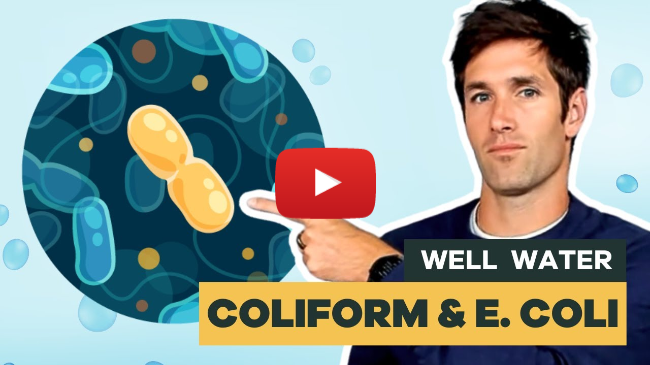
This video, brought to you by Tap Score, helps viewers find out why coliform bacteria are often found in well water and what it means for water safety. These bacteria can signal potential problems with wells, like cracks that let in harmful contaminants such as pesticides and nitrates. Learn the importance of regular water testing to keep drinking water safe and clean by identifying and addressing issues early.
Watch the video.
|
|
|
|
|
|
|
|
PrivateWellClass.org is a free, grant-funded service to support private well owners and the professionals that work with these wells. The program seeks to raise awareness of private well issues and help well owners understand their responsibilities to be a good steward of their well and water source. The Private Well Class, developed at the Illinois State Water Survey at the University of Illinois Urbana-Champaign, is a collaboration with the Rural Community Assistance Partnership with funding from the U. S. Environmental Protection Agency. Call us at 1-866-945-0699 for assistance. |
|
|
|
|
|
Visit our other websites: |
|
|
|
|
|
|
|
Click here to unsubscribe | Sent to: _t.e.s.t_@example.com
Illinois State Water Survey, 2204 Griffith Drive, Champaign, IL 61820, United States |
|
|